
Imagine a place where tech innovation meets seamless collaboration, giving teams the power to code with just a few taps. This isn’t a far-off reality—it’s here, thanks to Slack’s latest feature that reimagines how coding teams work together.
Key Takeaways
- Slack introduces dedicated channels for collaborative coding with AI agents.
- These channels streamline project discussions and coding practices in one place.
- Users can leverage AI agents for coding tasks like feature development and bug fixes.
- Real-time change comparisons and HTML previews enhance coding efficiency.
- This advancement paves the way for a more integrated approach to coding in workplace settings.
Revolutionizing Teamwork with AI
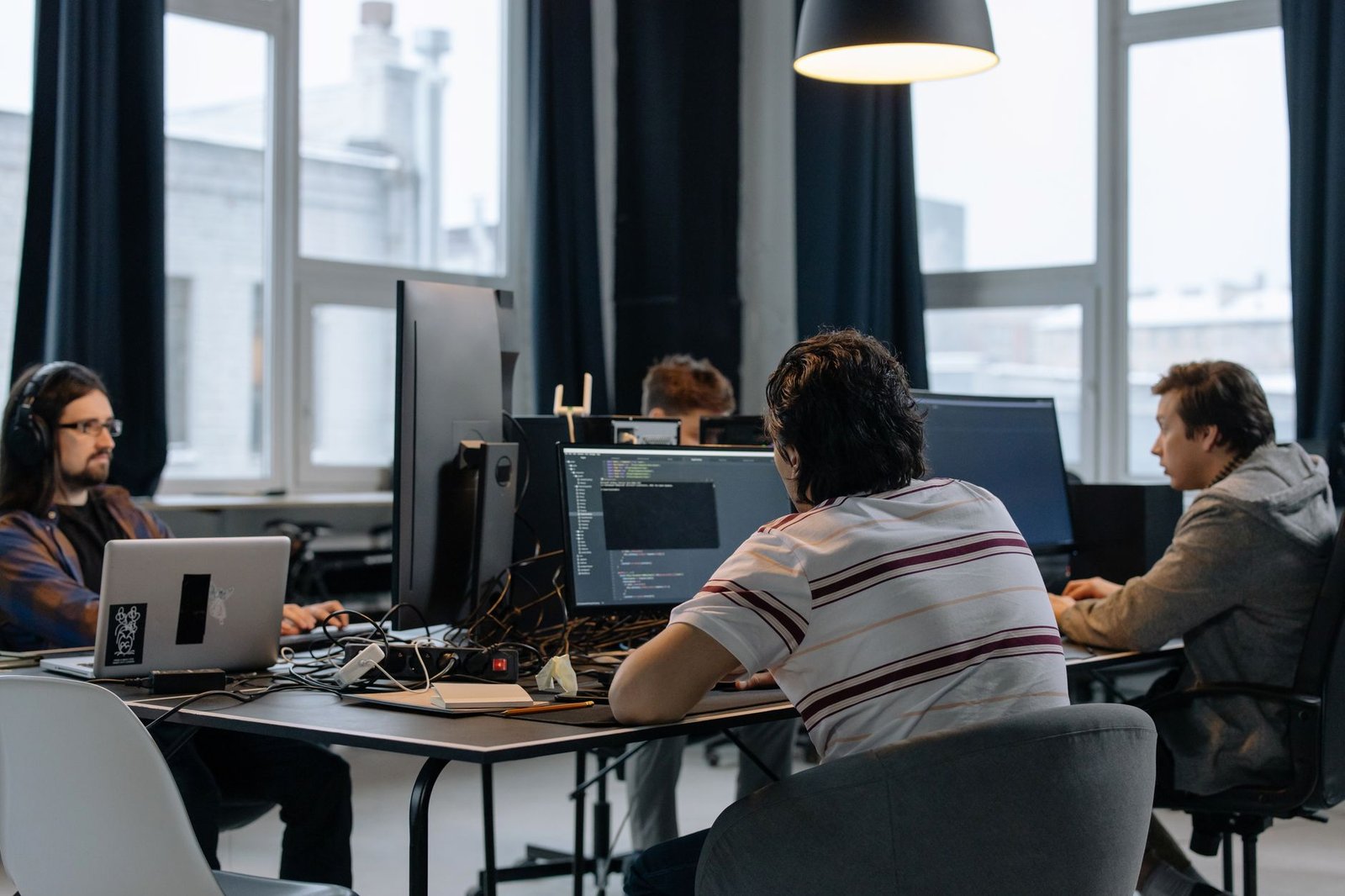
In a bold move, Slack is unveiling a suite of collaborative coding channels designed to foster a new way of working for development teams. Known as Slack Code, this feature eliminates the need to juggle multiple platforms. Here, software teams can engage in what they call “vibe-coding.” This term encapsulates real-time problem-solving within a social work environment, enhanced by AI.
How Does Slack Code Work?
Imagine embarking on a project to build a new website feature. Traditionally, this would involve multiple tools: a platform for coding, another for communication, and perhaps a third for project management. Slack Code simplifies this by allowing you to create project-specific channels within Slack. Users can tag AI agents like Anthropic’s Claude or Cognition’s Devin. These agents then automatically generate a dedicated channel where all specific tasks related to the coding project happen.
The Role of AI Agents
The integration of AI agents means that, much like having a knowledgeable assistant, the AI takes over repetitive tasks. These agents help orchestrate the coding process, from initializing a code channel to managing minor adjustments on the spot. Watching over the process are tools that provide real-time comparisons of code changes. Developers can now see side-by-side versions to ensure that their updates are on track before anything gets implemented.
Bridging Technical Gaps
What’s remarkable is how these channels democratize the coding experience. Even if you’re not a coding expert, the intuitive setup allows participation. Think of it like a digital kitchen where chefs (coders) and enthusiasts (team members) can gather, brainstorm, and cook (code) together. Everyone contributes, whether with ideas, critiques, or solutions.
Real-World Example: Building a Mobile App Feature
Consider a startup aiming to enhance their mobile app with a new feature. The app development team can initiate a Slack Code channel, tag the AI agent, and start brainstorming. As ideas flow, the AI ensures that coding practices remain consistent and on-task, while the team focuses on creativity and innovation. HTML outputs can be previewed before anything goes live, reducing the risk of unexpected errors. This approach drastically reduces turnaround time while boosting team coherence.
The Future of Coding Collaboration
Slack Code represents a significant stride towards a future where AI-driven teamwork is the norm rather than the exception. By streamlining the collaboration process, this tool doesn’t just make coding more accessible; it fundamentally reshapes workplace dynamics. In a world where teams are increasingly distributed and remote, having a unified platform that bridges communication and technical gaps is invaluable.
As AI continues to evolve, expect these tools to go beyond just assisting. Imagine AI agents learning team styles, suggesting creative solutions, and perpetually optimizing workflows. The promise Slack Code brings is an enduring glimpse into what the synthesis of AI and human collaboration can achieve, laying the groundwork for a more integrated and efficient working world.
