



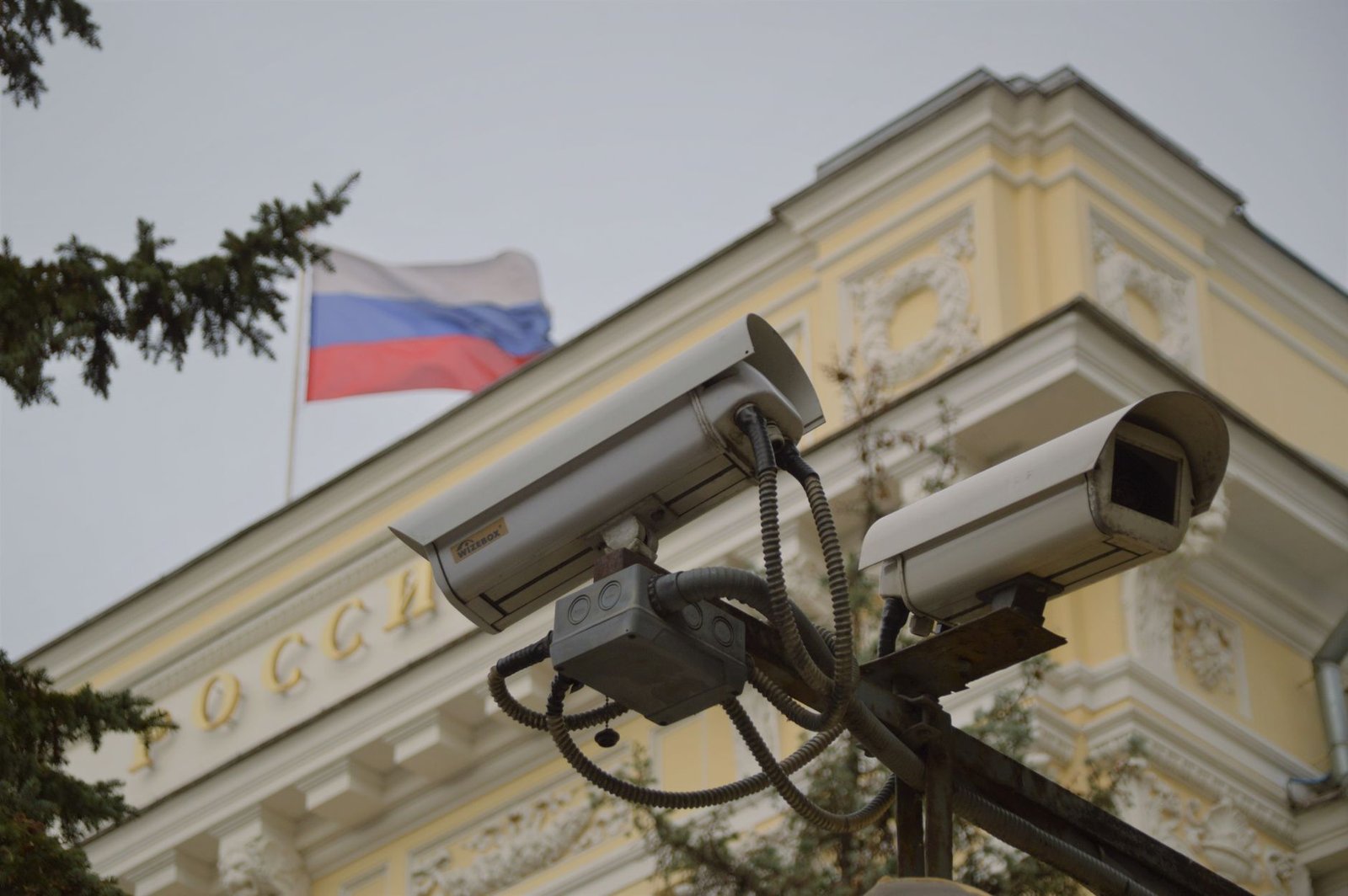
Imagine a future where technology ensures transparency and trust in government operations. However, what happens when tech promises surpass current capabilities? This scenario is unfolding as some states push for immigration agents to reveal their identities, and the federal government pushes back.
Key Takeaways
- States are advocating for federal immigration agents to unmask during operations.
- The Trump Administration argues such measures could threaten agent safety.
- Face-recognition technology, though advancing, is currently overestimated regarding its abilities.
- Privacy implications and accuracy challenges are significant concerns with AI technology.
The Unveiling of Faces: A Push for Accountability
The debate over whether **Immigration and Customs Enforcement (ICE)** agents should be required to show their faces during operations spotlights a larger issue of accountability versus safety. Some state legislators argue that visible identities would enhance transparency and rebuild public trust. However, the Trump Administration maintains that exposing agents could compromise their safety, mainly because such identification could be facilitated by modern facial recognition technology.
Face Recognition: A Double-Edged Sword
Face recognition involves using **AI** to scan, analyze, and identify individuals based on their facial features. While this sounds like a scene from a futuristic movie, in reality, the technology still faces accuracy issues and privacy concerns. The idea is that if ICE agents’ faces were constantly available, it could endanger not only their privacy but their personal safety.
However, many argue that current face recognition systems are not foolproof. In fact, a recent art project attempted to highlight these weaknesses by claiming to identify ICE agents in public. The project’s ineffectiveness underscores the technology’s current limitations.
Understanding the Technology
Facial recognition systems work by comparing captured images with those from a database to find a match. But, factors like lighting, angles, and even facial expressions can lead to poor matches, especially in a diverse population. For example, an individual who smiles in one photo but not in another might not even be recognized as the same person.
An Analogy: The Keyhole View
Consider looking through a small keyhole on a grand landscape painting. You can describe parts of it, but it’s easy to misinterpret the whole picture. Similarly, facial recognition systems can view individual facial features but stitching them together into an accurate, whole “landscape view” remains a technological hurdle.
The Safety-Privacy Nexus
The crux of the matter lies in balancing safety concerns with the push for transparency and accountability. From a governmental perspective, the priority is protecting personnel. From a civic standpoint, understanding who enforces the law is critical. With technologies that normally empower the public now being deployed in ways that could potentially threaten personal safety, it’s a delicate balance.
The Road Ahead: AI’s Future in Law Enforcement
Looking forward, the role of AI in law enforcement will likely expand, but not without continuous scrutiny. New methods to improve the accuracy of **face-recognition systems** will eventually emerge, enhancing their reliability. As legislation grapples with these evolving technologies and ethical concerns, it becomes essential to develop AI solutions that support both public safety and individual privacy.
Advancements in AI hold immense potential to reform not just law enforcement, but numerous facets of daily life. Still, as we tread forward, fostering a dialogue between policymakers, developers, and society will be key in navigating AI’s transformative impact responsibly.
