



Usually associated with innovation, Tesla is currently making headlines for an unexpected reason: a massive recall. This situation highlights a critical aspect of AI-driven vehicles and underscores the need for continuous enhancement in technology.
Key Takeaways
- Tesla recalls approximately 3 million vehicles due to issues with **door handles** and cameras.
- Many fixes involve **over-the-air updates**, illustrating the convenience and limitations of software solutions.
- Physical modifications, such as warning stickers, are necessary to address some concerns.
- This recall emphasizes the challenges of **integrating physical components** with AI systems.
- The incident pushes automakers to think more holistically about **AI system updates**.
The Mechanics Behind the Recall
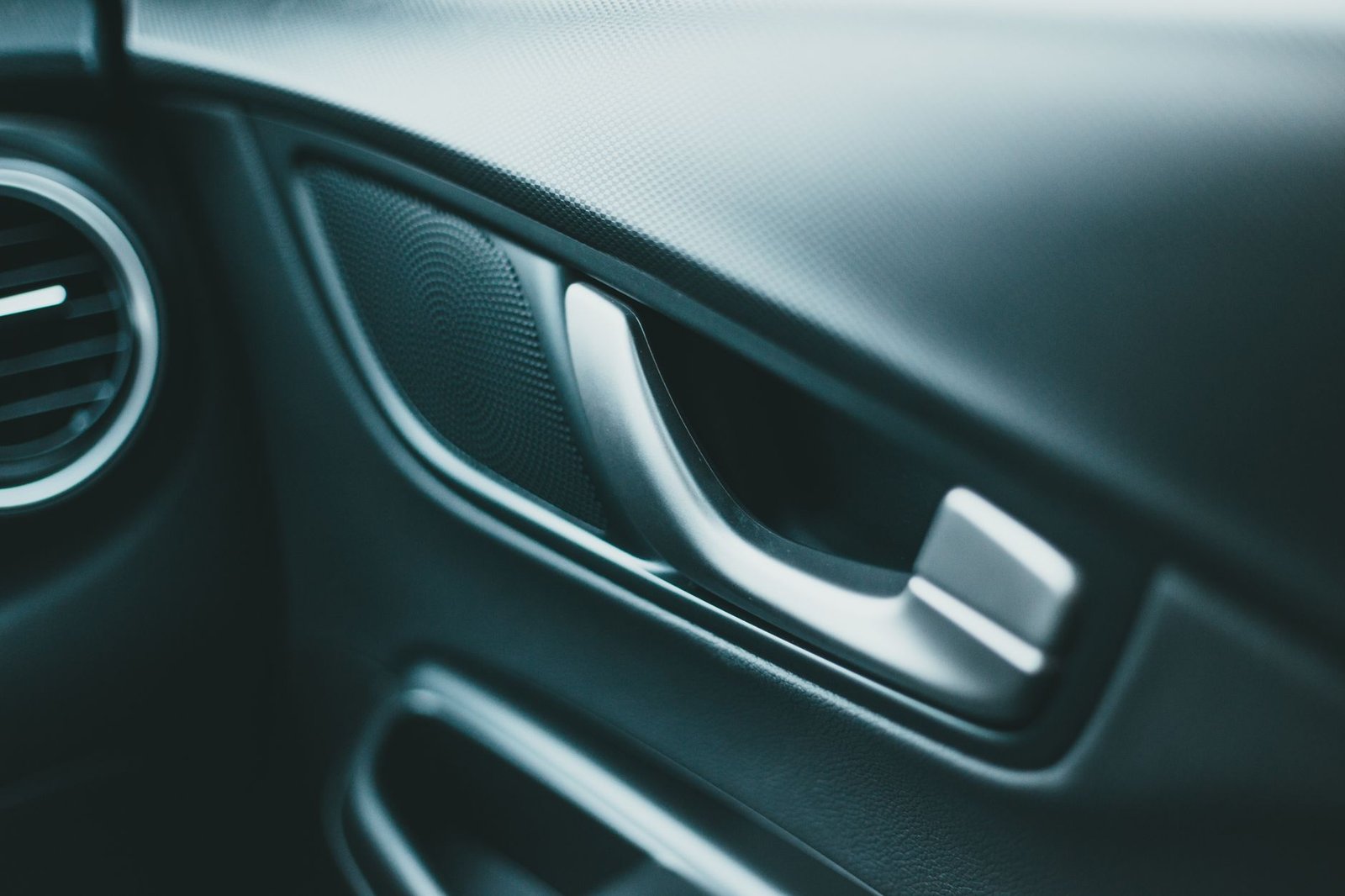
While Tesla frequently dazzles with advanced automated systems and innovative self-driving capabilities, the latest recall points to a fascinating interplay between **hardware engineering and AI software**. Specifically, issues with the **door handles** necessitate this extensive recall.
Understanding the Issue
Nearly three million vehicles face potential **safety hazards** due to malfunctions that might seem minor but are critical. The **door handles**, integral to Tesla’s streamlined, futuristic design, have been identified as having potential faults that could lead to complications in vehicle operation. It’s a lesson in the classic struggle: elegant design versus practical utility.
Leveraging Over-the-Air Updates
A unique aspect of Tesla’s approach to this problem is its reliance on **over-the-air (OTA) updates**. Think of OTA as sending software updates to your vehicle, much like how your smartphone receives system upgrades. It’s an ingenious way to address software-related issues without the need for drivers to visit service centers.
Advantages and Limitations
The primary advantage of OTA updates is their ability to swiftly disseminate necessary fixes. For Tesla, this means many vehicles affected by camera software concerns can be adjusted remotely. However, not all issues can be resolved with digital solutions. In this case, physical interventions, such as attaching informative **warning stickers**, also become mandatory.
A Balanced Approach: Software Meets Hardware
The recall clearly delineates the boundaries of AI and software’s reach within a physical entity like a vehicle. For example, the reliance on **camera systems** to assist drivers and manage essential vehicle functions requires flawless software integration. However, when hardware components like door handles malfunction, it demonstrates the necessity for an ongoing dialogue between AI developers and traditional engineers.
Real-World Analogy
Imagine if your laptop’s trackpad were to malfunction while relying entirely on software controls for navigation. The inconvenience is apparent, demonstrating how dependent digital interfaces can be on their underlying physical entities. Similarly, AI in vehicles requires a dual focus on both the software advancements and the reliability of mechanical components.
Implications for the Future of AI in Vehicles
This recall serves as a poignant reminder that **AI integration** in vehicles is an evolving journey. As AI becomes more sophisticated, automakers must consider a more integrated approach that factors in both digital and physical dimensions. Beyond mere software updates, the future might see more collaborative development, where AI plays a pivotal role in both predicting potential issues before they necessitate recalls and optimizing hardware from the start.
Looking forward, the trajectory of AI in the automotive world suggests an exciting dawn where seamless integration enhances not only the vehicle’s functionality but also the overall safety and experience for the user. The current challenges are but stepping stones towards smarter, more reliable autonomous vehicles crafted by the dual wisdom of digital and mechanical innovation.
