

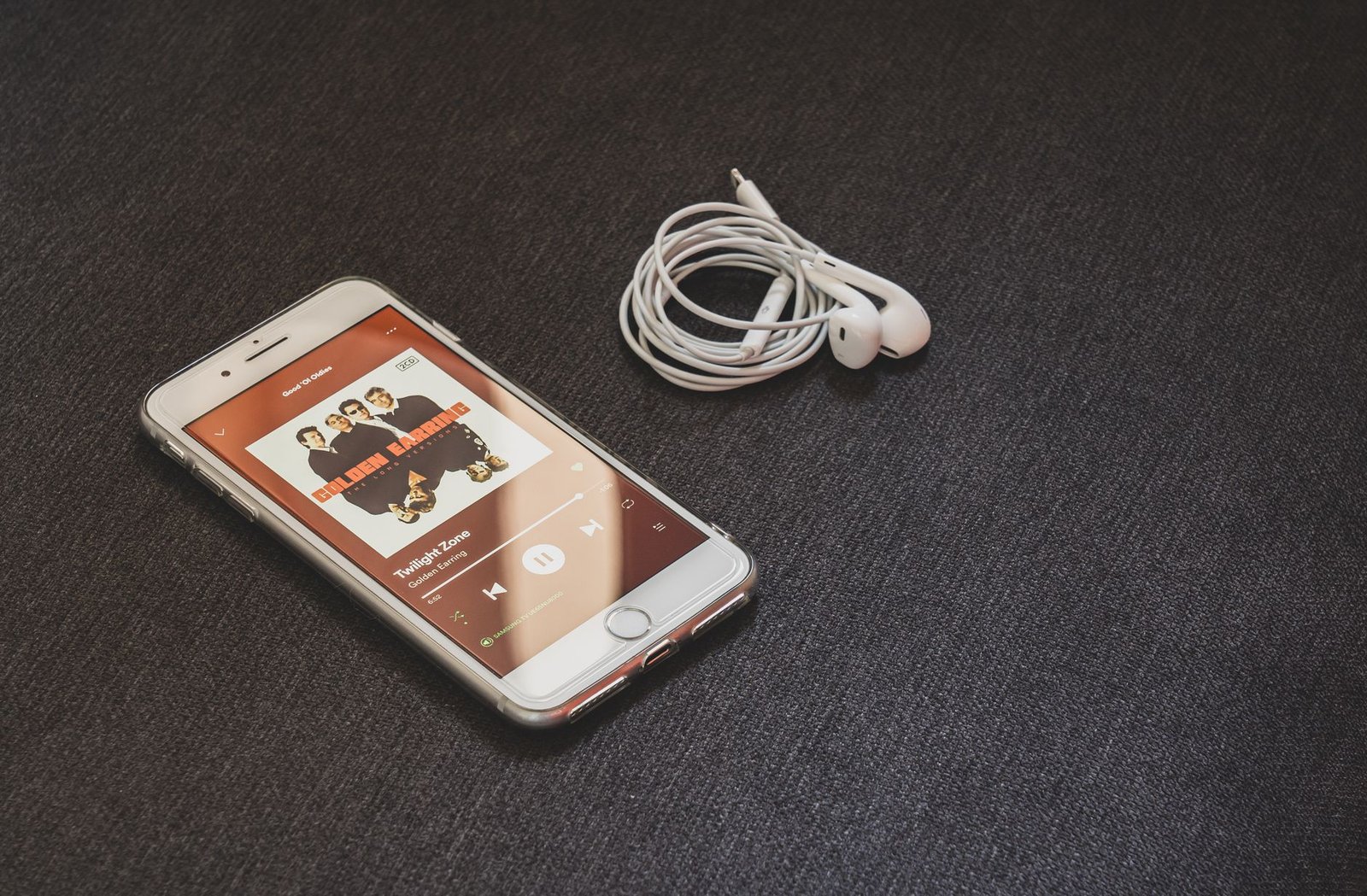
Imagine scrolling through your favorite music streaming platform, only to discover that the song you’re jamming to was created not by a human, but by an algorithm. TIDAL, one of the key players in the music streaming industry, has just taken a decisive step in responding to the growing trend of AI-generated music by halting monetization for these tracks.
Key Takeaways
- TIDAL is cracking down on AI-produced music by stopping revenue generation.
- The platform will utilize automated tools to identify and remove content that impersonates real artists.
- This move highlights ongoing tensions between technology and copyright in the music industry.
- Ethical considerations remain at the forefront as AI capabilities grow.
- The future of AI in music will require a balance between innovation and authenticity.
The Rise of AI in Music
The concept of **AI-generated music** is no longer science fiction. Modern algorithms can synthesize instrumentals and mimic human vocals with startling accuracy. These AI systems—powered by machine learning techniques—analyze vast datasets of music, learning patterns, styles, and structures. In simpler terms, just as a student learns by observing and practicing, AI learns by processing and imitating existing music.
Understanding the Technology
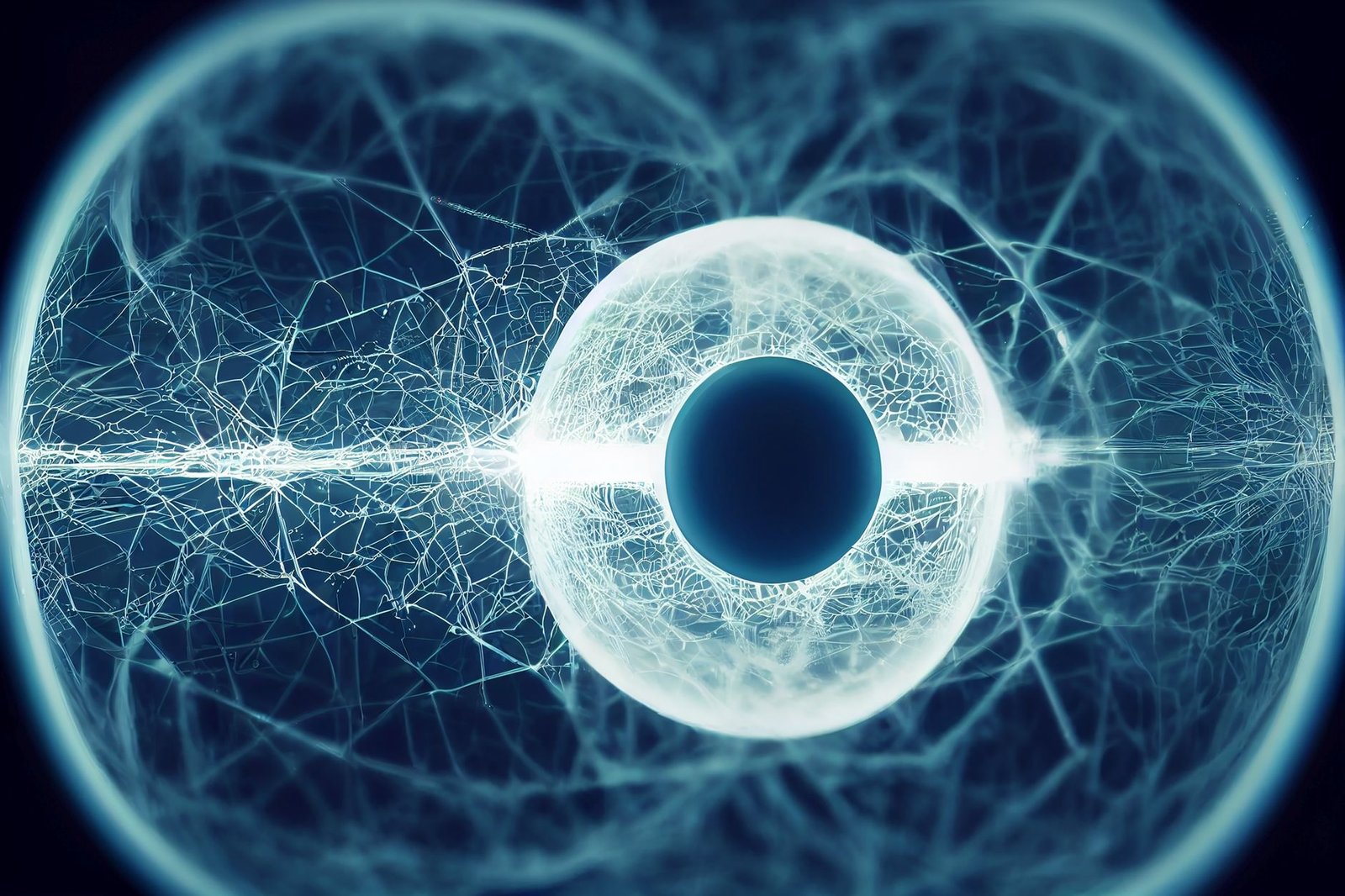
These music-generating AI systems employ complex algorithms, including **neural networks**, which are a series of algorithms modeled after the human brain. They can understand vast components of music creation, from the timing of notes to intricate rhythms and melodies. However, the challenge emerges when these creations begin to imitate the work of established artists or bands without permission. Imagine an intricate **deepfake** for music—that’s the level of impersonation AI can achieve.
TIDAL’s Strategy
TIDAL has responded to these technological advances by announcing the withdrawal of financial incentives for AI-generated music. This bold move intends to protect the integrity of human creativity and uphold the artistry of established musicians. Moreover, TIDAL plans to employ **automated tools** to detect and remove any AI content that attempts to impersonate or replicate the work of real artists.
The Ethical Dilemma
The intersection of AI and artistic expression raises ethical questions. Should machines be allowed to create art that is indiscernible from the human touch? Is it fair for AI to replicate the hard work of musicians who spend years honing their craft? These questions weigh heavily on the music industry seeking to maintain its creative integrity.
Real-world Example
Consider the analogy of a skilled artist whose portrait is replicated by another painter. The replica, while skillfully done, does not possess the authenticity and emotional depth of the original. Similarly, music generated by AI may reproduce the sounds and structures but could lack the genuine emotional experience—the soul—that human artists imbue in their work.
The Implications and Future
TIDAL’s decision is a significant indicator of the industry’s stance on how AI is reshaping music production. As technology advances, so will the strategies to incorporate it ethically into our cultural and economic systems. Moving forward, the music industry will need to find a way to embrace AI’s innovative potential without compromising the value of **authentic human creativity**.
As we navigate this complex terrain, the question remains: Can AI complement human creativity rather than undermine it? The future holds exciting possibilities for collaboration between human musicians and AI, a harmony where each amplifies the other’s strengths to create something truly groundbreaking.
