




In a move that could potentially shake the foundations of technological progress in the United States, it seems that a significant shift in policy is on the horizon. As whispers grow louder about proposed semiconductor tariffs, the technology sector finds itself bracing for an impact that might reverberate through the realms of **artificial intelligence** and beyond.
Key Takeaways
- Potential new tariffs on semiconductors may affect both chips and chip-dependent products.
- The decision is causing concern within the tech industry for its impact on AI development.
- The timing of this announcement might undermine current tech advancements.
- Broader policy changes are expected that could shift the landscape of AI innovation.
- Experts suggest the final framework is still in flux and open to adjustment.
The Implications of SEMICONDUCTOR Tariffs
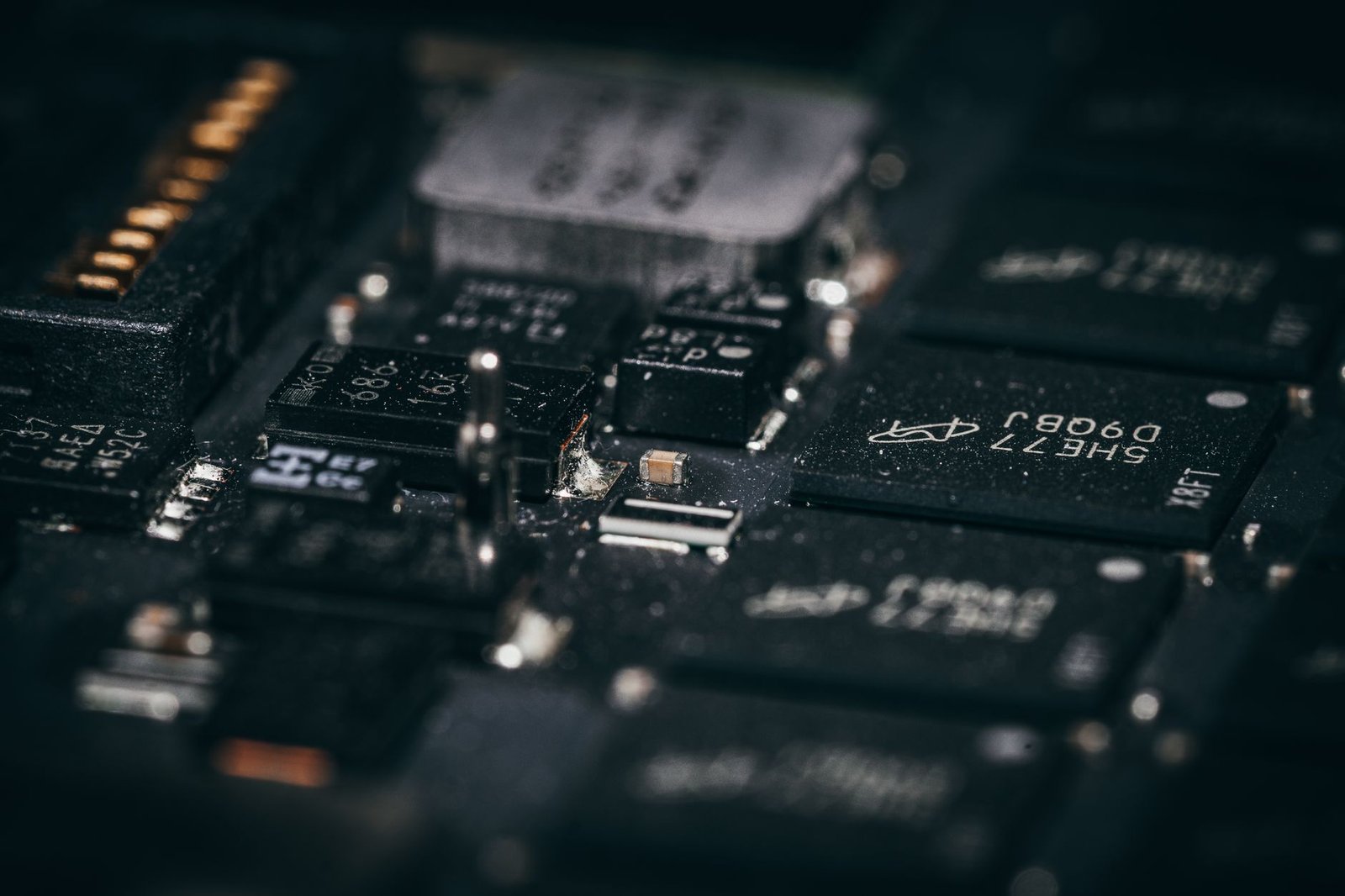
From laptops to smart devices, **semiconductors** or “chips” are the brain behind countless technologies. They power complex computations, which are essential for running advanced **AI algorithms**—the kind that can recognize faces, process natural language, and even drive cars autonomously. In essence, the semiconductor industry is at the heart of technological advancement in the 21st century.
A Grim Forecast for AI Innovation
Reportedly, potential tariffs could extend beyond just semiconductor chips. This could involve products like **gaming consoles** and **data center servers**, both heavily reliant on microchip technology. Experts in the field suggest that such a broad application of tariffs could stifle innovation, acting as a tax on progress just when AI is starting to make revolutionary strides in various sectors.
Why Timing Matters
This move comes at a pivotal moment for the tech industry. Over the past few years, AI has firmly established itself as a cornerstone for future innovations—not just in consumer tech but also in fields as diverse as healthcare, finance, and manufacturing. The proposed tariffs could disrupt this momentum, creating hurdles where paths had just begun to clear.
The Butterfly Effect of Tariffs
Imagine a small stone thrown into a pond. The ripples spread far and wide, distorting the once-calm surface. Similarly, imposing new tariffs on semiconductors might lead to higher production costs, which would undoubtedly affect pricing for consumers. The cycle continues, complicating budgets for companies and making it difficult to pursue cutting-edge research and development in AI technologies.
Looking Ahead: Potential Outcomes
While the exact structure and impact of these tariffs remain speculative, their potential introduction signals an opportunity for proactive measures. Industry leaders and policymakers have the chance to rethink how technologies that are as foundational as chips can be supported rather than hindered.
Strategic foresight will be crucial in ensuring that the United States remains a global leader in AI innovation. By exploring alternative avenues like investing in domestic semiconductor production or fostering international collaborations, the tech ecosystem can stay resilient against potential policy shifts.
In the grand course of history, **artificial intelligence** is still in its golden age of exploration. These impending decisions from policymakers will undoubtedly shape how far and fast this journey can proceed. As we stand on the brink of what could be a significant policy transformation, one thing remains clear: the future of AI and tech innovation is a path best navigated with thoughtful consideration and a dash of optimism.
