




Imagine a future where space travel becomes as routine as catching a flight. Recent policy changes by the U.S. government are steering the nation towards such a reality, redefining the possibilities of space exploration and transportation. This vision, outlined by a new national space transportation policy, promises to reshape how we interact with the stars.
- New policy aims for over 1,000 space launches per year by 2030
- Focus on expanding spaceport infrastructure on federal land
- Policy emphasizes the importance of commercial space industry growth
- Huge increase in U.S. launch numbers since 2013 underpins the policy
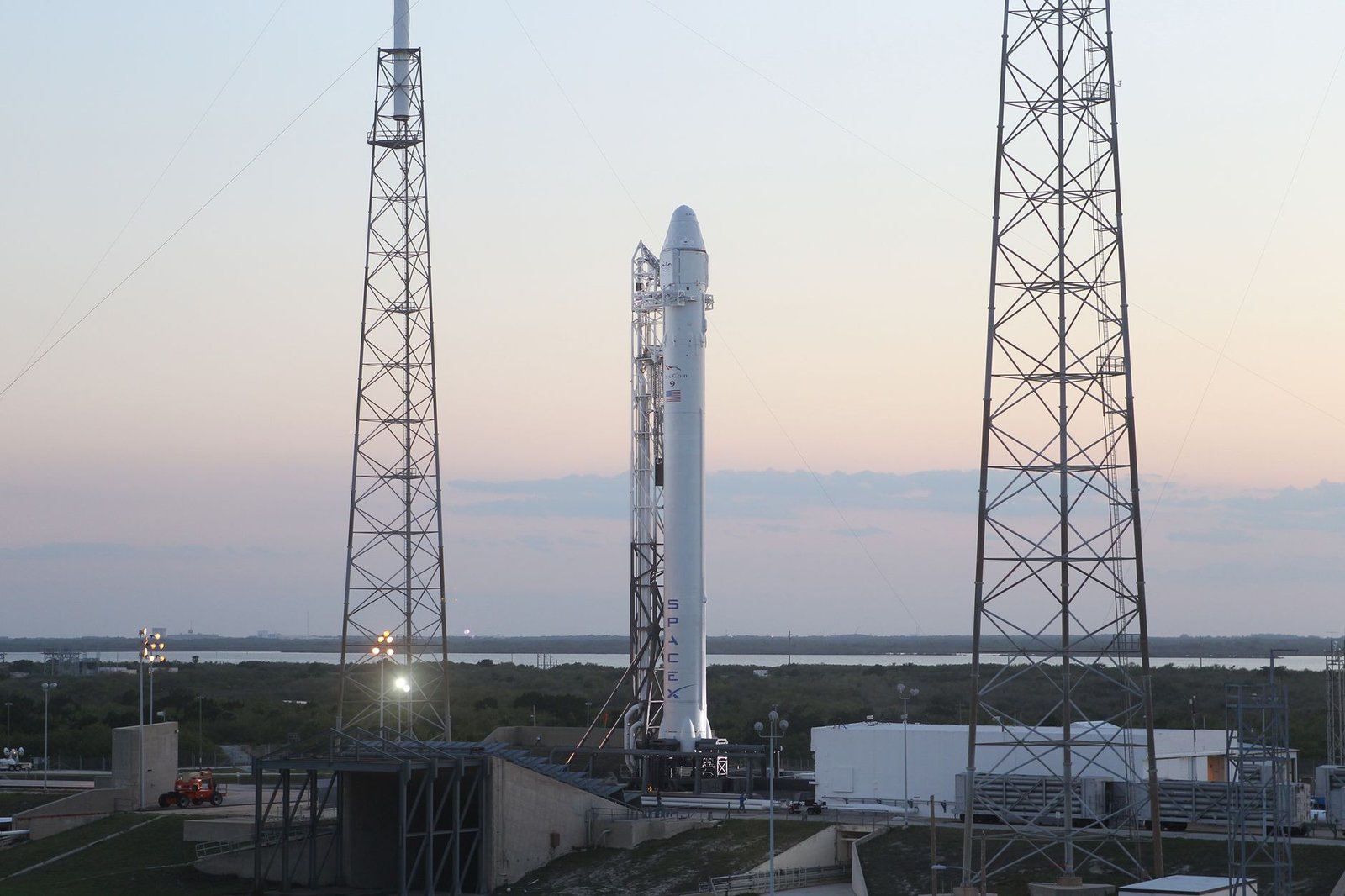
- SpaceX prominently driving the current surge with Falcon 9 launches
Expanding Spaceports: A Key to Future Space Travel
The new policy calls for the development of **additional spaceports** on federal land. Why spaceports? These are specialized facilities where spacecraft launch and land, similar to airports for airplanes. The aim is to support an **ambitious target of over 1,000** launches and reentries each year by 2030. This increase aligns with the exponential growth in space launches already observed.
Changes in the Launch Landscape
Since 2013, the launch industry has undergone a dramatic transformation. Back then, the United States saw only a handful of launches. Fast forward to recent years, with 176 orbital attempts from U.S. soil alone in just the last year. This remarkable growth has been driven largely by private sector innovation.
**SpaceX** has been a major player in this field, spearheading efforts with its **Falcon 9 rocket**. With 165 orbital launches in the past year, SpaceX is at the forefront, challenging traditional space boundaries and setting the pace for an ever-expanding industry.
Policy Evolution: From Obama’s Vision to Trump’s Directive
The current memorandum replaces a predecessor signed by former President Barack Obama in 2013. Both policies express a commitment to fostering the **commercial space sector**, emphasizing the necessity of **uninterrupted access to space**. However, the latest directive reflects the sector’s rapid advancement and heightened ambitions for U.S. space capabilities.
In outlining the need for more spaceports, the policy underscores the importance of **infrastructure development** as a bedrock for future advancements. By supporting the establishment of these gateways to the cosmos, the U.S. aims to remain a dominant force in space exploration.
Real World Analogy: From Roads to Skyways
Think of this push for **spaceport expansion** as akin to developing a robust network of highways. Just as highways facilitate more efficient travel and commerce on Earth, spaceports will do the same for space activities, enabling more frequent and diverse missions.
What This Means for the Future of AI in Space
As the pace of space travel accelerates, it’s clear that **AI technologies** will play an integral role in managing and optimizing operations. From **autonomous spacecraft navigation** to **intelligent launch systems**, AI will provide the smart infrastructure necessary to support this surge in activities. Enhanced AI applications will be crucial in ensuring safety, efficiency, and reliability as the space sector grows.
In conclusion, the implications of this policy extend far beyond increased launch numbers. This development sets the stage for a new era in space exploration, a chapter where humans and AI collaborate closely on cosmic endeavors. As the infrastructure expands, opportunities for groundbreaking advancements in AI within the space industry multiply, heralding an exciting future of discovery and innovation.
