



Imagine a future where computers critically affect who lives or dies by identifying illness faster than ever before. This isn’t science fiction; it’s today’s reality, powered by artificial intelligence (AI). As tech transforms every sector of our lives, understanding its implications becomes crucial.
- AI significantly enhances disease diagnosis and management.
- Facial recognition technology in healthcare raises ethical questions.
- The current measles outbreak showcases gaps in healthcare policy.
- AI has the potential to prevent such diseases with predictive analytics.
The Role of AI in Healthcare
Artificial intelligence is rapidly redefining healthcare through innovations such as AI-driven diagnosis and automated workflows. By analyzing massive datasets, which humans would find overwhelming, AI helps detect diseases early and more accurately. For instance, deep learning algorithms—where machines mimic the neural networks of human brains—are showing promise in diagnosing diseases from medical imaging far better than manual methods.
Understanding Deep Learning
Deep learning is a subfield of AI involving structures called neural networks, inspired by the human brain’s architecture. If you’ve got thousands of patient scans, a deep learning system will train itself to identify patterns, much like how our brains recognize faces. The result? Faster, more accurate disease detection that could save invaluable time and lives.
The Ethical Dilemma: Facial Recognition in Medicine
AI introduces powerful tools, such as facial recognition, that could pinpoint genetic conditions simply by analyzing facial features. However, these advances bring ethical dilemmas. Just because we can do something doesn’t always mean we should. The balance between technological possibilities and ethical responsibilities can be tricky.
Privacy Concerns
Patient privacy is a cornerstone of healthcare ethics, and AI systems analyzing facial data must respect this. Future healthcare policies will need to balance these cutting-edge innovations with the need to protect individual privacy.
Measles and Health Policy: Gaps in Immunization
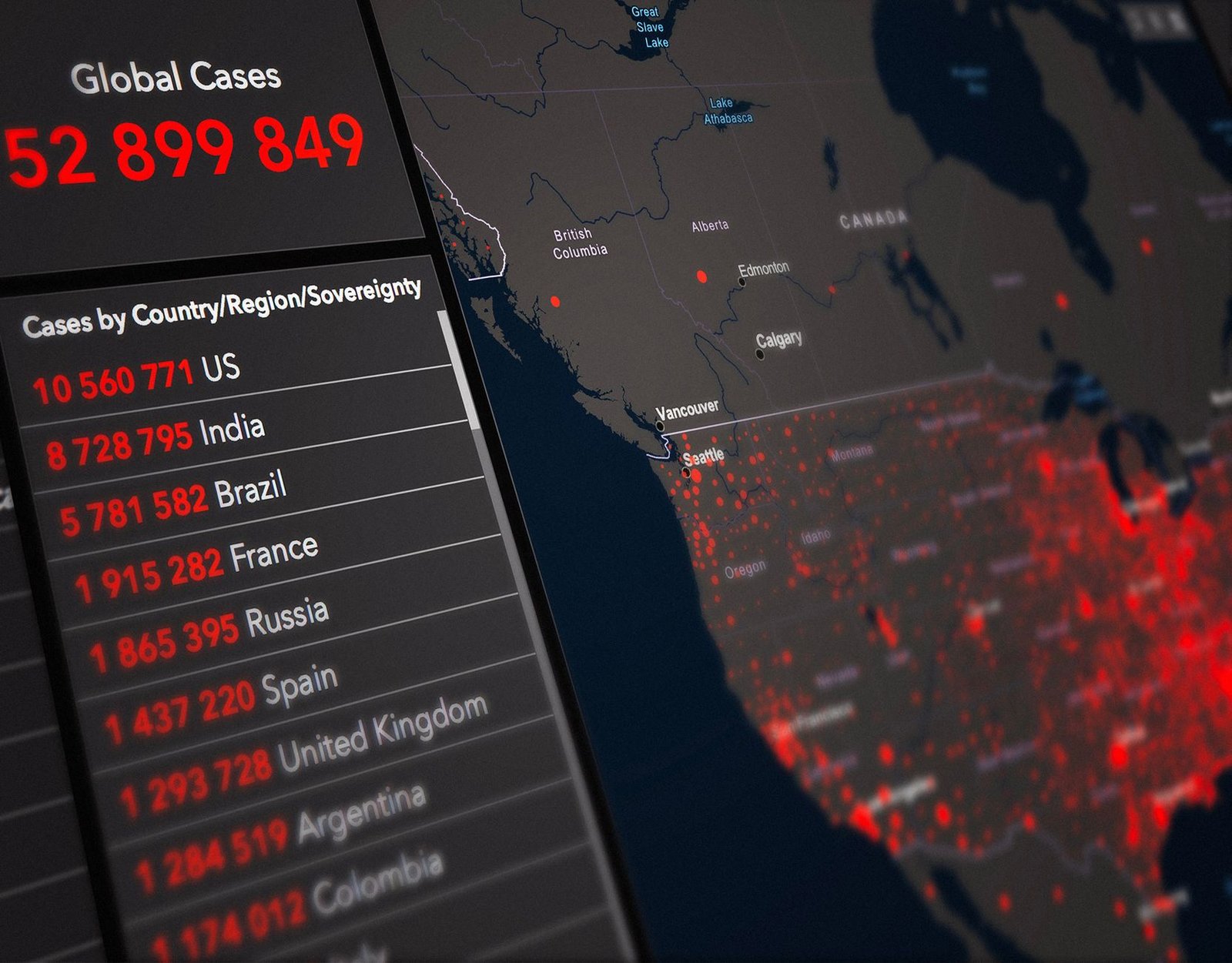
The recent deaths from measles, a preventable disease, highlight significant gaps in healthcare policy regarding vaccinations. Despite the advanced healthcare systems, outbreaks remind us of the critical need for public education about vaccination, an area where AI can assist significantly.
For instance, AI can predict outbreak hotspots by examining various data sources, such as vaccination rates, population movements, and social media trends. This predictive power can then inform proactive public health interventions, potentially saving lives.
Real-World Analogy: Weather Forecasting
Think of how weather forecasting systems predict storms well in advance, allowing people to prepare and sometimes evacuate. Similarly, AI uses data to track potential disease outbreaks before they occur, aiming to mitigate impact just like weather alerts.
The Dynamic Future of AI in Healthcare
As AI continues to be woven into the fabric of modern healthcare, its potential seems boundless. With advances in machine learning and AI, personalized medicine that tailors treatment to an individual’s genetic makeup could become standard practice. Yet, as with any powerful tool, striking a balance between innovation and ethical considerations remains imperative.
Looking forward, AI will likely amplify its role in preventing and managing diseases, potentially curbing outbreaks before they threaten lives. The future is bright for AI in healthcare, but it’s a future that demands thoughtful stewardship, encompassing both technological innovation and ethical responsibility.
