



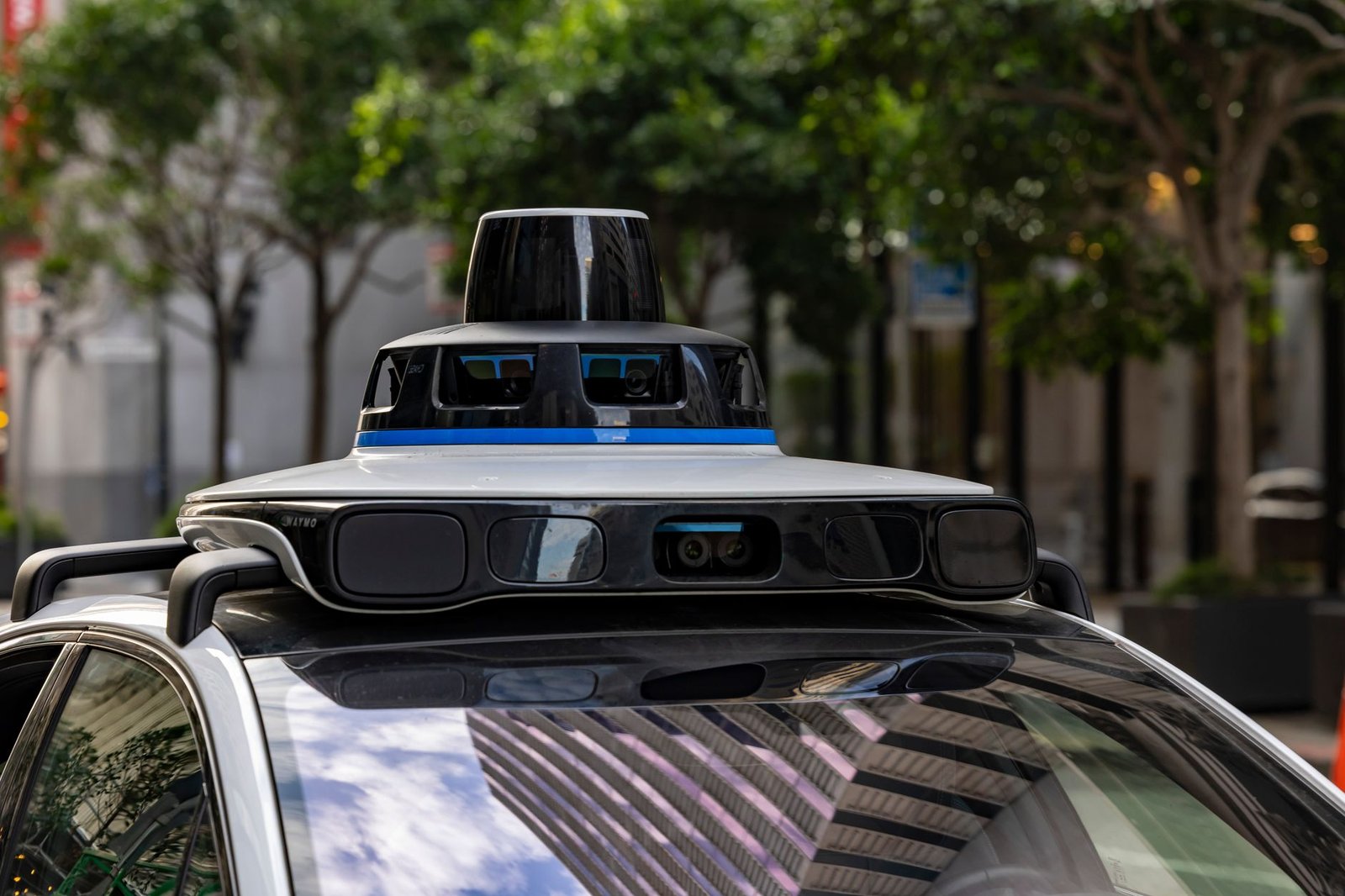
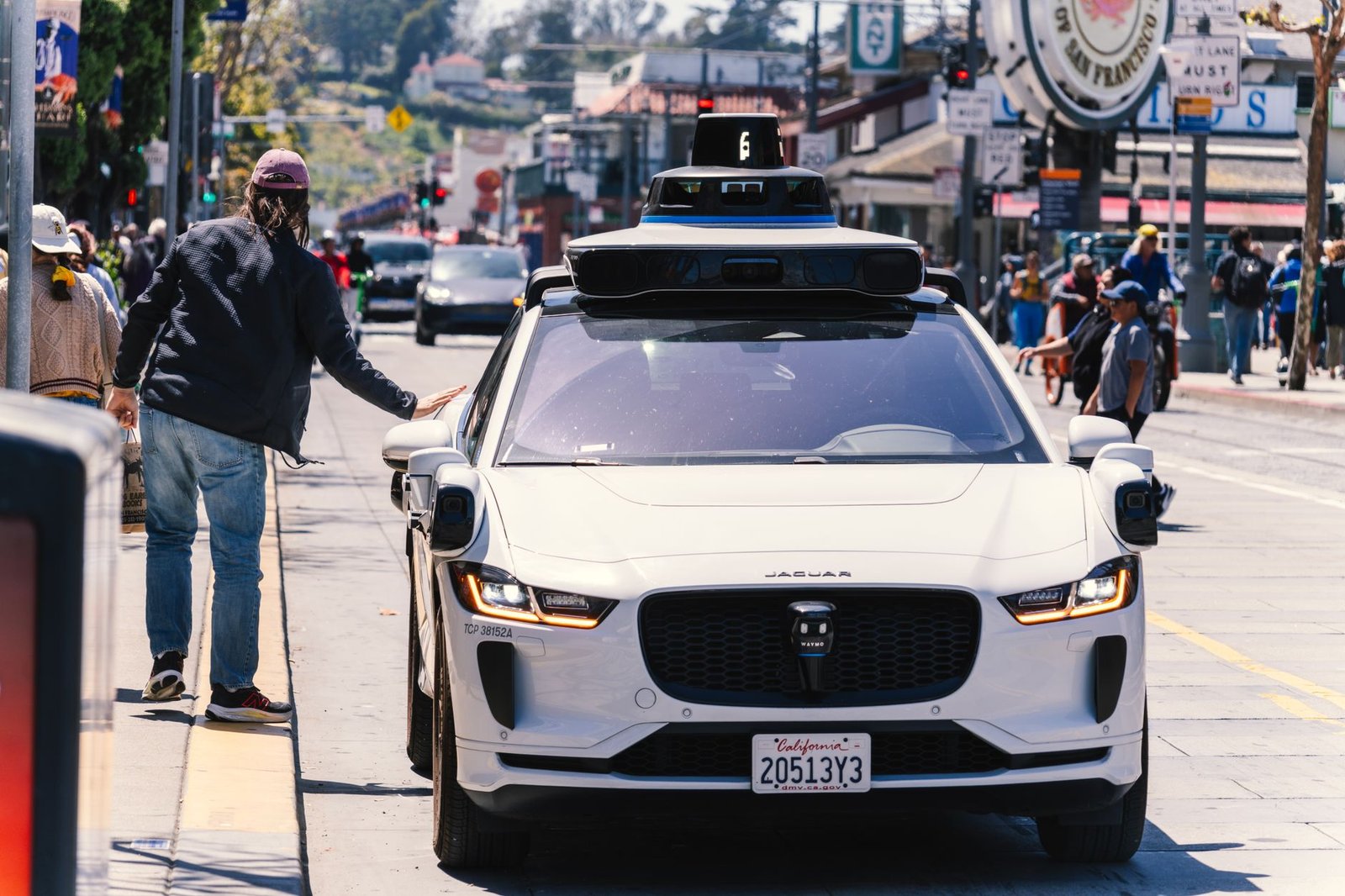
The race to dominate the future of transportation is heating up, with **Waymo** and **Uber** vying for the top spot in the competitive world of fully autonomous taxis. With its eyes set firmly on a driverless future, Waymo is accelerating its efforts by doubling its lobbying expenditure, signaling an all-out effort to reshape how we experience urban mobility.
- Waymo has significantly boosted its lobbying in an effort to further autonomous vehicle regulations.
- Federal lobbying spending by Waymo has outpaced some major competitors like Amazon’s Zoox and Tesla.
- The battle between Waymo and Uber represents diverging strategies for the adoption of **robotaxis**.
- This push could expedite the timeline for fully autonomous taxi services.
- The future of AI-driven transportation hinges on these strategic regulatory battles.
Waymo’s Bold Financial Move
In recent months, Waymo, owned by tech giant Alphabet, has dramatically boosted its lobbying efforts, investing more than $1 million between April and June alone. This sums up to more than double what the company spent in the same period last year. Lobbying, in this context, refers to efforts to influence policymakers to support or reject specific rules or legislation, especially here concerning **autonomous vehicles**. This increase in spending aims to smooth the regulatory pathway for the broader deployment of fully autonomous taxi services, without human oversight.
Rivalry with Uber Intensifies
While both Waymo and Uber are giants in the realm of autonomous vehicles, their approaches diverge. Uber proposes a more cautious introduction of robotaxis, integrating autonomous vehicles within its existing driver-operated fleet. Conversely, Waymo advocates for a more rapid transition to a world where driverless vehicles are the norm. This fundamental difference makes their current battle not just about technology, but also the pace and method of adopting autonomous solutions.
Why Does This Matter?
Understanding this battle’s significance becomes clearer when we consider the potential changes to our daily lives. Imagine traveling long distances across the city with ease, engaging in activities like reading or watching a movie, all while your car drives you safely to your destination. The technology driving these scenarios, **Artificial Intelligence (AI)**, uses complex algorithms and sensors to detect obstacles, assess traffic conditions, and make split-second decisions.
Real-world Implications
The implications for urban planning, vehicle manufacturing, and even employment are profound. For example, driverless cars could fundamentally change how cities are designed, reducing the need for parking spaces and potentially reshaping public transport. Consider the way **smartphones** revolutionized not just communication but also industries like photography and navigation. Autonomous vehicles promise a similar magnitude of change across multiple sectors.
The Future of AI in Transportation
This increased lobbying effort from Waymo could accelerate the timeline for the adoption of fully autonomous vehicles, paving the way for the AI-driven transportation ecosystem of tomorrow. As these technological and regulatory milestones are achieved, the landscape of urban mobility will transform, potentially leading to safer roads, less traffic congestion, and new business models centered around autonomous vehicles.
Looking ahead, the outcome of this regulatory marathon not only determines who gets a larger share of the robotaxi market but also sets a precedent for how AI technology blends into everyday life. Whether it’s through Waymo’s vision of immediate integration or Uber’s staged approach, the deployment of autonomous vehicles will doubtlessly redefine how we traverse our cities, ushering in a new era of digital transportation powered by AI.
