


The brain’s ability to adapt and evolve is one of its most fascinating traits—especially when we think about how it maintains memories even as it undergoes constant change. In a groundbreaking study, researchers explored what happens when mice are put into a hibernation-like state, erasing a vast number of connections in their brains, known as synapses. Yet, against expectations, these mice retained their memories. Could this phenomenon unlock new secrets about memory storage and retrieval?
Key Takeaways
- The study highlights the brain’s plasticity and resilience in maintaining memories during drastic synaptic changes.
- Researchers manipulated a natural process in mice to explore how memories persist.
- Activating certain neurons in the hypothalamus can trigger a hibernation-like state.
- The experimental findings could reshape our understanding of memory stability.
- This research could inspire breakthroughs in artificial intelligence (AI) memory systems.
The Dynamic Nature of Synapses
Our **memories** are believed to be recorded through the strengthening and enlargement of **connections among neurons**. These connections, known as synapses, are not static; they change and adapt over time, a property referred to as **plasticity**. Kazumasa Tanaka, a neuroscientist at the Okinawa Institute of Science and Technology Graduate University, points out a curious dilemma: while synapses continuously evolve, memories somehow remain stable over long durations.
The Experiment: Inducing Hibernation in Mice
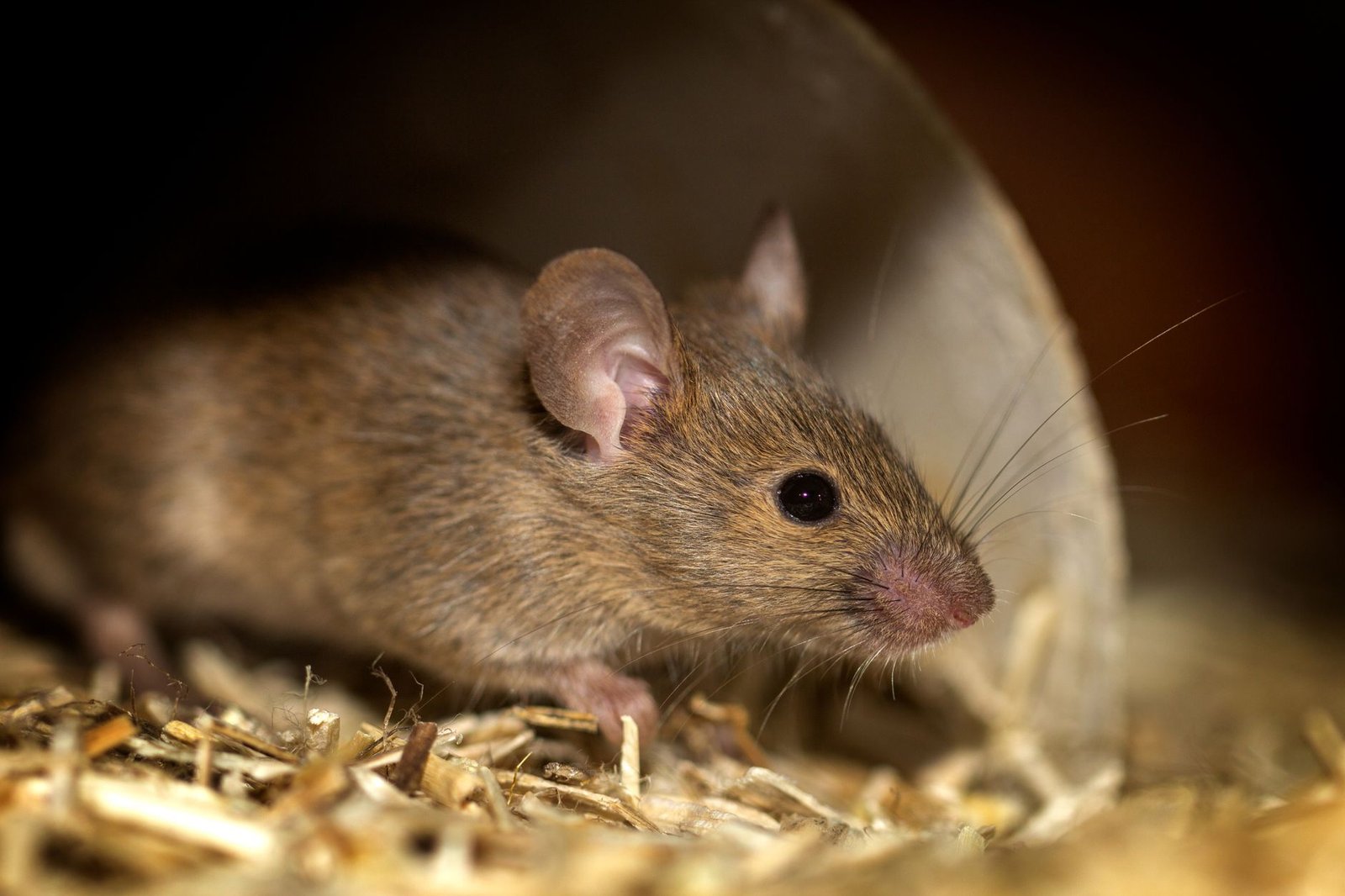
To test how memories can persist over the long term despite being stored on such dynamic “hardware,” Tanaka’s team induced a dramatic change in synaptic connections. They initiated a **hibernation-like state in mice**, effectively resetting more than half of their synapses. Unlike typical hibernating animals such as squirrels or bears, the neural pathways responsible for this state are present in all mammals, including those that do not hibernate naturally, like mice.
In June 2020, Takeshi Sakurai from the University of Tsukuba, who collaborated with Tanaka, pioneered a method to stimulate this hibernation circuit. By activating a select group of **Q neurons** within the hypothalamus, they were able to replicate the effects of hibernation artificially.
Memory Resilience: A Closer Look
Despite erasing a vast network of synapses, the mice’s ability to retain memories was not diminished. But how is this possible? It’s akin to removing apps and data from a smartphone, yet somehow the phone recalls its previous settings and preferences upon restarting. The study suggests that **memory** might be more dispersed and fortified throughout the brain than initially assumed, or there may be backup mechanisms at play that we don’t yet fully comprehend.
Implications for Memory and AI
These findings could have profound implications for our understanding of **memory storage and retrieval** in both natural and artificial systems. In the realm of AI, mimicking such plasticity and resilience might allow for building more robust systems capable of storing vast amounts of information while being resilient to changes.
The Future of Memory Research and AI
This study nudges us to reconsider traditional theories of how memories are preserved and challenges us to integrate these findings into artificial intelligence. By emulating nature’s elegant solutions, we might not only improve AI’s capacity to manage dynamic information but also open new avenues in neurological research, targeting conditions like Alzheimer’s where memory retention is compromised. As we deepen our understanding of the brain’s adaptability, future AI models might become even more sophisticated, capable of learning, adapting, and evolving in ways currently unimaginable.
