



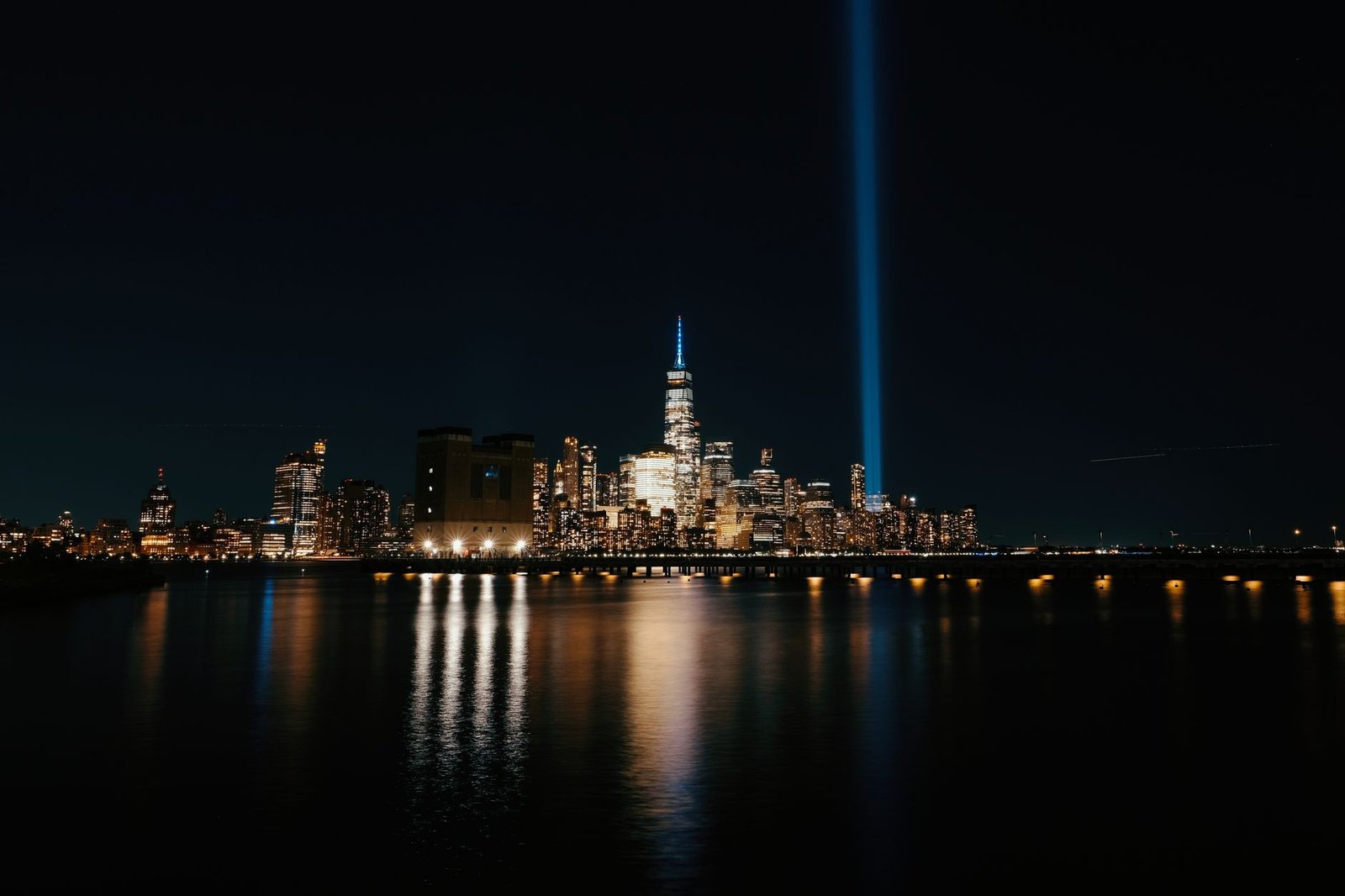
On a day when tragedy struck an entire nation, unexpected bonds formed amidst the chaos. As the 25th anniversary of the 9/11 attacks looms, stories of unity and resilience continue to inspire a world that watched in horror but found hope in the aftermath.
Key Takeaways
- A new documentary miniseries, 9/11: Reunited, explores the enduring connections between survivors.
- The series offers a unique perspective by focusing on the powerful human bonds that arose post-tragedy.
- Directed by Julian Jones, the documentary builds on the acclaim of his previous award-winning work.
- The series gives survivors a platform to express gratitude and address unresolved issues.
- It delves into the psychological and physical struggles faced by survivors over the years.
The Documentary’s Unique Perspective
In collaboration with the 9/11 Memorial and Museum, National Geographic has produced a compelling documentary series titled 9/11: Reunited. Unlike most narratives focused solely on the tragedy’s immediate impact, this series dives deep into the enduring relationships cultivated in the wake of disaster. It’s an exploration of humanity’s resilience and capacity for compassion when everything seems lost.
The Vision Behind the Series
Julian Jones, who previously earned acclaim for his work on 9/11: One Day in America, directs this new series. His past experience highlighted tales of everyday heroism and solidarity that inspired him to revisit these stories. “I was moved by how people showed up for each other,” Jones shared. These moments of shared humanity prompted the creation of a series that celebrates those connections 25 years later.
Emotional and Complex Ground
The series not only reunites individuals but also serves as a conduit for long-overdue conversations. Survivors, who were mere strangers at the time, now come together to express gratitude, seek closure, and remember the friends they lost. According to Jones, “After 25 years, the questions that have lingered and the desire to meet those they crossed paths with have intensified.”
Addressing Ongoing Challenges
For many, the day of the attacks isn’t the only focal point; rather, it is what survivors refer to as “9/12”, representing the ongoing journey post-trauma. This part of the story encompasses the subsequent psychological and physical challenges they have faced. Imagine recovering from a hurricane—while the storm itself was catastrophic, the process of rebuilding and healing extends far beyond.
The Future: Strength in Unity
Reflecting on these powerful narratives does more than just pay homage to history; it highlights the profound strength found in unity. As artificial intelligence (AI) continues to evolve, there’s an opportunity to harness technology to support human connection and resilience further. AI can document, analyze, and potentially help resolve complex human emotions and interactions captured in such narratives. Looking forward, leveraging bold AI innovations can create platforms that foster collective healing and provide personalized pathways for those coping with trauma.
