



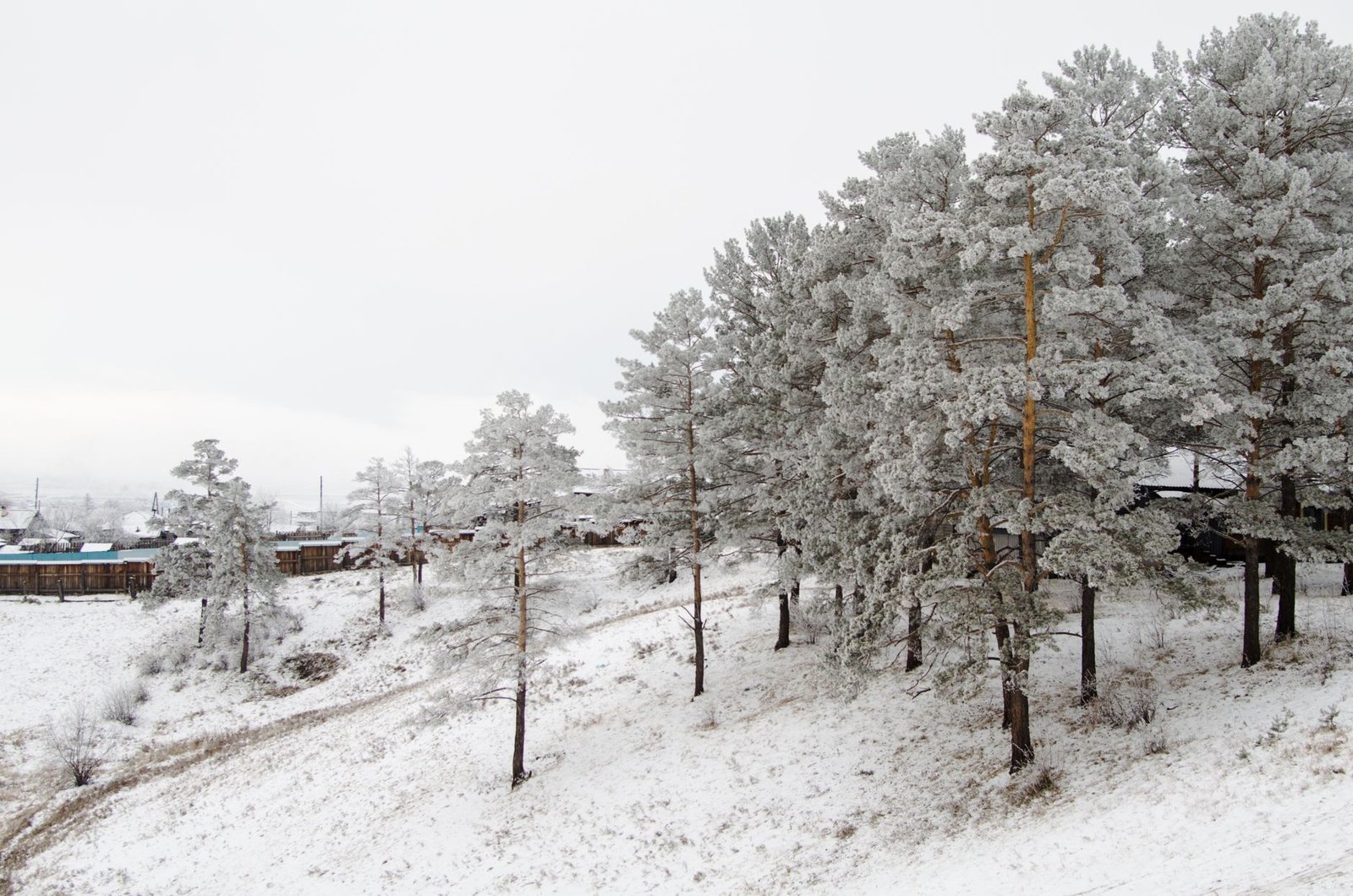
Some 5,500 years ago, a deadly outbreak swept through the hunter-gatherers of southeastern Siberia, leaving behind a silent testimony of its destructiveness, hidden within their teeth. As modern-day researchers unlock the secrets of this ancient calamity, they are rewriting the early chapters of plague history.

- New evidence points to the earliest known plague outbreak dating back 5,500 years.
- Researchers identified the oldest strain of Yersinia pestis in Siberia.
- Plague may have plagued human societies even before the advent of farming communities.
- This discovery challenges previous beliefs about the evolution of plagues.
- Insights from ancient DNA can inform our understanding of disease progression.
Tracing the Ancient Roots of a Lethal Disease
The understanding we have of the ***plague***, a devastating infection caused by **Yersinia pestis** bacteria, has long hinged on a few solid assumptions. One such belief is that earlier bacteria strains were relatively benign, lacking the genetic arsenal for widespread devastation. Another posits that plagues likely arose within the crowded habitats of the first agriculturalists, where proximity between humans, rats, and domestic animals facilitated their spread.
A Surprising Twist in the Plague Narrative
However, recent findings by Ruairidh Macleod and his team from the University of Oxford propose an unexpected twist. By analyzing DNA extracted from teeth belonging to victims buried in the ancient cemeteries surrounding Russia’s Lake Baikal, they have unearthed a different story—one where the plague begins its deadly dance well before the advent of farming.
This breakthrough effectively challenges the established timeline of the **bacterium’s evolution**. If hunter-gatherers were indeed subjected to this early form of the plague, it implies that the disease might have been a formidable force long before societies transitioned to agricultural life.
Uncovering the Significance of Ancient DNA
The concept of using **ancient DNA** to unravel the past is akin to peeling away layers of history. This approach provides a genetic parchment where scientists can read the chronicles of extinct diseases. Think of it as time-traveling through biology, where researchers can identify pathogens responsible for historical epidemics by decoding DNA strands preserved across millennia.
In the case of the Siberian hunter-gatherers, decades-old DNA extracted from their teeth provides invaluable insights into how pathogens like **Yersinia pestis** have evolved over time. The new findings suggest that this particular strain of the bacterium is the oldest ever sequenced, marking the first recorded instance of a plague outbreak.
The Broader Implications for Modern Science
This revelation is not just a historical footnote but a significant pivot in understanding how diseases can emerge and impact societies. By exploring the **genetic characteristics of ancient pathogens**, researchers can trace how infections develop vital traits that enable them to spread more efficiently or become more virulent. For instance, the genetic makeup underpinning this ancient strain may illuminate how modern strains could adapt and evolve.
Drawing parallels between ancient and modern-day epidemics enables researchers to decipher the enduring patterns of disease transmission—knowledge that is crucial in our ongoing battle against current and future pandemics.
Looking to the Future of AI in Epidemiology
As technology advances, the field of **artificial intelligence** (AI) is poised to revolutionize the study and management of infectious diseases. AI’s ability to analyze vast datasets quickly and predict potential outbreaks can be harnessed to anticipate how diseases similar to those caused by **Yersinia pestis** might behave. With AI models fine-tuned through historical insights like the ones from Siberia, we can better prepare for and mitigate the impacts of future pandemics.
The understanding gleaned from millennia-old DNA is a testament to the symbiotic relationship between cutting-edge AI technologies and archaeological discoveries, offering a glimpse into how past pandemics could inform future health strategies. In this ever-evolving narrative, the past and future intertwine, providing humanity with the tools to confront the challenges of tomorrow.
