



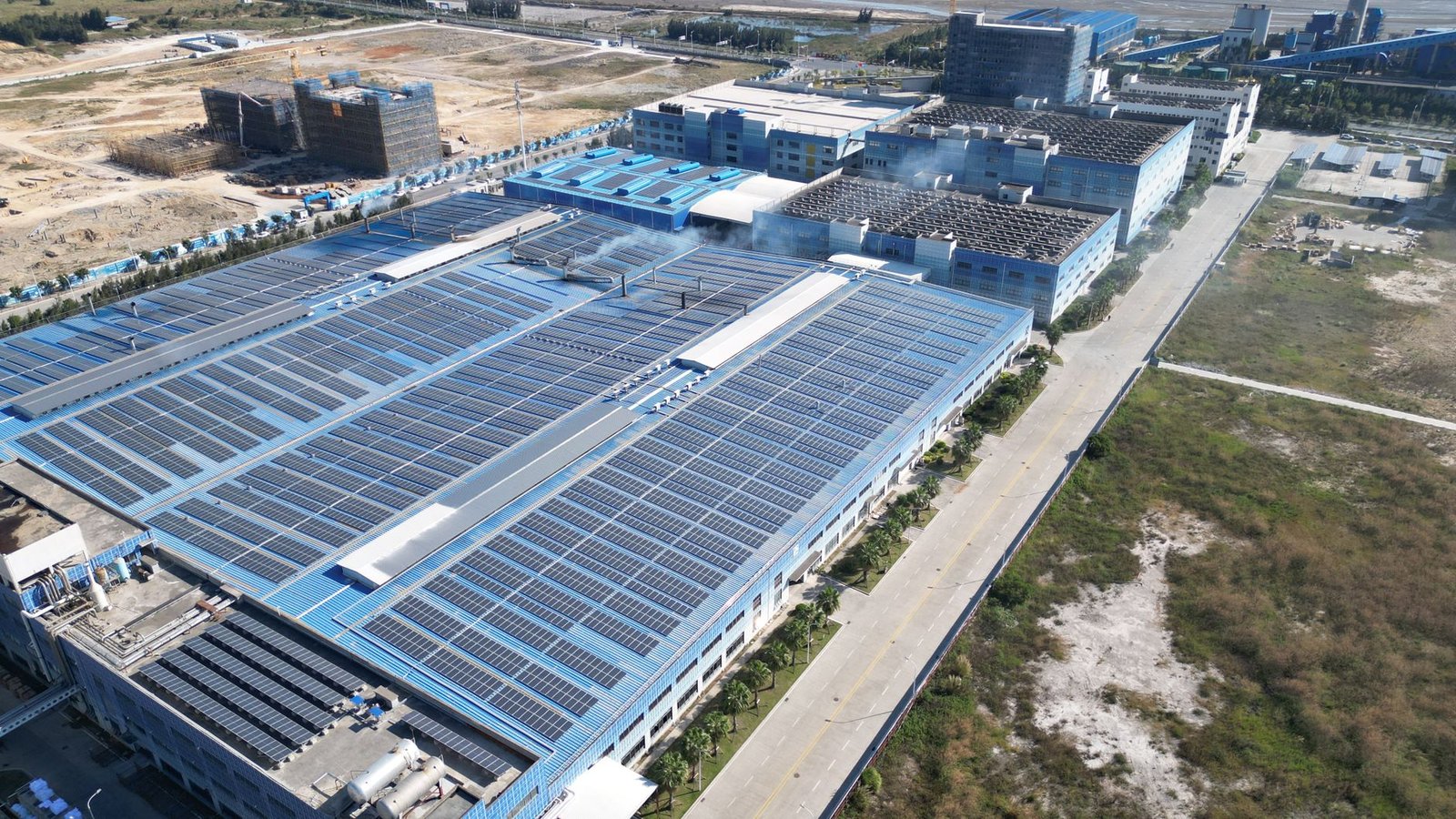
The US is experiencing a seismic shift in its energy landscape, with solar power making significant strides that promise to reshape the future of electricity generation. As solar energy’s ascent continues, it has quietly outshone coal on the national grid—a development that both surprises and signals a pivotal moment in energy history.

Key Takeaways
- Solar power surpassed coal-fired generation in April 2026 in the US.
- Rooftop solar installations contribute significantly, even if not all production reaches the grid.
- Despite seasonal fluctuations, solar’s growth remains strong due to cost advantages.
- Coal usage has declined, even with governmental support efforts.
- Solar now represents 6% of US power, contrasting with coal’s 16%.
The Rise of Solar Power
As of April 2026, data from the Energy Information Administration reveals a turning point: solar power production surpassed coal-fired electricity generation for the first time. However, the substantial solar production doesn’t always reach the grid due to rooftop installations, where solar panels directly power the buildings they are mounted on.
Rooftop Installations: The Unsung Contributors
While not all solar energy hits the main grid, these rooftop systems play a crucial role in the energy equation, reducing the building’s dependency on grid electricity and acting as mini power stations. Think of rooftop solar as turning each home into a personal power plant, harnessing the sun’s vast energy to fuel household needs.
Solar’s Rapid Growth vs. Coal’s Decline
The landscape before April/May was simple yet profound. Last year, coal saw a minor uptick in usage, but its long-term decline seems inevitable—despite government efforts to bolster the sector. In contrast, solar energy is booming due to its status as the most cost-effective way to expand electricity generation in many parts of the US. Even though initial contributions were modest, solar’s addition of capacity is outstripping most other power sources.
Understanding Seasonal Fluctuations
The solar industry faces natural limitations; the early months typically experience reduced production due to shorter days and more cloud coverage. However, even with a 20% growth year-over-year, solar represented only about 6% of power on the grid—a stark contrast to coal’s remaining 16%. Yet, as costs continue to drop, the future looks luminous for solar.
What Does This Mean Going Forward?
The unprecedented moment when solar overtakes coal signifies more than just an energy shift. It paves the way for further innovation in sustainable technologies, potentially leading to groundbreaking advancements in the use of artificial intelligence to optimize energy production and consumption.
Imagine AI-powered systems that predict energy needs and allocate renewable resources accordingly, maximizing efficiency and reducing waste. As these technologies advance, they will not only transform the energy grid but also our everyday lives, making sustainability not just an ideal but an integrated part of existence.
In conclusion, while coal’s decline may be unequivocal, the excitement surrounding solar’s rise is palpable. The data represents more than numbers; it embodies a forward-thinking approach to energy and technology, suggesting that the sky’s the limit for solar power. With AI poised to play a crucial role in this energy evolution, the future promises a smarter, more sustainable world driven by innovation and endless possibilities.
