



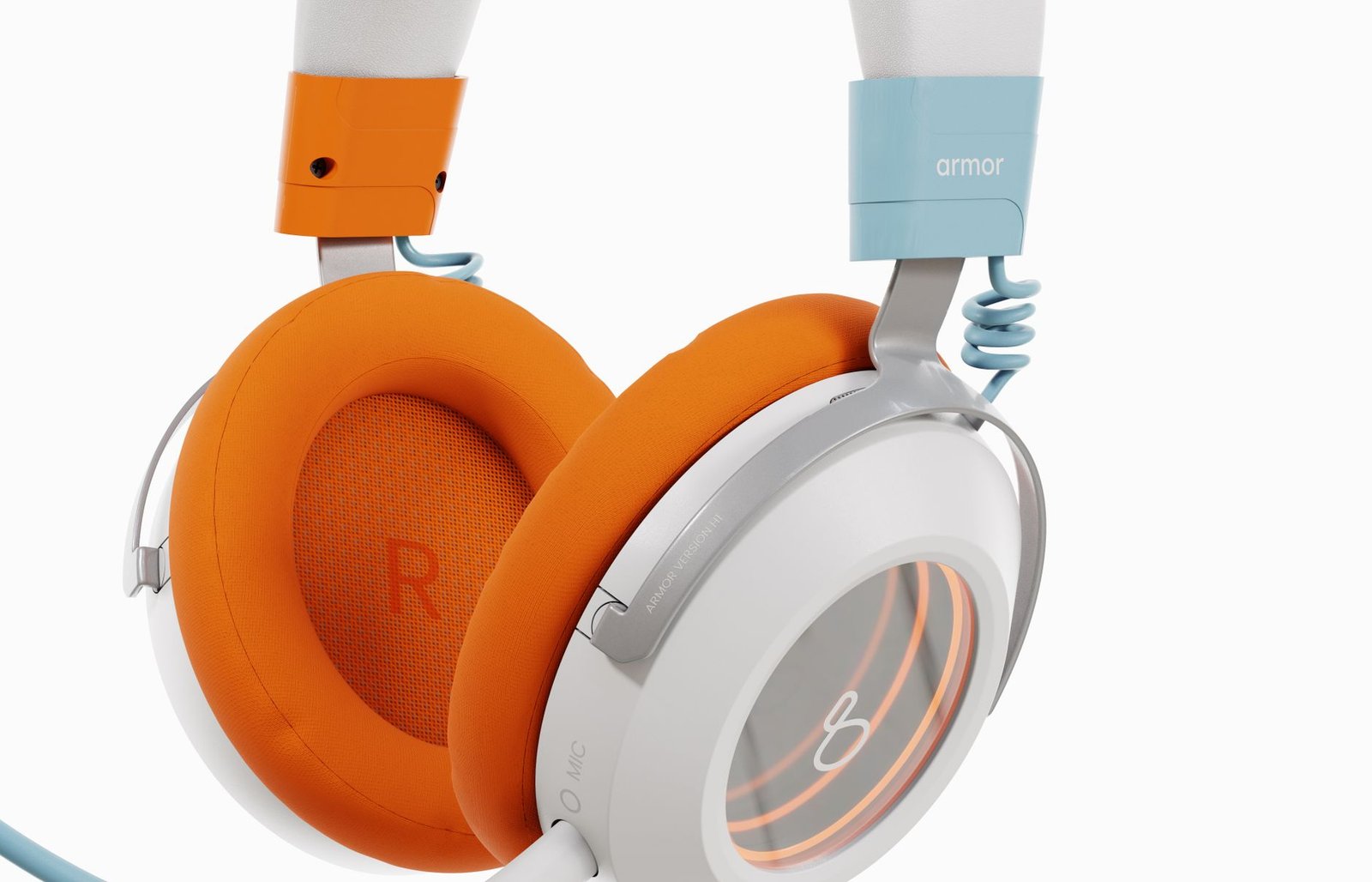
Imagine a world where premium-quality doesn’t necessarily come with a premium price tag. That’s the promise of Daisy Sound as it ventures into the crowded headphone market with its first offering. But does it deliver on that promise, and what does this mean for the future of audio technology?

- California-based startup Daisy Sound aims to redefine premium headphones.
- Priced at $399, they promise quality typically seen at higher price points.
- Chiseled-aluminum design combines aesthetic appeal with durability.
- Exploration of the balance between cost and performance.
- Potential shift in headphone market dynamics due to new competition.
Breaking into the Competitive Soundscape
The headphone industry is a battleground where giants like Sony and Bose continue to dominate. **Daisy Sound**, an ambitious startup from California, seeks to challenge this status quo. They’ve introduced their first headphones, priced at a strategic $399, targeting discerning audiophiles who desire high-quality audio without breaking the bank.
This move raises a critical question: how does Daisy Sound plan to compete? Their answer lies in the combination of **distinctive design and uncompromising sound quality**.
The Chiseled-Aluminum Gamble
A significant part of Daisy Sound’s appeal is their **chiseled-aluminum body**. While this choice adds a touch of elegance and robustness, it’s more than just aesthetics. Aluminum provides a balance of strength and weight that enhances durability without the heaviness that can cause discomfort during long wears. This material also aids in reducing unwanted vibrations that can distort sound, providing a cleaner audio experience.
Striking a Balance: Cost vs. Performance
In a market where price often correlates with quality, Daisy Sound steps into a unique space by offering **premium features at a mid-range price**. They argue that you shouldn’t have to pay exorbitantly for superior sound, positing that their headphones are perfect for users who refuse to compromise on quality but also seek value.
This is akin to buying a luxury sedan at the price of a compact car, where every detail, from the engine (or in this case, the audio drivers) to the finish, promises an experience of the higher end.
Technical Excellence Simplified
To make sense of their claim, let’s break down some of the tech inside. At the heart of Daisy Sound’s headphones are high-performance **audio drivers**. Drivers are the components that convert electrical signals into sound – think of them as miniature loudspeakers in your ears. Daisy Sound employs advanced drivers intended to deliver crisp, full-spectrum audio, allowing users to hear the nuances in their favorite tracks clearly.
Furthermore, these headphones boast **active noise cancellation** technology. Simply put, this feature listens for ambient sound and electronically neutralizes it, offering an immersive listening environment even in the noisiest of settings.
Crafting the User Experience
Daisy Sound’s design goes beyond the hardware. They emphasize an all-encompassing user experience, which includes ergonomic design for **maximum comfort** and **intuitive controls** for easy operation. By ensuring that every interaction feels seamless, the company not only appeals to audiophiles but also attracts casual listeners who value convenience and comfort.
The Future Soundscape: What Lies Ahead?
Daisy Sound’s bold entry offers a glimpse into a future where **technology democratizes access** to high-quality audio. This move could catalyze a shift in consumer expectations, forcing established players to reconsider pricing strategies and innovate further. As competition heats up, the beneficiary is ultimately the consumer, who may enjoy better quality products at more accessible prices.
As we observe the landscape evolve, Daisy Sound stands as a potential disruptor, challenging the norms and setting new benchmarks for what consumers can expect from their audio devices. Whether it’s bridging the gap between premium and affordable or reshaping user expectations, their impact could resonate far beyond the headphone industry, signaling a broader trend in consumer electronics.
