



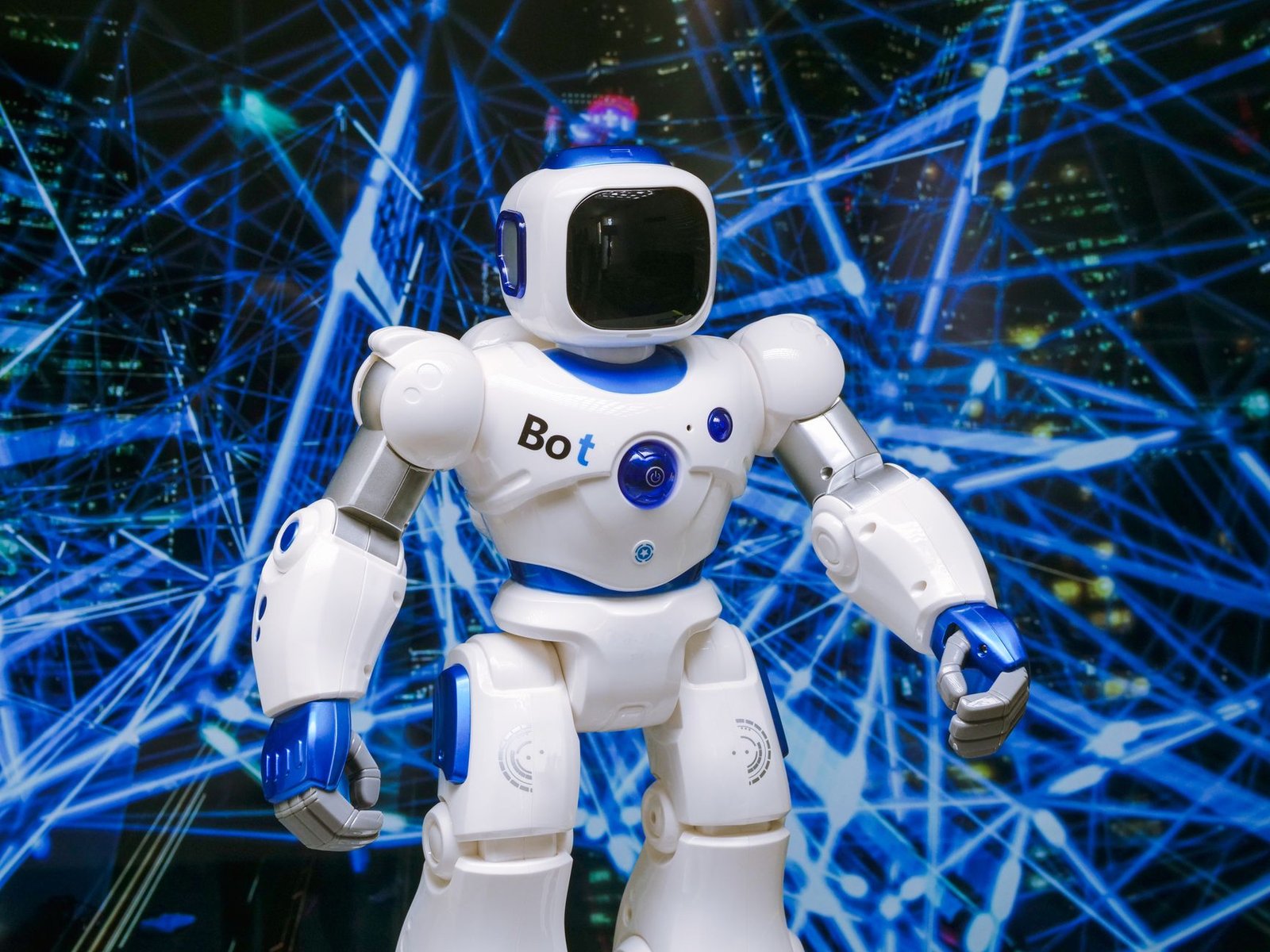
Imagine a world where skilled surgeons can perform precise operations from thousands of miles away, all thanks to humanoid robots. This scenario is rapidly becoming reality, as a pioneering medical experiment has demonstrated with the removal of gallbladders from living pigs.
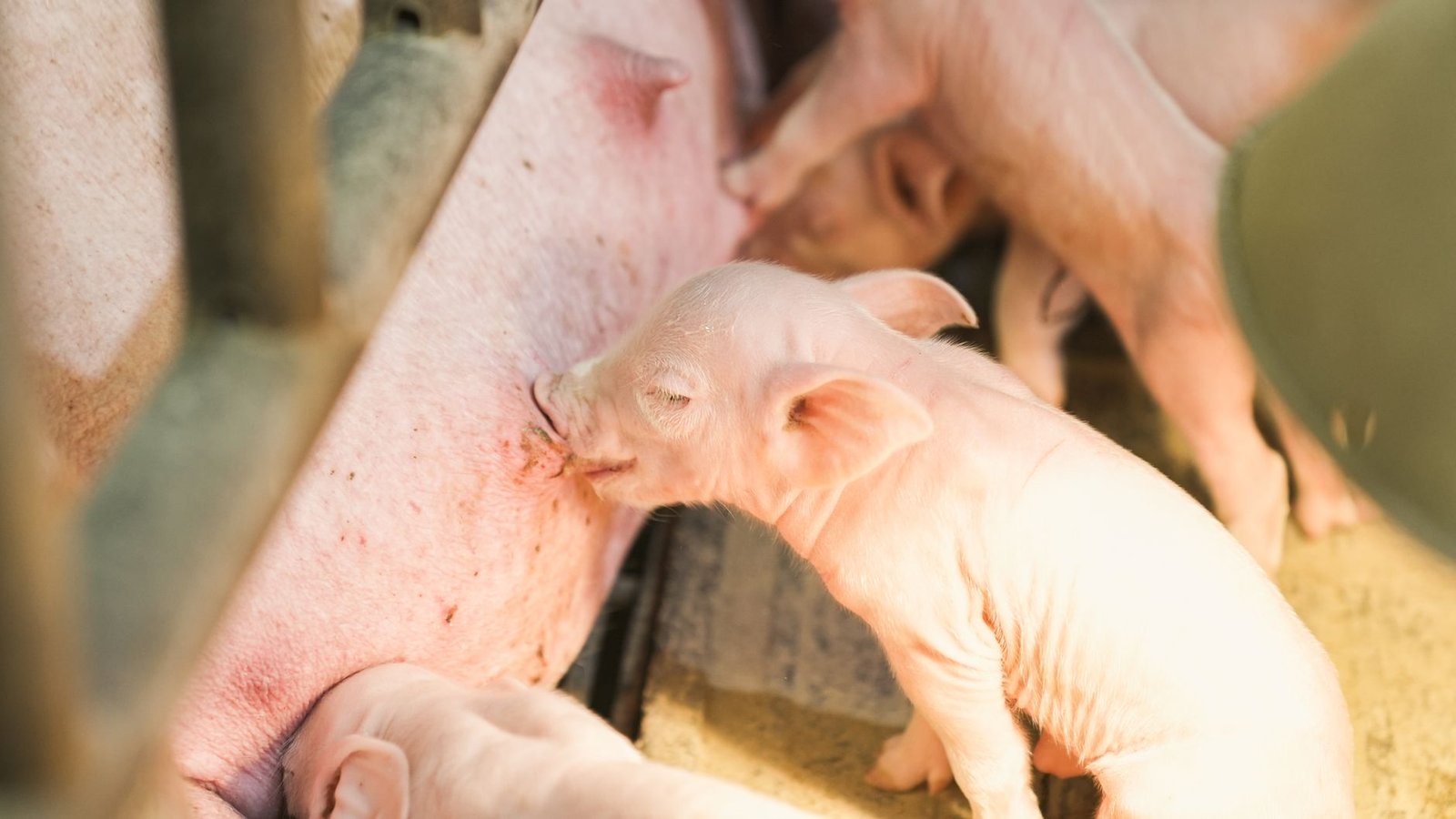
- Humanoid robots are facilitating advanced surgical procedures under human control.
- In a groundbreaking trial, gallbladders were successfully removed from live pigs.
- The procedure could bring high-tech surgical care to rural, remote, and resource-limited areas.
- This approach is cost-effective and space-saving compared to traditional surgical robots.
- Future implications include widespread accessibility and enhanced healthcare capabilities.
The Role of Humanoid Robots in Surgery
In recent advancements, humanoid robots have been employed not to replace human doctors but to work alongside them. These sophisticated machines have been remotely controlled by surgeons to complete two surgeries on live pigs, where they successfully removed the gallbladders. This event marks a significant milestone in the integration of technology within the medical field.
Teleoperation Explained
Teleoperation refers to remotely controlling a machine or device. In this context, surgeons direct the robot’s actions from a distance, using advanced controls and real-time feedback. This method ensures that the expertise of a human surgeon guides complex surgical tasks, leveraging the precision and steadiness of robotic systems.
Potential Impact on Smaller Healthcare Facilities
Should this method advance to being suitable for human patients, its implications are vast. Smaller hospitals, clinics, and even non-traditional settings like remote expedition bases could access top-tier surgical care without the need for prohibitively expensive traditional surgical robots.
Assistant Professor Shanglei Liu from the University of California San Diego School of Medicine highlights how these humanoid robots could be easily deployed in various environments, from rural areas to outer space. The technology’s smaller footprint and reduced costs make it especially appealing for locations that are typically underserved.
A Real-World Application: Remote Battlefields
Imagine a military medic who uses a humanoid robot to perform surgery on a soldier in the field, with guidance from a top surgeon located at a major medical facility. This scenario illustrates how remote teleoperation can extend expert medical care into the most challenging and inaccessible scenarios.
Challenges and Future Prospects
While the prospects are exciting, key challenges remain, such as improving the precision of robotic movement and ensuring the reliability of remote operations. However, the successful gallbladder removal on pigs is a promising step forward, indicating that these challenges are surmountable.
Looking ahead, the advances in teleoperated humanoid robots suggest a future where surgical procedures are no longer constrained by geographical boundaries. As the technology matures, we may witness a healthcare revolution that delivers advanced surgical care as easily to a rural clinic as to an urban hospital. This shift could democratize healthcare access globally, offering unprecedented levels of care to everyone, regardless of location.
