



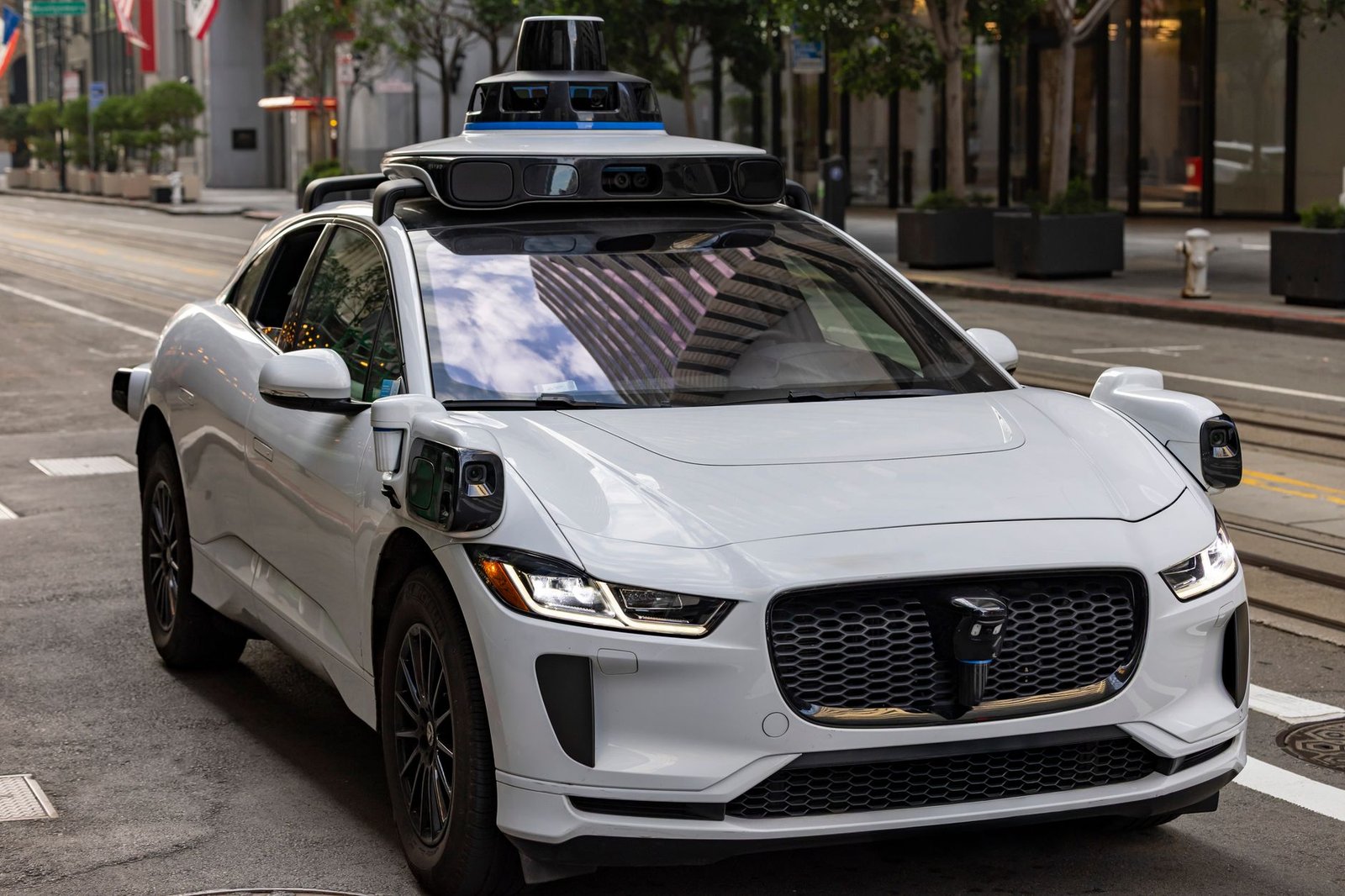
Imagine stepping into a car that drives itself through bustling California streets without the slightest hint of human intervention. It sounds like a scene from a futuristic movie, but this is the reality that Waymo is gradually bringing to life. And due to a quirk in the regulatory landscape, you might just enjoy these rides for free for a little while longer.
Key Takeaways
- The delay by a state agency enables Waymo to offer free robotaxi rides in California.
- Waymo’s autonomous vehicles operate through sophisticated AI and sensor technologies.
- This development highlights the growing acceptance and integration of AI in daily life.
- Potential implications for urban mobility and traffic management are profound.
Understanding the Regulatory Quirk
The unexpected twist in this saga involves a delayed decision by a state regulatory body. Normally, companies like Waymo charge passengers for their driverless rides, generating revenue for operational costs and technological advancements. However, due to unresolved regulatory approvals, these charges might not apply for the time being.
What Are Robotaxis?
**Robotaxis** are self-driving vehicles that operate as taxis, ferrying passengers from point A to point B without human drivers. They rely on a blend of **artificial intelligence (AI)** and **sensor technology** like cameras, radar, and lidar, which together create a detailed map of the vehicle’s surroundings, allowing for safe navigation through complex urban environments.
The Technology Behind Autonomous Vehicles
At the heart of Waymo’s technology lies an intricate web of AI algorithms that process data in real-time. Picture it like baking a cake; each sensor provides a specific ingredient, and the AI seamlessly combines these inputs to make decisions, from stopping at red lights to dynamically avoiding pedestrians or unexpected obstacles.
The Role of Artificial Intelligence
In the world of autonomous driving, AI plays the role of the vehicle’s brain. From interpreting traffic signals to predicting the behavior of cyclists, AI models are trained to react within milliseconds to a wide array of driving conditions, enhancing both efficiency and safety.
The Real-World Impact
Imagine you’re an avid fan of taking long leisurely walks on the vibrant streets of San Francisco. Now, with Waymo’s robotaxis potentially becoming a common sight, you could enjoy the freedom of autonomous travel without paying a dime—at least for the foreseeable future. This window presents a unique opportunity to experience firsthand what many believe is the next revolution in transportation.
Why This Matters
This regulatory pause hints at broader acceptance and integration of AI into our daily routines. As we continue to leverage AI technologies, their potential to reshape aspects of everyday life, from urban mobility to environmental impact, becomes increasingly evident. Imagine fewer traffic jams and more efficient public transport systems, made possible by an intelligent fleet of autonomous vehicles.
The Road Ahead
As Waymo navigates through this regulatory oversight, its robotic fleet represents not just an advancement in AI, but a profound shift in how we perceive and engage with technology. These cars are no longer just automated vehicles; they are moving proof of concept, indicating that a more efficient, AI-driven future is not a distant dream, but an evolving reality. With AI continuously refining its processes, who knows what transportation advancements await us on the horizon?
