

Imagine a world where our closest celestial neighbors aren’t just the Moon and the planets in our solar system. With the ground-breaking rendezvous of China’s Tianwen-2 space probe with Earth’s quasi-moon, we are a step closer to exploring these mysterious companions of our planet. This marks a thrilling chapter in space exploration that blurs the lines between science fiction and our expanding reality.
Key Takeaways
- The Tianwen-2 mission is a part of China’s broader ambition to establish a significant presence in space exploration.
- It successfully captured images of the asteroid Kamo’oalewa, Earth’s quasi-moon, paving the way for future discoveries.
- A critical aspect of the mission is landing on the asteroid to collect samples for detailed analysis back on Earth.
- This endeavor showcases technological advancements in space missions and AI’s role in data processing.
- The mission’s success could set precedence for future Earth-guided cosmic explorations with AI at their core.
Understanding Earth’s Quasi-Moons
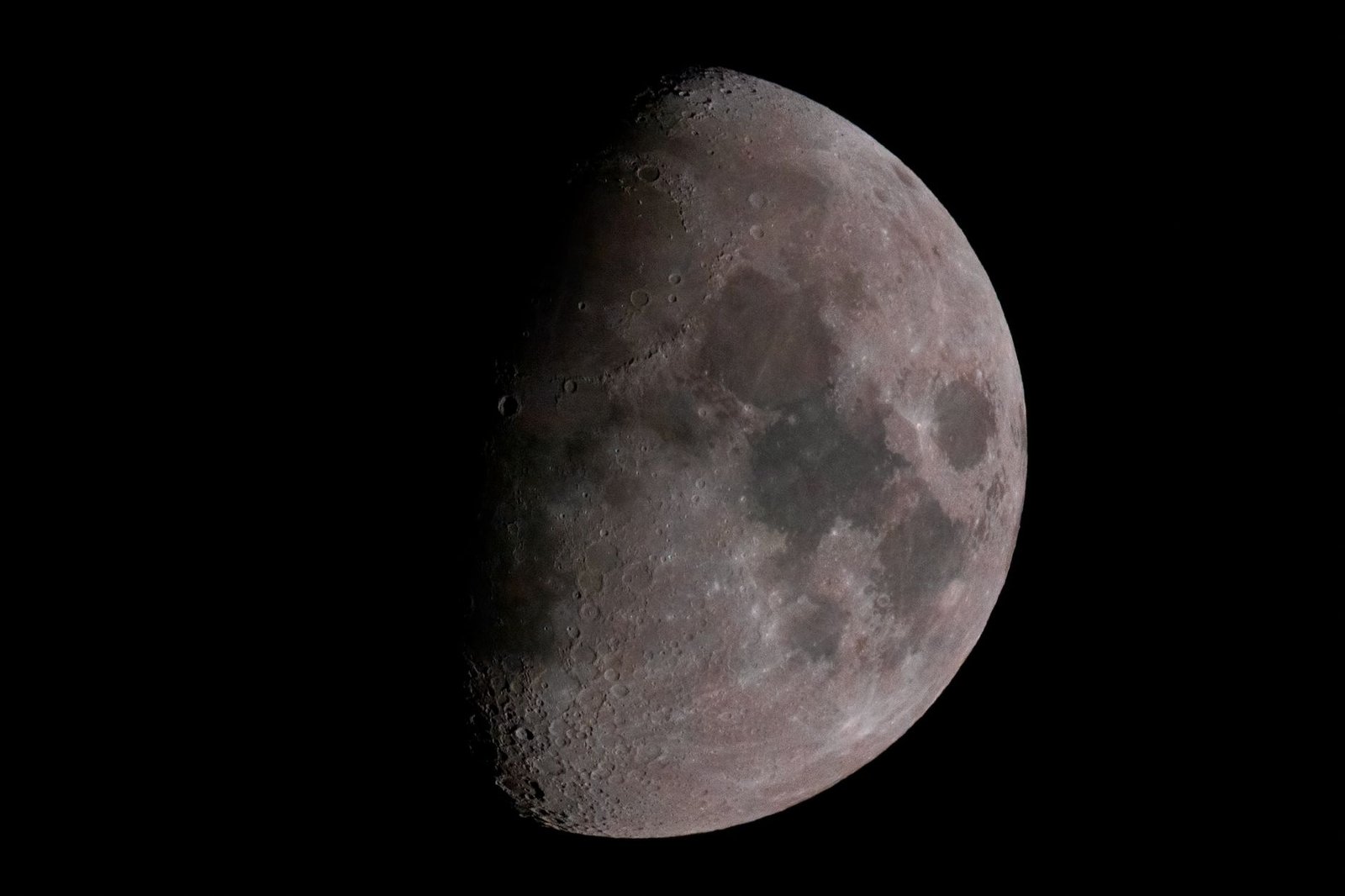
Before diving into the details of the Tianwen-2 mission, it’s important to understand what **quasi-moons** are. Unlike our single Moon, quasi-moons are celestial objects that share a similar orbital path around the Sun as Earth. They are not bound by Earth’s gravity, like traditional moons, but follow a parallel journey, sometimes getting close enough to be considered orbiting companions.
The Mission of Tianwen-2
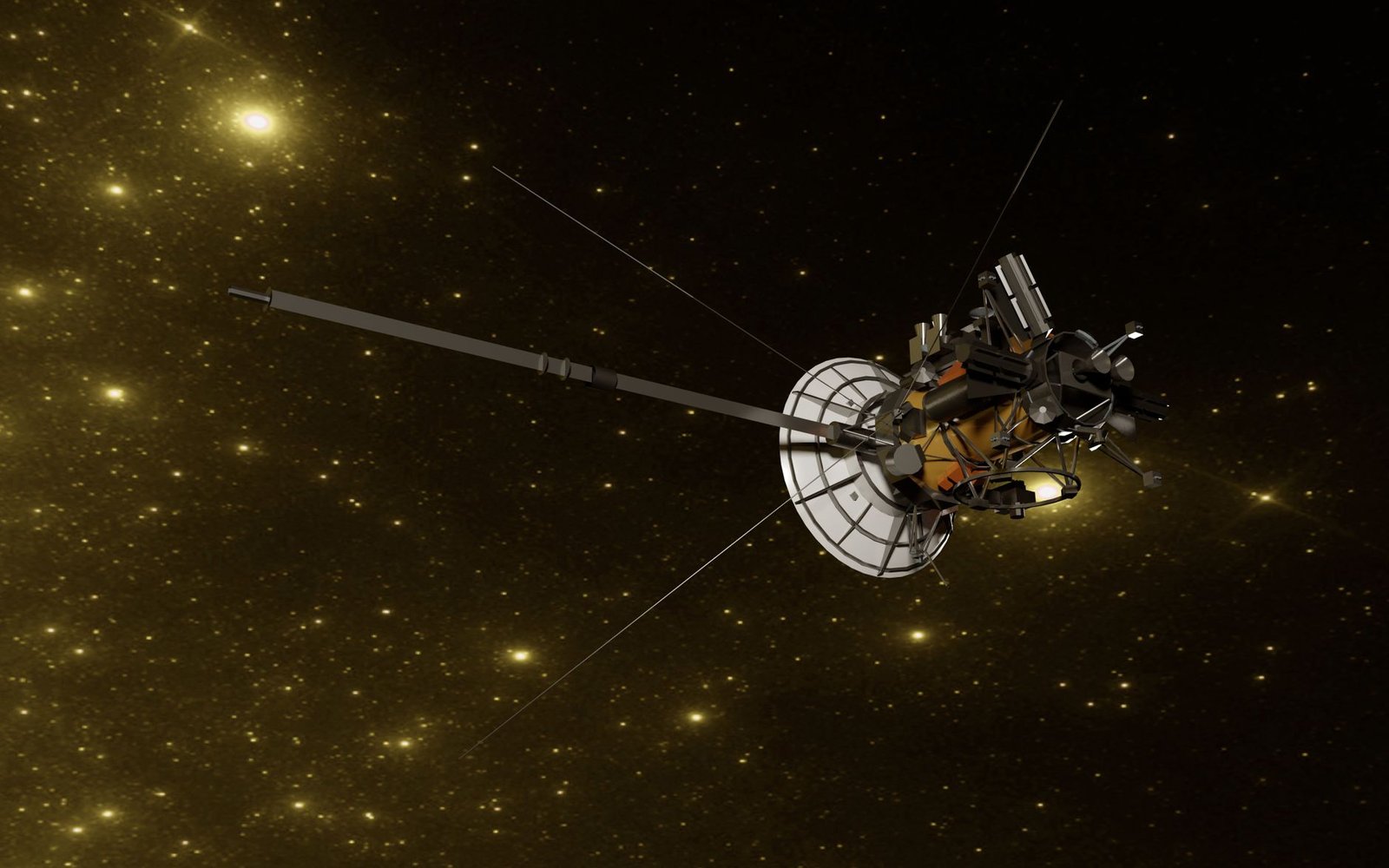
China’s Tianwen-2 space probe, named after the ancient Chinese philosophical text meaning “Heavenly Questions,” has set its sights on one such quasi-moon named **Kamo’oalewa**. Its mission is not just a first encounter but part of an ambitious plan to land on this asteroid and bring back samples to Earth. This task requires precision engineering and advanced technology, much of which is enhanced by modern **AI algorithms**. These algorithms analyze the data sent back to Earth, helping scientists make real-time decisions and navigate the complexities of space travel.
Capturing the First Images
The initial success of the Tianwen-2 lies in its ability to send back clear images of Kamo’oalewa. This step confirms both the probe’s ability to maintain the delicate balance required to stay near a quasi-moon and its communication capabilities. These images provide vital information, like the asteroid’s size, composition, and terrain features, which are crucial for planning the subsequent landing and sample collection phase.
The Science Behind Sample Collection
Collecting samples from an asteroid might sound like something out of a science fiction novel, but it is a pivotal method for gathering information about the early solar system. The dust and rocks on an asteroid’s surface are like time capsules, potentially holding clues to the **origin of Earth’s water** and, perhaps, life itself. The Tianwen-2 mission aims to carefully land a rover equipped with **robotic arms** and other tools designed to scoop up and store these valuable samples securely.
The Role of AI in Space Exploration
The success of the Tianwen-2 mission is not only a testament to human ingenuity but also to the role of **Artificial Intelligence** in modern-day space exploration. AI systems aboard the probe assist with autonomous navigation, obstacle avoidance, and data transmission back to mission control. Comparable to the way GPS guides us in navigating unknown terrains on Earth, AI enables the probe to map its route through the cosmos, making split-second decisions without human intervention.
Real-World Analogy: Driving a Complex AI-Powered Rover
Imagine driving a high-tech, self-operating car through a city you’ve never visited and one where GPS doesn’t work. What if your car, endowed with advanced AI capabilities, could detect its surroundings, anticipate traffic patterns, and find the safest and fastest way to your destination, all on its own? That’s similar to how AI empowers space probes such as Tianwen-2 to travel vast distances in the cosmic unknown, overcoming obstacles without immediate human guidance.
What This Means for the Future of AI and Space Exploration
The implications of the Tianwen-2 mission extend far beyond capturing images and collecting cosmic samples. As we continue to push the boundaries of our knowledge and the capabilities of our AI technologies, the potential applications become limitless. Could AI-enabled probes venture further into our galaxy—or even beyond—bringing back knowledge and resources we currently only dream about?
As we ponder these possibilities, AI’s role in space missions like Tianwen-2 serves as a powerful reminder of technology’s potential to radically transform our understanding of the universe and our place within it. With each successful endeavor, we edge closer to a future where AI and human curiosity jointly chart paths once considered unreachable, embarking on adventures limited only by our imagination.
