



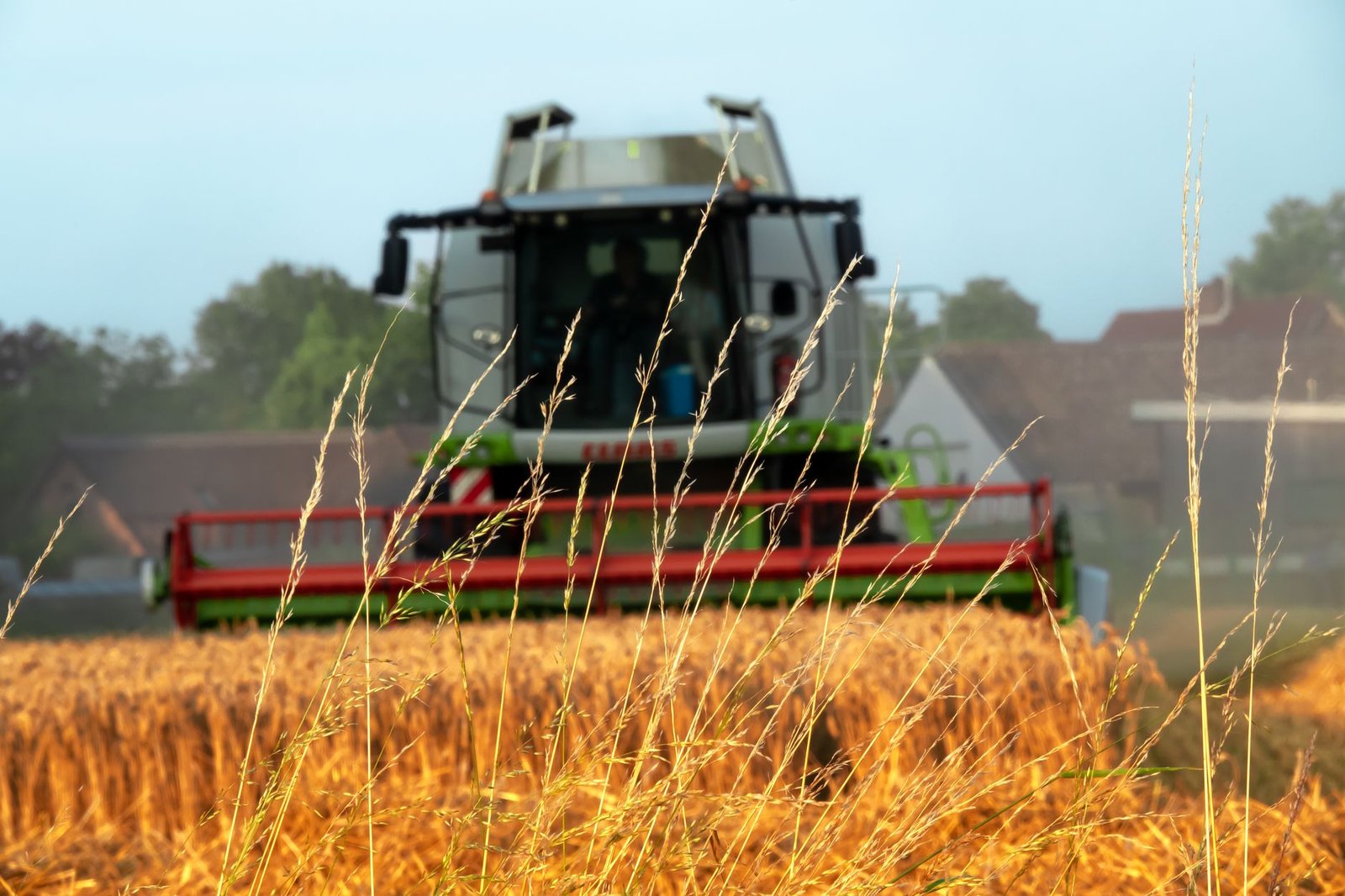
Imagine a world where agriculture isn’t just a practice but a finely tuned symphony of technology and tradition. With the help of Artificial Intelligence (AI), John Deere is tuning the orchestra, aiming to reshape how farmers cultivate the future.
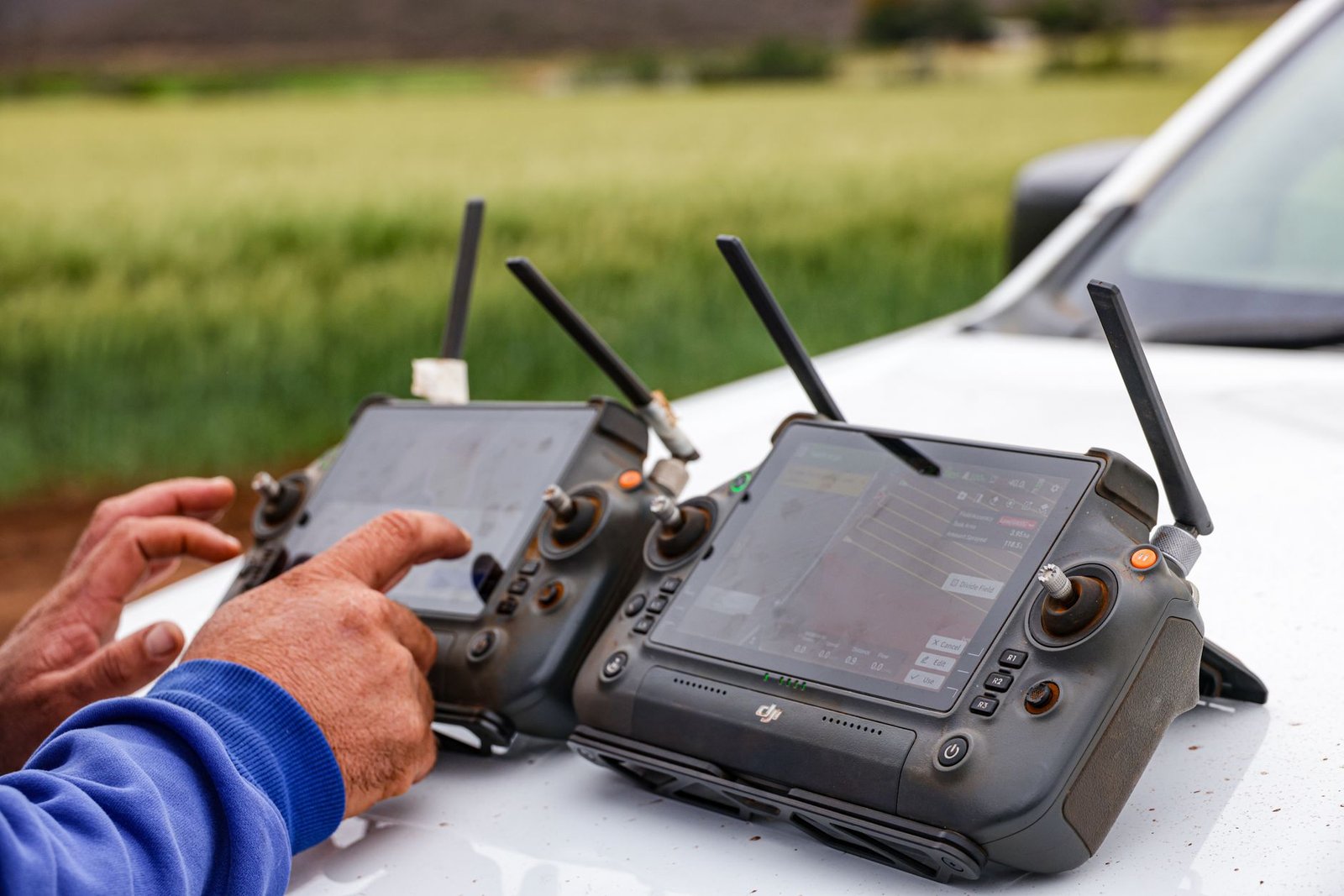
- John Deere employs AI to boost efficiency and sustainability in farming.
- Machine learning models are utilized for predictive insights into agricultural operations.
- AI empowers farmers with data-driven tools to optimize crop yield.
- Innovative solutions support both large-scale and smallholder farms alike.
- The transformation of agriculture with AI paves the way for future technological advancements in the industry.
The Role of AI in Modern Farming
John Deere is spearheading a revolution by blending **AI technology** with time-honored farming techniques. The goal is simple yet profound: enable farmers to **work smarter** and **increase productivity**. AI technologies leverage **machine learning algorithms**, which are computer programs that can learn and make decisions from data, to deliver data-driven insights that help farmers make more informed decisions.
The key lies in real-time analysis, allowing farms to adapt to changing conditions almost instantaneously. For instance, sensors capturing moisture levels and weather conditions in the field feed into AI models to predict the best time to plant or harvest, maximizing efficiency and minimizing waste.
Unpacking the Innovation: AI Tools at Work
Justin Rose from John Deere shares how AI is not just an add-on but a radical rethinking of farm management strategies. Take, for example, the use of **machine learning models**, which analyze historical data to predict future scenarios. Such models help farmers assess pest outbreaks or disease patterns, enabling preemptive actions.
This predictive insight is akin to having a crystal ball for agriculture, where **data-driven decisions** lead to smarter, more effective farming practices. One practical analogy is comparing AI’s role to that of a personal assistant who anticipates your needs before you even express them, ensuring that you’re always a step ahead.
Real-World Impact: Sustainable and Efficient Farming
Sustainability is another cornerstone of John Deere’s AI-driven innovations. By using AI, farmers can precisely apply irrigation and fertilizers, reducing excess and promoting environmental health. This is particularly beneficial for smallholder farms, which often struggle with limited resources and require smart solutions to thrive.
Think of it as upgrading from a manual typewriter to a modern computer. Where once each action required painstaking effort and calculation, AI facilitates seamless, precise operations that are both eco-friendly and cost-effective.
Why This Matters: The Future of Agriculture
By integrating AI with agriculture, John Deere isn’t just enhancing conventional practices—they’re actively shaping the future narrative of farming culture around the world. This integration paves the way for a more **resilient and adaptive agricultural industry**, one that can handle the global challenges posed by climate change and a rapidly growing population.
The implications are vast: as AI continues to evolve, its combination with agricultural technology promises **greater food security**, improved **livelihoods for farmers**, and a more harmonious balance with our environment.
Looking ahead, John Deere’s innovative approach highlights how AI can be a pivotal force for **positive change**. As new capabilities emerge, their potential applications in agriculture are boundless, hinting at a future where technology and nature work in concert to sustain our planet.
