



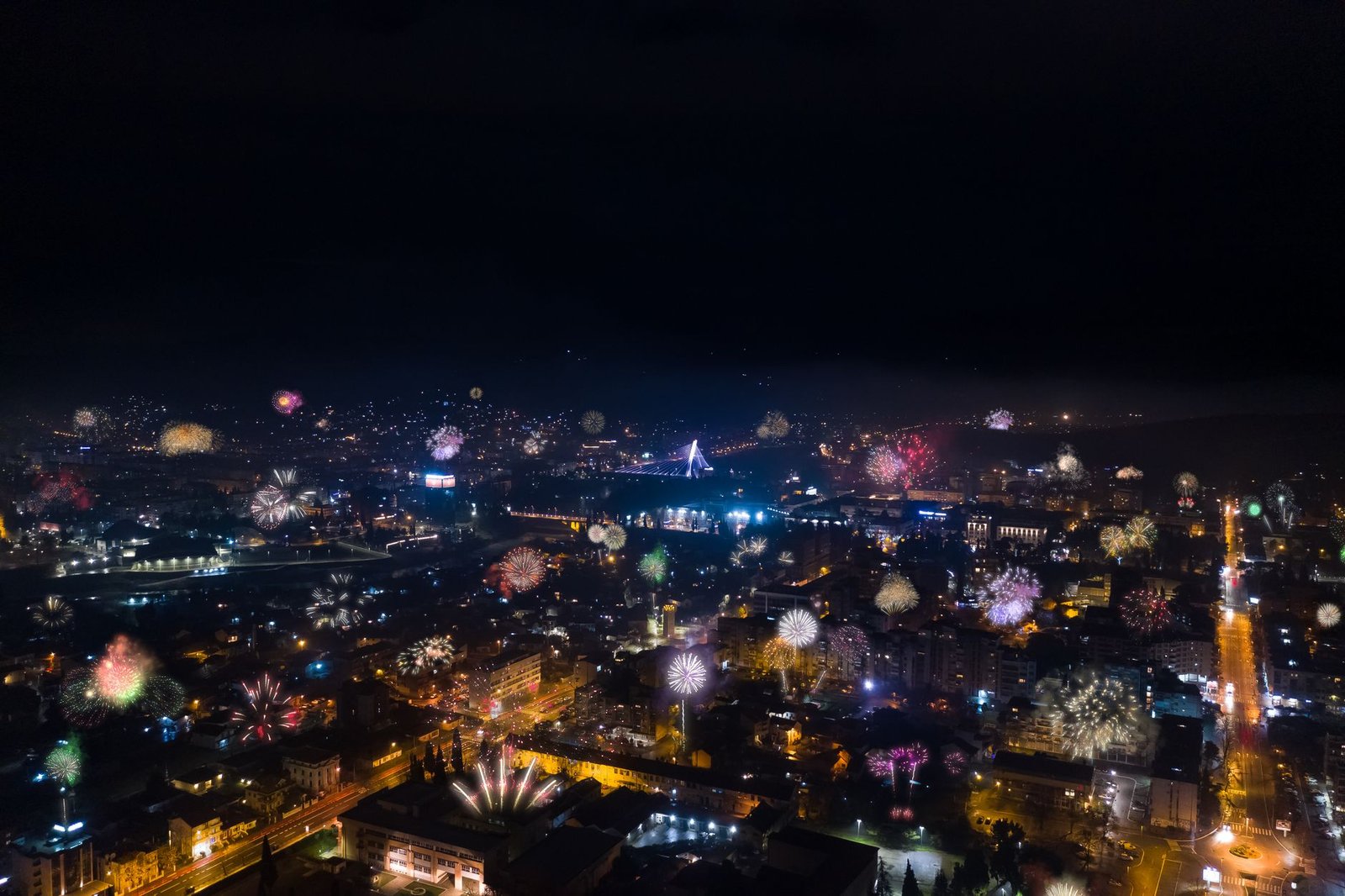
As fireworks light up the sky in dazzling displays, an unlikely guardian watches from above—drones. This year, more cities leveraged these high-tech sentinels to keep Fourth of July celebrations safe, drastically changing how illegal fireworks are monitored and penalized.
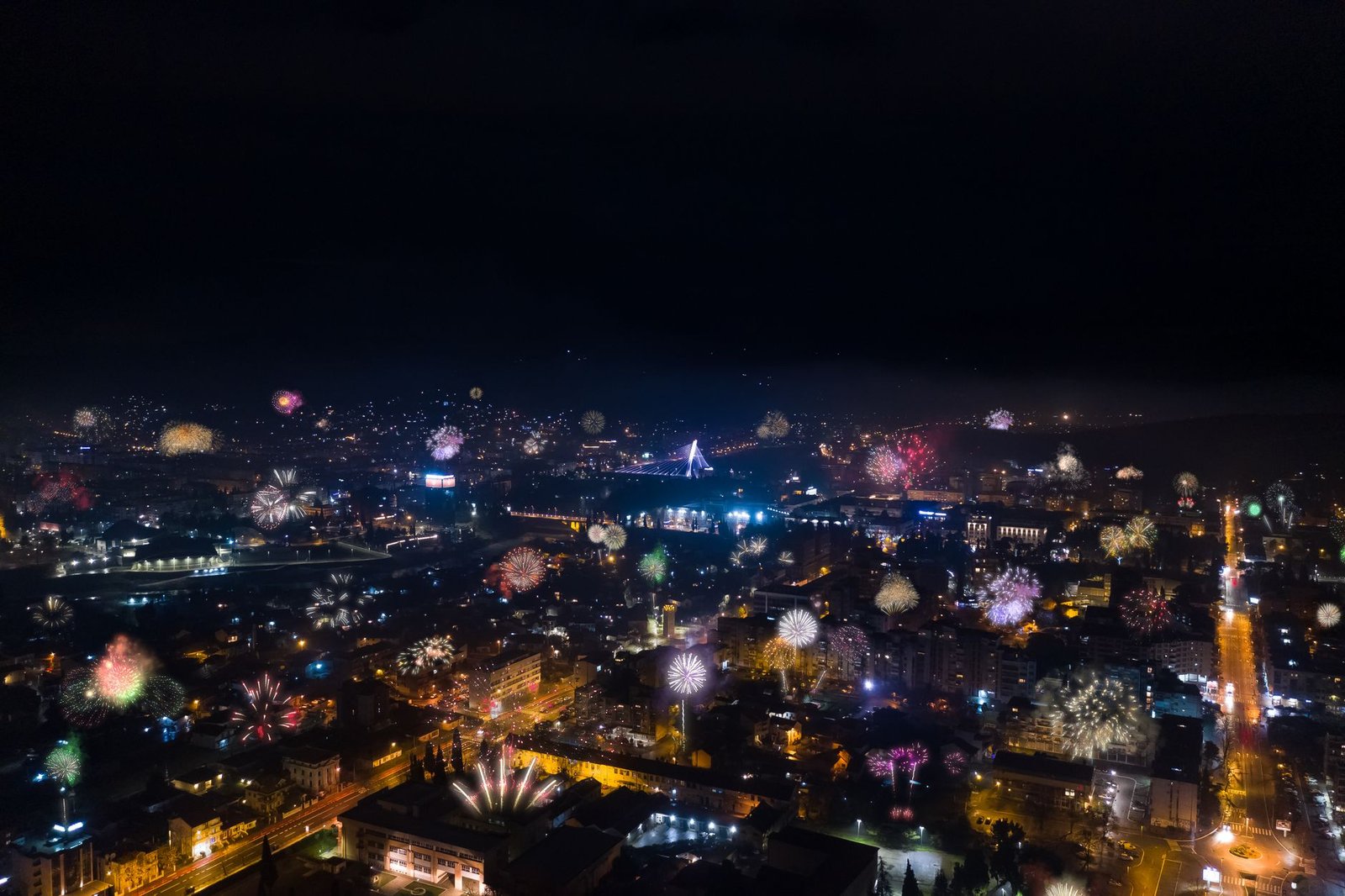
- Drones are increasingly used to surveil illegal fireworks.
- The use of drones led to a $100,000 fine for fireworks violations.
- Drone footage helps pinpoint offenders and deters future violations.
- Surveillance enhances public safety by preventing fires and injuries.
- This trend reflects a broader move towards tech-driven law enforcement.
The Rise of Drones in Firework Surveillance
Many cities are turning to drone technology to crack down on illegal firework displays during America’s most festive holidays. This new strategy stems from a critical need to prevent the hazardous consequences of unauthorized pyrotechnics, which include fires, injuries, and disturbances to communities.
Why Drones? The New Eye in the Sky
Drones offer a distinct advantage for law enforcement. Unlike traditional monitoring methods, drones provide aerial views that easily capture high-resolution video footage, making it harder for offenders to hide. Think of drones as automated agencies that stand ready to gather data with precision. For example, the Sacramento Fire Department recently used drones that enabled them to impose a hefty $100,000 fine based on clear video evidence of illegal activity.
The Dual Impact of Technology and Fines
These aerial enforcers are part of a dual strategy: technological vigilance combined with significant monetary consequences. Capturing misconduct on video allows departments like the Sacramento Fire Department to identify specific violators efficiently, using tools as simple as Google Maps to locate exactly where illegal activities occur.
Reducing Risks and Damages
Illegal fireworks present serious risks, from large-scale fires to personal injuries and fatal incidents. Additionally, they contribute to air and noise pollution, disrupting peaceful residential neighborhoods. By using drones, authorities can significantly diminish these risks by proactively deterring and capturing illegal activities before they escalate into larger problems.
Real-World Implications
Consider drones as digital “watchdogs.” Much like security cameras have become commonplace in urban areas to deter crime, drones serve a similar purpose in the sky. This approach ensures that celebrations remain safe and within legal boundaries while protecting citizens and property.
The Changing Face of Public Safety
Law enforcement agencies are not just adopting drones for fireworks. They’re part of a broader movement toward technology-catalyzed policing. By using drones, departments can effectively manage public safety issues through intelligent surveillance while reducing human resource limitations and safety risks.
Looking Ahead: A Future Defined by AI
The increasing reliance on drones signals a new era where AI-driven technologies will play a vital role in public safety and regulation. As these technologies become more embedded in everyday policing and surveillance activities, we can expect even more sophisticated applications and integrations. In the future, drones equipped with AI could potentially predict firework launch sites based on historical data, helping authorities to act even before violations occur.
In this evolving landscape, embracing drone technology for public safety not only elevates enforcement capabilities but also reshapes our understanding of how AI can be a force for good. As we advance, these digital assets will continue to transform from mere surveillance tools to proactive protectors, ensuring festivities remain joyous and, more importantly, safe.
