



In the bustling aftermath of a disaster, every moment counts. When traditional search and rescue methods fall short, **snake-like robots** slithering through rubble can be lifesaving game-changers. These advanced robots made headlines in Venezuela, dramatically enhancing the ability to find earthquake survivors where human efforts struggled.
Key Takeaways
- Snake robots aid search and rescue by accessing hard-to-reach areas.
- They are equipped with cameras to help visually extend rescuers’ reach.
- The technology represents a fusion of innovation and practical application.
- It’s akin to performing “minimally invasive surgery” on damaged structures.
- This innovation highlights AI’s potential to revolutionize emergency response.
The Advent of Snake Robots in Rescue Missions
Following the devastation in Venezuela, where two catastrophic earthquakes left thousands dead and injured, **snake robots** emerged as vital assets. Designed to crawl through tight spaces that are inaccessible to humans or machinery, these robots represent a significant advancement in technology. They can navigate chaotic environments posed by destroyed buildings, performing tasks that would otherwise endanger human lives.
How Do Snake Robots Work?
Much like real snakes, these robots are flexible and agile, capable of maneuvering through debris-filled spaces. Equipped with **video cameras**, they provide a detailed view of the internal chaos within collapsed structures. Think of it as a high-tech endoscopy procedure but applied to buildings rather than bodies. These robots enter confined areas and relay critical information back to rescuers, acting as the eyes of those who painstakingly search for signs of life.
The Impact of Innovative Technology
Snake robots have added a new dimension to search and rescue operations. Traditional methods, such as trained dogs and seismic sensors, have their limitations. These robots, however, offer a breakthrough by combining the shrewd navigation of animals with the discerning eye of modern technology. As Howie Choset from Carnegie Mellon University describes, using snake robots is akin to **”performing minimally invasive surgery on a structure.”** This analogy highlights their ability to delicately and accurately penetrate piles of rubble without disturbing the possibly precarious stability of a site.
A Real-World Example
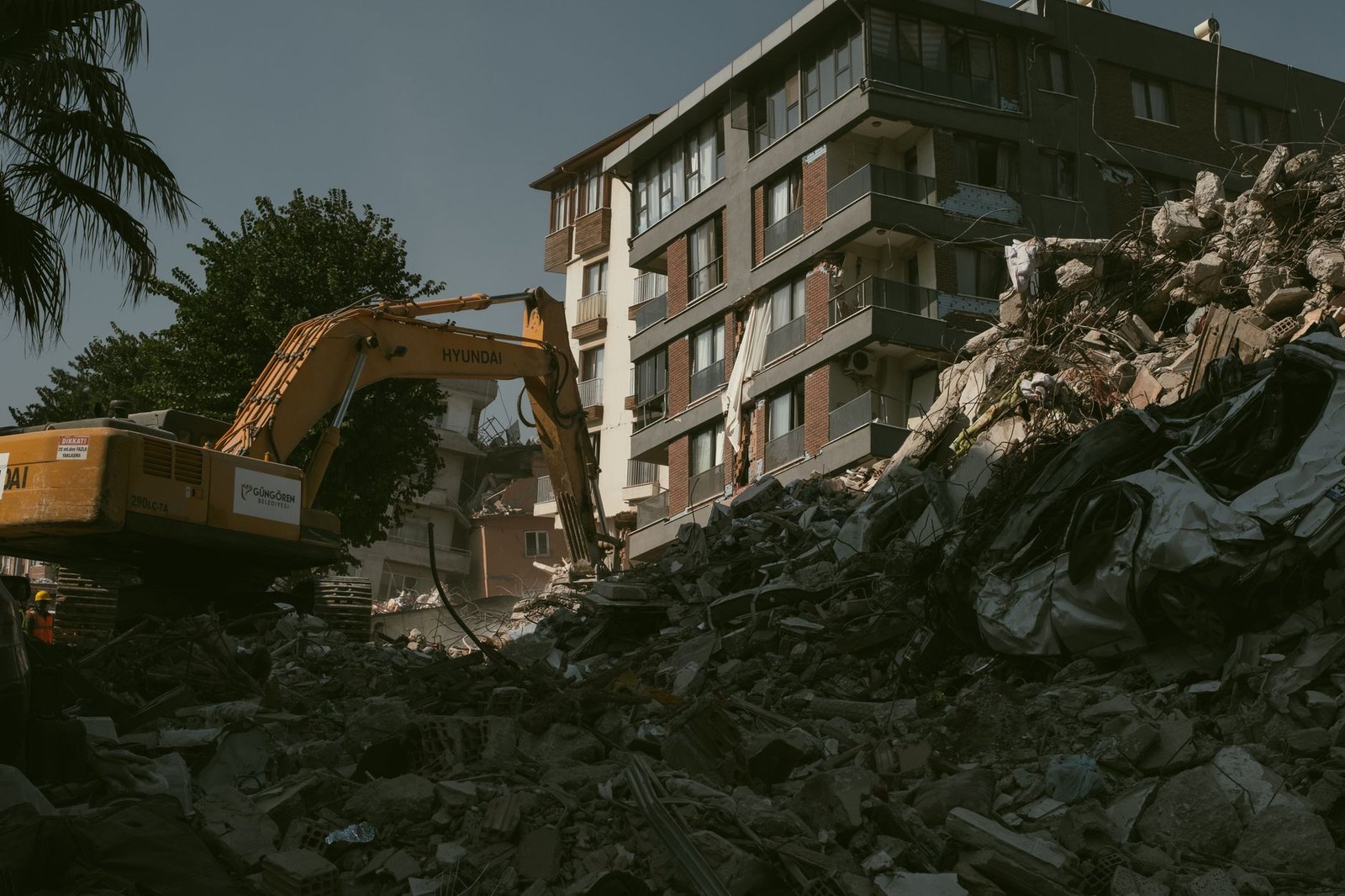
Imagine the aftermath of the twin earthquakes in Venezuela as a multi-layered game of pick-up sticks, where each piece is symbolic of concrete, steel, and brick debris. Now, consider the prowess of these snake robots as capable of diving into this heap, unearthing insights crucial to rescue efforts, much like an advanced metal-detector finds treasure hidden beneath the sand. Amidst the chaos, these technological marvels can identify heat signatures or movement, ensuring that no survivor remains undiscovered.
Looking Forward: The Future of AI in Rescue Operations
As artificial intelligence continues to evolve, so does its potential to transform disaster response strategies. The successful deployment of snake robots in Venezuela is a significant milestone underscoring the promise of AI technologies in emergency scenarios. Looking ahead, as these machines become more advanced and autonomous, they will be more integral to international rescue operations, especially in scenarios where human intervention is risky. Such innovations underscore that, even in the face of great adversity, technology offers light at the end of the tunnel, enabling timely response and saving countless lives.
