


The extraordinary journey of AI into the realm of competitive gaming has peaked curiosity worldwide. What’s behind this fascination is the OpenAI Five Benchmark, a remarkable demonstration of what artificial intelligence is capable of when it enters the esports arena. This isn’t just about playing a game; it’s a monumental step in AI evolution.
Key Takeaways
- The OpenAI Five Benchmark showcases AI’s ability to handle complex tasks.
- AI in gaming is a testing ground for real-world applications.
- Understanding how AI learns through reinforcement is critical.
- Future implications of AI in strategic decision-making are profound.
The Fascination of AI in Gaming
Video games like “Dota 2” offer intricate, realistic environments full of dynamic variables. This makes them a fertile ground for testing artificial intelligence. The OpenAI Five is a specialized AI created to play “Dota 2,” a popular multiplayer online battle game. By successfully competing against world-class human players, it has proven its capability in strategic decision-making and real-time adaptability.
Understanding Reinforcement Learning
At the heart of OpenAI Five lies reinforcement learning, a type of machine learning where an AI learns how to achieve goals by interacting with its environment. Imagine teaching a pet to sit by giving it a treat when it does; this is similar to how AI is rewarded for making optimal decisions during the game, honing its strategies over time.
A Technological Tour de Force
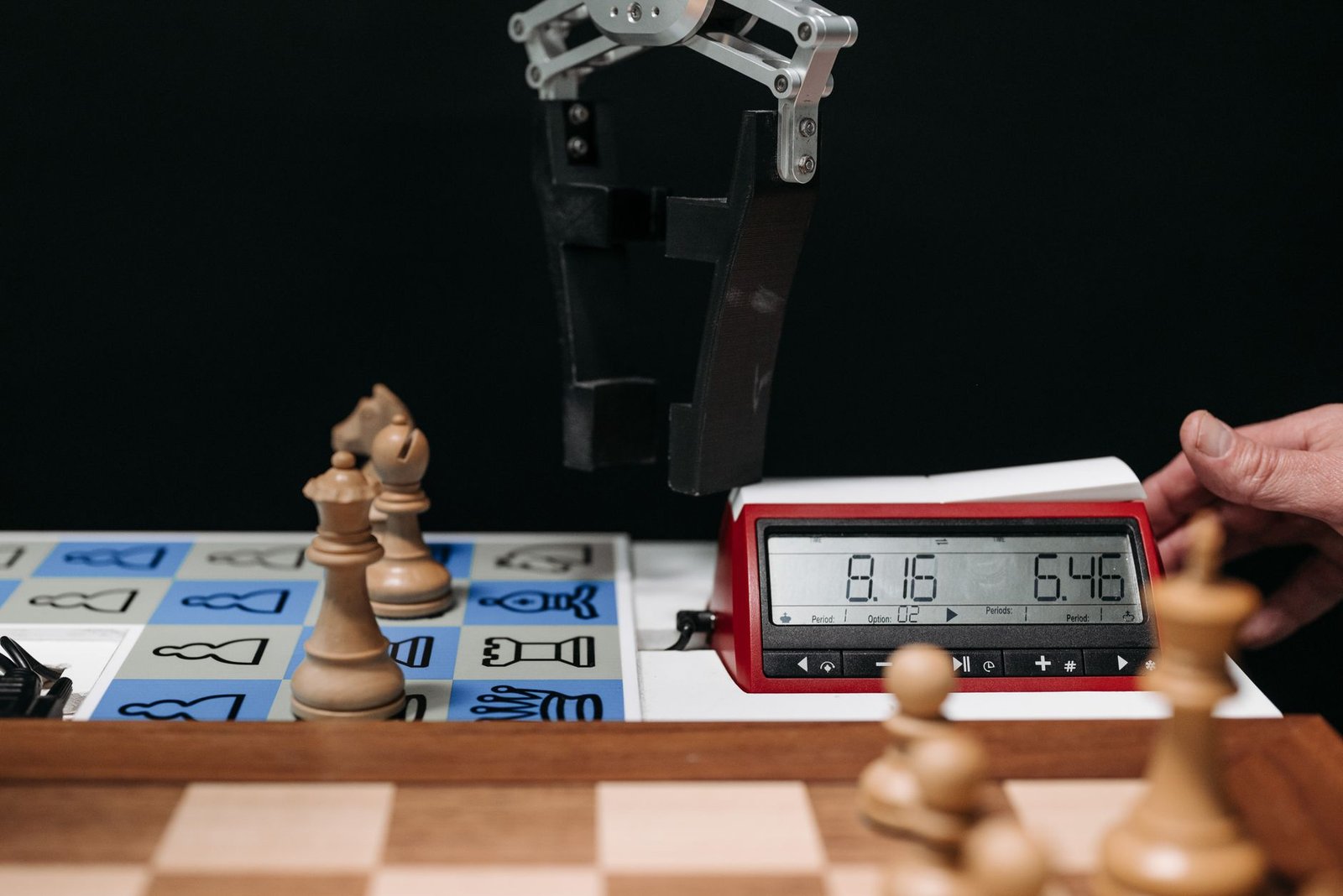
What sets the OpenAI Five apart is its ability to process vast amounts of information and compute strategies in real time. Consuming terabytes of game data, it refines its actions to outsmart opponents. To put this in perspective, consider a chess grandmaster who anticipates an opponent’s move several steps ahead. The AI does this but across thousands of simultaneous variables, demonstrating immense computational prowess.
Analogy to Real-world Applications
Imagine AI as a seasoned chef in a bustling kitchen. While cooking, the chef juggles numerous tasks: slicing vegetables while ensuring the soup doesn’t overflow and timing the main course with perfection. Similarly, AI in “Dota 2” manages complex strategies and cooperations, akin to how future AI systems could orchestrate logistics in real-world supply chains, optimize traffic flows, or manage financial portfolios.
Implications for the Future
The success of the OpenAI Five Benchmark holds significant ramifications beyond gaming. By proving AI’s competence in handling chaotic, strategic environments, it opens doors to advanced applications where decision-making is key. Industries from healthcare to autonomous vehicles can benefit, using similar AI models to predict outcomes, optimize strategies, and streamline operations.
Looking Forward
As we venture into an era where AI continues to grow in influence, the lessons learned from gaming benchmarks like OpenAI Five will be pivotal. The blend of human-like adaptability and machine-driven precision can transform how we approach complex problems, heralding a future filled with intelligent solutions. Will AI redefine the landscape of human decision-making? The potential is immense, and the journey has just begun.
