


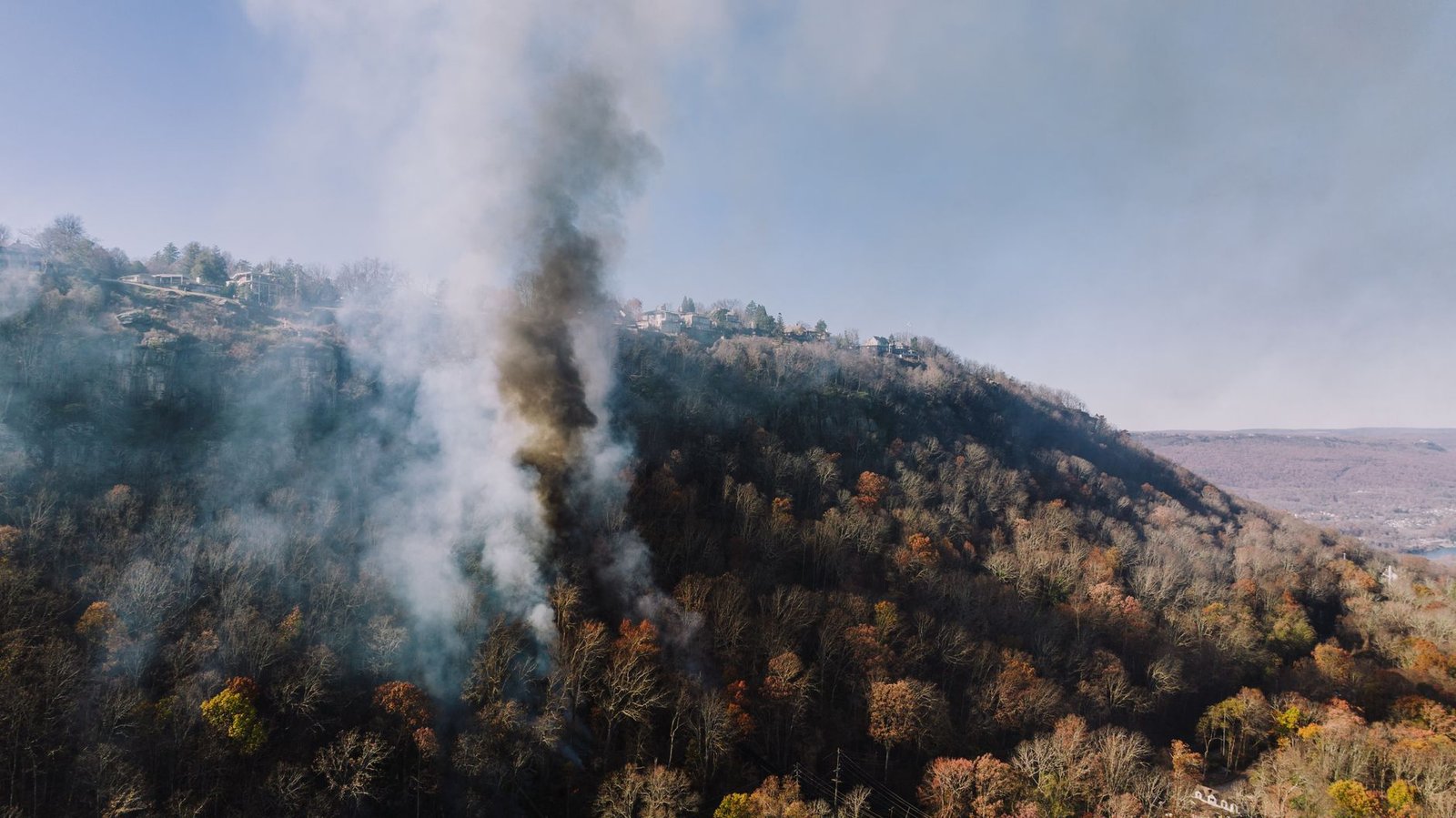
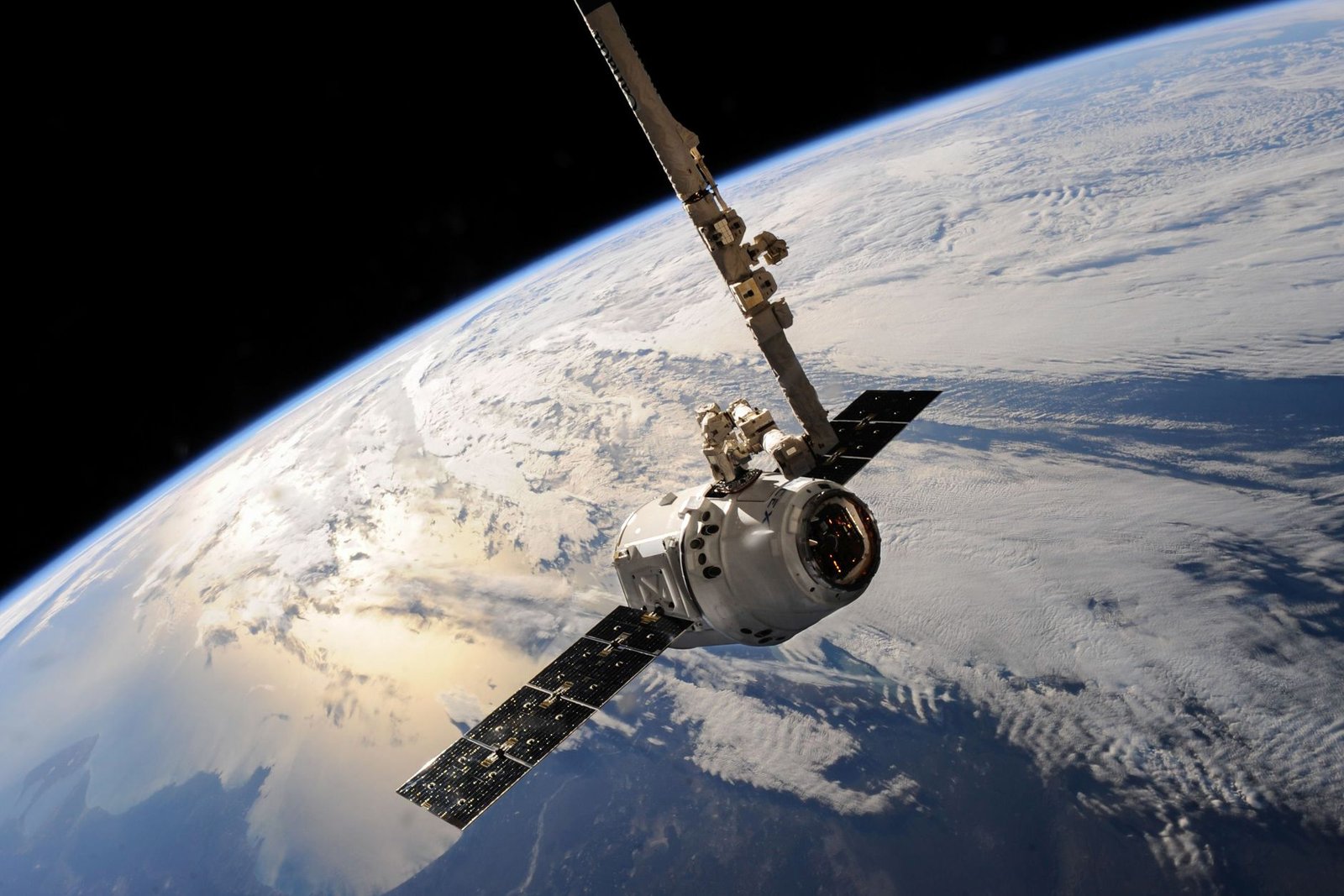
As wildfires increasingly ravage landscapes across the globe, a new ally has emerged from the skies to help combat the flames: the FireSat satellites. Launched recently, these satellites promise to revolutionize how we detect and manage wildfires, providing a beacon of hope for affected regions worldwide.
Key Takeaways
- FireSat satellites provide early detection of wildfires, spotting small fires that may easily be missed.
- Funded by significant players like Google and the Bezos Earth Fund, demonstrating the importance of AI in climate monitoring.
- Launched using SpaceX technology, highlighting inter-industry collaboration for global benefits.
- Crafted by Muon Space, these satellites will cover fire-prone areas at least twice daily.
- The initiative serves as a model for using AI in environmental protection and disaster management.
The Revolutionary Launch of the FireSat Satellites
On July 7th, 2026, a SpaceX Falcon 9 rocket soared to the skies, carrying with it the first operational satellites of the FireSat program. Originating from the Vandenberg Space Force Base in California, this marked a significant milestone as the world moves towards better wildfire management through advanced technology.
Understanding the FireSat Program
The FireSat constellation is a bold initiative designed specifically for detecting wildfires. This satellite network is engineered to identify even the smallest fires, which can often evade detection by conventional monitoring systems. Controlled by the nonprofit Earth Fire Alliance, these satellites aim to transform how we perceive and handle wildfires, ensuring prompt response times by providing real-time alerts.
Backing the Vision: Financial Giants Join Forces
Creating such an ambitious program requires substantial backing, and the FireSat project has not fallen short. With over $15 million contributed by Google, the endeavor has garnered the attention of numerous stakeholders committed to tackling climate change. Furthermore, the Bezos Earth Fund’s investment of $26 million underscores the global significance of this technology. Such funding not only propels the technological development but also indicates a promising future for environmental monitoring through AI.
How FireSat Enhances Wildfire Management
The introduction of FireSat initiates a novel approach to combating wildfires. By providing coverage of vulnerable areas worldwide at least twice a day, these satellites ensure a constant eye on potential fire outbreaks. But how exactly do they work?
Similar to the way a lighthouse serves ships at sea, FireSat provides early signals to firefighting agencies. Once a fire is detected, the satellites process data and relay it back to Earth in real-time, enabling quicker and more informed decisions. This early detection method is crucial: spotting a fire in its infancy can prevent disaster, much like how spotting a leak early can avert a flood.
The Technical Genesis: Muon Space and Technological Collaboration
The brainchild of the FireSat satellites, Muon Space, a leading satellite manufacturer based in California, spearheaded their design and development. Their expertise ensured the satellites are equipped with the most advanced tech to provide precise and reliable data.
This collaboration illustrates the power of cross-industry partnerships. By merging tech giants like Google with innovative startups such as Muon Space and leading aerospace companies like SpaceX, we’ve pushed the boundaries of what AI and satellite technology can achieve in environmental protection.
A Vision for the Future
As the FireSat program transitions to its phase of “initial operational capability,” its potential impact on the future is profound. Going forward, the integration of AI into climate defense strategies like FireSat reveals broader opportunities for AI applications.
AI and cutting-edge technologies like these are not just tools; they are transformative agents capable of defending our planet. As we embrace these advancements, the hope is not only to extinguish fires but to kindle a brighter, more sustainable future where technology and nature coexist harmoniously.
