


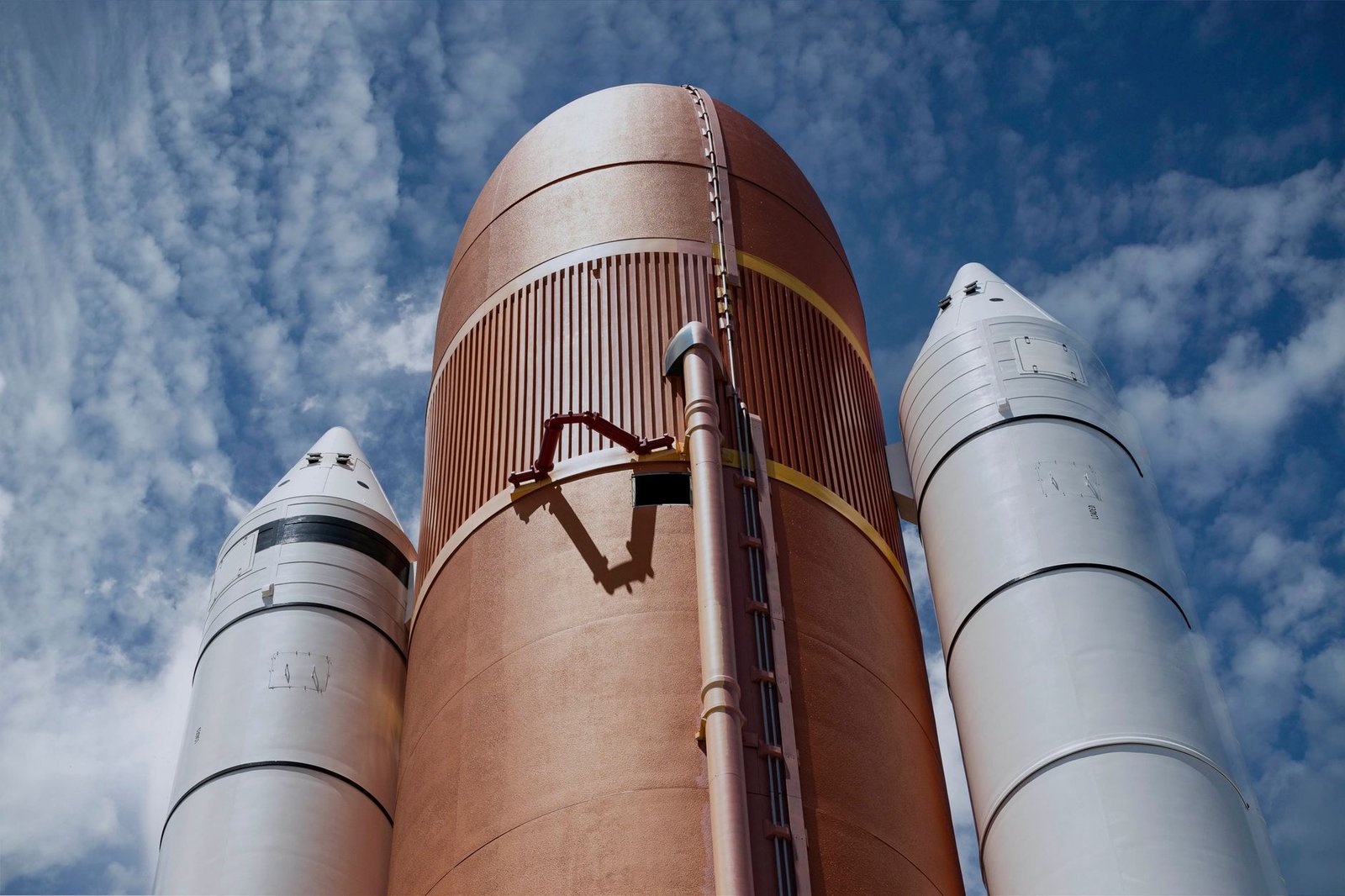
China has just reached a major milestone in space technology, signaling a new era in global competition. A new entrant into China’s space industry has managed to recover a reusable rocket, demonstrating an impressive leap in the nation’s aerospace capabilities.
Key Takeaways:
- China’s space program has shown rapid progress with another successful reusable rocket launch.
- This development places China alongside the US in the reusable rocket arena.
- A variety of Chinese companies, both state-run and private, are vying to enhance their capabilities in reusable launches.
- Reusable rockets significantly reduce the costs of space exploration and satellite deployment.
- The continuous advancements in this sector could transform the future dynamics of space exploration and technology.
The Rise of Reusable Rockets in China
Less than a month after China’s initial victory in recovering an orbital-class rocket booster—a rocket segment built to re-enter Earth’s atmosphere—a second company has matched this achievement. This illustrates the swift advancement within China’s space program and highlights a growing expertise in developing technologies that were once exclusive to a handful of global players.
Understanding Reusable Rockets
Reusable rockets are designed to be launched, recovered, and launched again. This contrasts with traditional rockets that are used just once and discarded after their payload delivery. By minimizing waste and allowing multiple flights from the same hardware, reusable rockets significantly lower the cost of space access.
The US Experience: A Benchmark for China
To understand the significance of China’s recent successes, we can look at the US experience. After SpaceX first achieved the milestone with its Falcon 9 in 2015, it took another decade before Blue Origin joined the scene with its own booster recovery. This indicates the challenges and expertise required to achieve such technological feats.
China’s Diverse Player Field
China’s recent advancements are propelled by diverse players in the aerospace sector. The state-owned giant, China Aerospace Science and Technology Corporation (CASC), collaborates with various enterprises to push these boundaries further. Meanwhile, a surge of privately funded ventures are also driving innovation, encouraged by substantial capital infusions from Chinese industries eager to make their mark.
An Analogy to Consider
Imagine a commercial airline where every plane is used for just one flight and then discarded. That’s the traditional model of rocket launches. Reusable rockets are akin to modern airliners that shuttle back and forth numerous times, each journey building on the benefits of reduced costs and increased frequency.
The Implications for AI and Space Technology
As reusable rocket technology matures, it inherently opens gateways for further advancements in satellite deployment and space exploration. An accessible, cost-effective path to space can facilitate the launch of AI-driven satellites that enhance global communications, weather forecasting, and even Earth observation techniques.
While American companies such as Rocket Lab and Relativity Space are still working on reusable models, China’s aggressive timeline suggests they could soon become leaders in this pivotal technology. Innovative startups like Stoke Space and Firefly Aerospace, alongside industry giants, are crucial players in the competitive landscape, indicating that advances in space tech might accelerate AI capabilities globally.
Ultimately, these developments are not just about who can get to space faster or more cheaply; they’re about who can get there smarter. The **future of AI** in space hinges on the efficient deployment of seamless, reusable infrastructure, pushing the boundaries of what’s possible in both exploration and real-world applications. As China beefs up its space program, expect to see a ripple effect: catalyzing not only space exploration but also the computational capabilities of AI across Earth and beyond.
