




Artificial Intelligence, once heralded as the frontier of technological innovation, seems to be caught in a paradox. As it embeds itself deeper into our daily lives, public skepticism rather than enthusiasm appears to be on the rise. Why has AI’s journey to acceptance stalled, and what does this mean for its future?
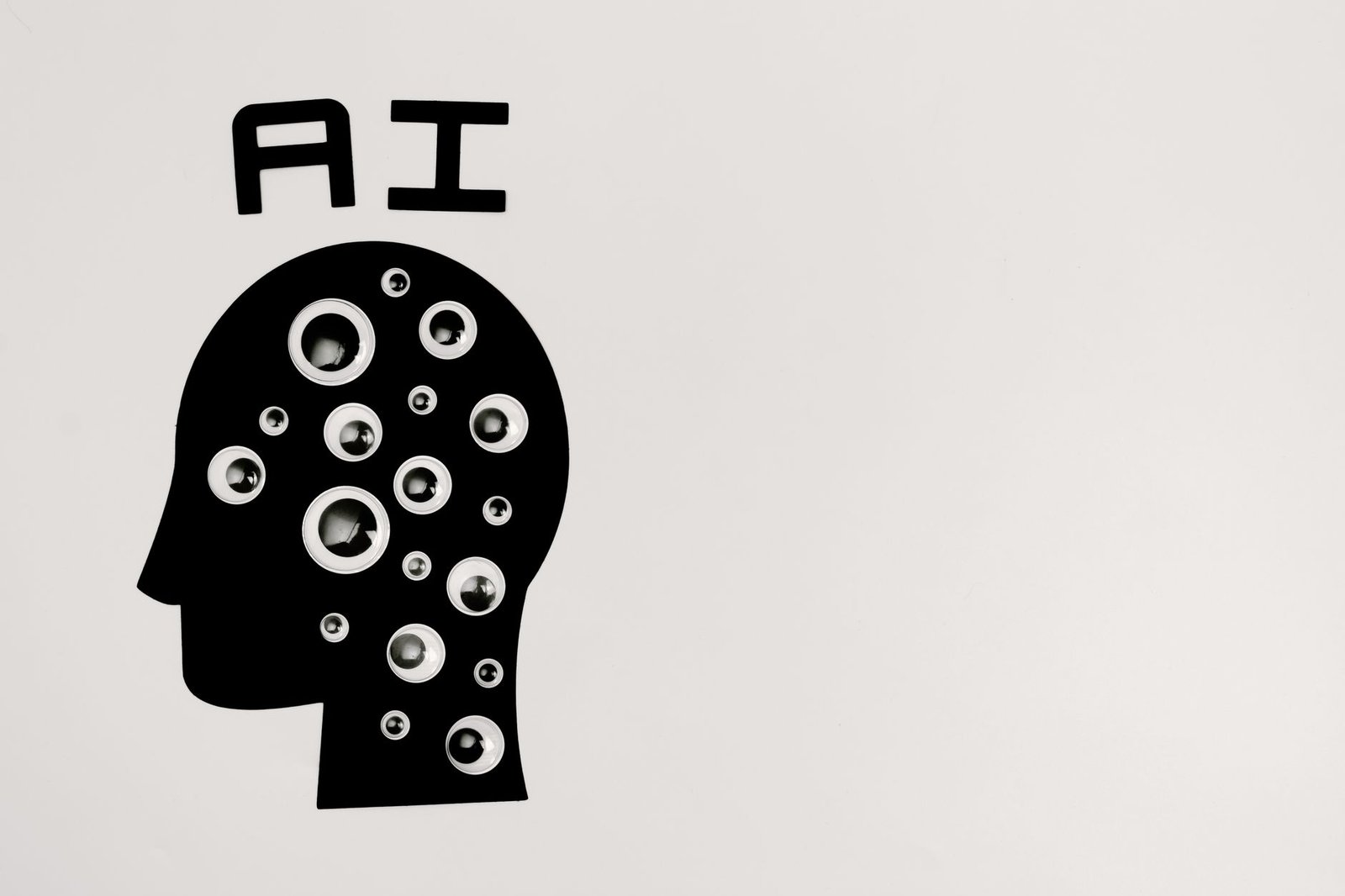
- AI’s integration into daily life hasn’t eased public skepticism.
- Widespread usage doesn’t equate to widespread acceptance.
- Understanding AI’s capabilities and limitations is crucial.
- Transparency and ethical use are key to gaining trust.
- The future of AI hinges on addressing these concerns.
AI’s Surprising Standoff with Acceptance
The presumption was simple: as people interact with AI more frequently, understanding would blossom, and acceptance would follow. However, **widespread usage** of AI technologies has not naturally led to this anticipated **comfort**. Instead, consumers often find themselves at odds with a technology that promises to transform industries but sometimes struggles to communicate its direct value.
The Gap Between Familiarity and Trust
Consider the **self-driving car**, one of AI’s most publicized breakthroughs. While the tech industry showcases the potential for enhanced safety and efficiency, many people remain skeptical. Concerns about **autonomy**, the car’s ability to make decisions independent of human input, overshadow the benefits. This skepticism isn’t merely a wariness of something new, but a deeper concern about control and reliability.
Decomposing Consumer Concerns
Yet, where does this skepticism truly stem from? One major factor is the lack of **transparency** in AI systems. Most consumers don’t understand how AI functions, leading to a void filled with doubt. Knowing AI processes data through **machine learning**—where algorithms learn patterns from data without explicit programming—can help. However, the average person might not differentiate between **data-driven insights** and **ethical considerations**, leading to confusion about intent and impact.
Another issue lies in **data privacy**. AI thrives on vast amounts of data to provide tailored recommendations or automate processes. Still, this reliance raises questions about the extent and manner of data collection. Consumers rightfully worry about how much of their personal information is used and to what ends.
Seeing AI in Action: A Tangible Illustration
Imagine an AI-enhanced **smart assistant** that learns your habits over time. While the idea of a device that knows which playlist to start as you begin dinner preparation is alluring, understanding how it knows your preferences might not be as straightforward. This autonomous decision-making blends convenience with **unseen complexity**, making it tough for users to wholeheartedly trust these systems without clear communication from developers.
The Path Forward for AI
So, what can be done to bridge this gap between AI’s capabilities and public confidence? Firstly, **education** is paramount. By simplifying the narrative around AI processes and highlighting success stories, everyday users can better appreciate AI’s role without trepidation. Moreover, developers and companies must commit to greater transparency in AI operations, ensuring users understand how decisions are made. This could involve more **user-friendly interfaces** that explain AI actions in relatable terms.
Anticipating Tomorrow’s AI Landscape
The path to acceptance is not a mirror of the past successes of technology but a future carved by **trust and comprehension**. As AI evolves, so must the methods by which we engage with it. Rather than being a distant, opaque force, AI could become a transparent partner that works symbiotically with humans. The challenge for creators and policymakers is evident: to craft AI technologies that resonate with human values and priorities. Only then can AI truly become an integral part of our lives, not as an enigma but as an ally.
