


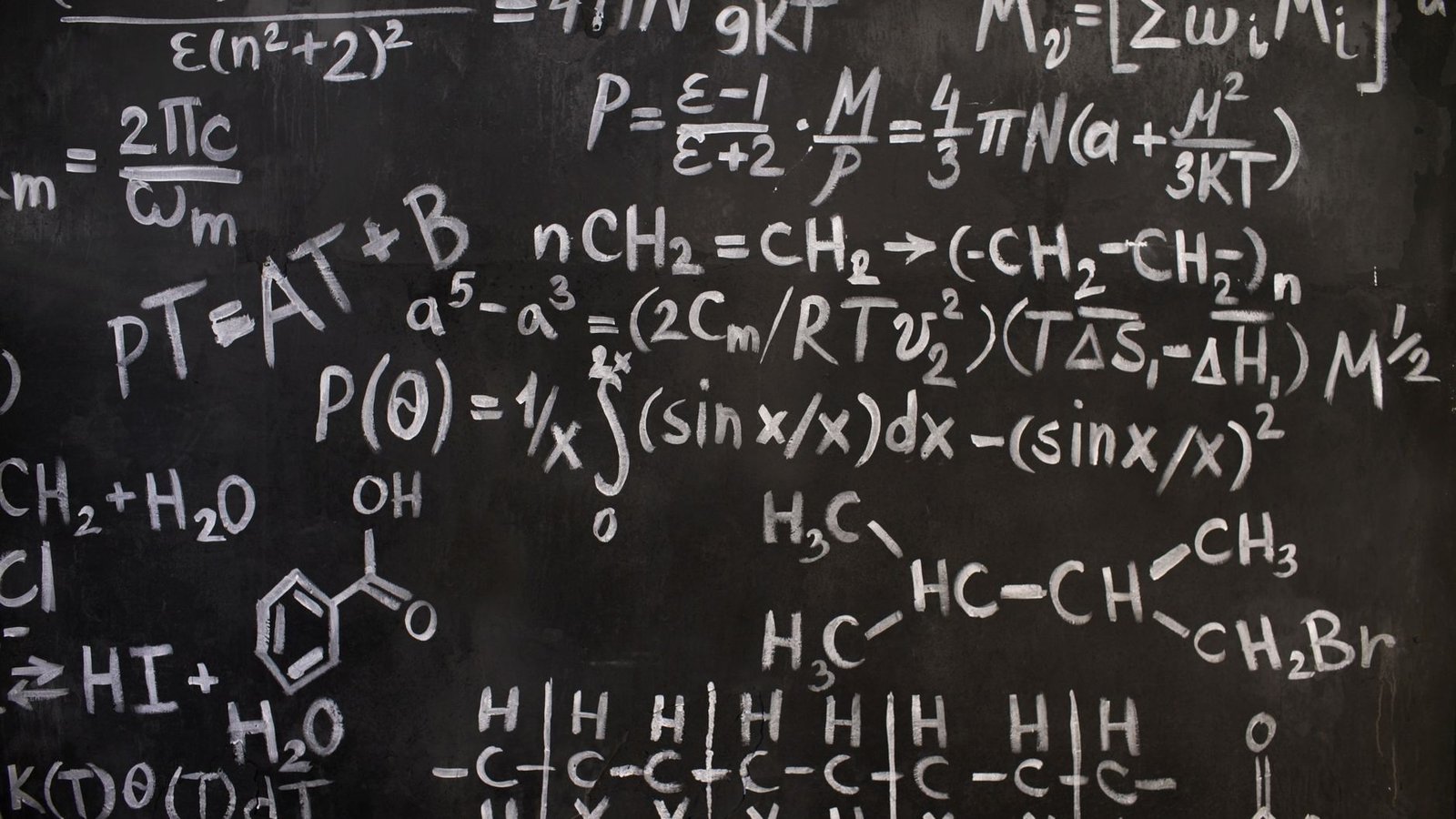
Artificial intelligence is taking the mathematics community by storm, challenging the very foundation of what it means to solve complex equations. While mathematical prodigies have spent years grappling with intricate theories, AI models are now swooping in with jaw-dropping solutions. This phenomenon raises profound questions and a sense of existential crisis within the field.
Key Takeaways
- AI has started solving advanced mathematical problems, raising concerns about its role in future research.
- While AI struggles with simple arithmetic, it excels in abstract mathematics.
- OpenAI’s Astra model recently solved multiple longstanding mathematical problems.
- There is a debate over whether AI’s rapid progress will diminish human contributions to math.
- The future of mathematics may depend on AI’s integration as a supportive tool rather than a replacement.
The Rise of AI in Mathematics
A wave of change has swept over the mathematics community due to recent developments in AI. OpenAI’s new model, known as Astra, recently presented solutions to a series of complex mathematical problems that had puzzled mathematicians for decades. The buzz within academic circles is palpable, as experts ponder what this means for their discipline.
AI: A Math Matador?
Despite AI’s inability to perform simple calculations, such as basic arithmetic, it’s making headlines for solving abstract mathematical problems. Imagine being able to navigate a labyrinthine maze with ease while tripping over a simple hurdle—that’s AI in math. As AI explores these high-level realms, questions arise about its capability to address challenges in other fields, like physics or biology.
Implications for Future Mathematicians
With AI barging into the mathematics domain, there’s concern about the relevance of human mathematicians. If AI models begin to solve traditional research problems, what value do humans add? The fear is not unfounded. Just imagine an assembly line where robots seamlessly finish tasks that once required human ingenuity. The heart of the matter remains whether AI will support, compete with, or potentially replace human efforts.
The Role of AI Models
OpenAI’s Astra model broke ground by solving not one or two, but ten theoretical mathematical issues. It’s akin to a machine winning ten gold medals in an academic decathlon. Nevertheless, questions linger about the transparency of these models and how much human guidance is involved in generating these breakthroughs. Just like sifting through gold nuggets, it takes a trained eye to differentiate between true capabilities and mere glitter.
What This Means for AI and Math
Many mathematicians are wrestling with these developments and their implications. While some view AI as a groundbreaking tool that could open doors to new research areas, others see it as a disruptive force. If AI continues to progress at this pace, we may find ourselves at a crossroads where the role of human intuition in solving mathematical problems needs redefinition.
Looking to the Future
The future presents a tantalizing prospect: the symbiosis of human intellect and machine efficiency. In this brave new world, AI could become a cog in the greater machinery of mathematical inquiry, offering a partner that enhances, rather than undermines, human ingenuity. How this relationship unfolds will shape not only mathematics but potentially redefine the scopes of other fields, spurring innovation and discovery across the board.
