




In the bustling realm of autonomous vehicles, where revolutionary dreams meet regulatory walls, **Waymo** and **Uber** are engaged in a thrilling duel. Their battleground extends beyond technologies and extends deep into political corridors, where the art of persuasion holds the key to their futuristic visions.
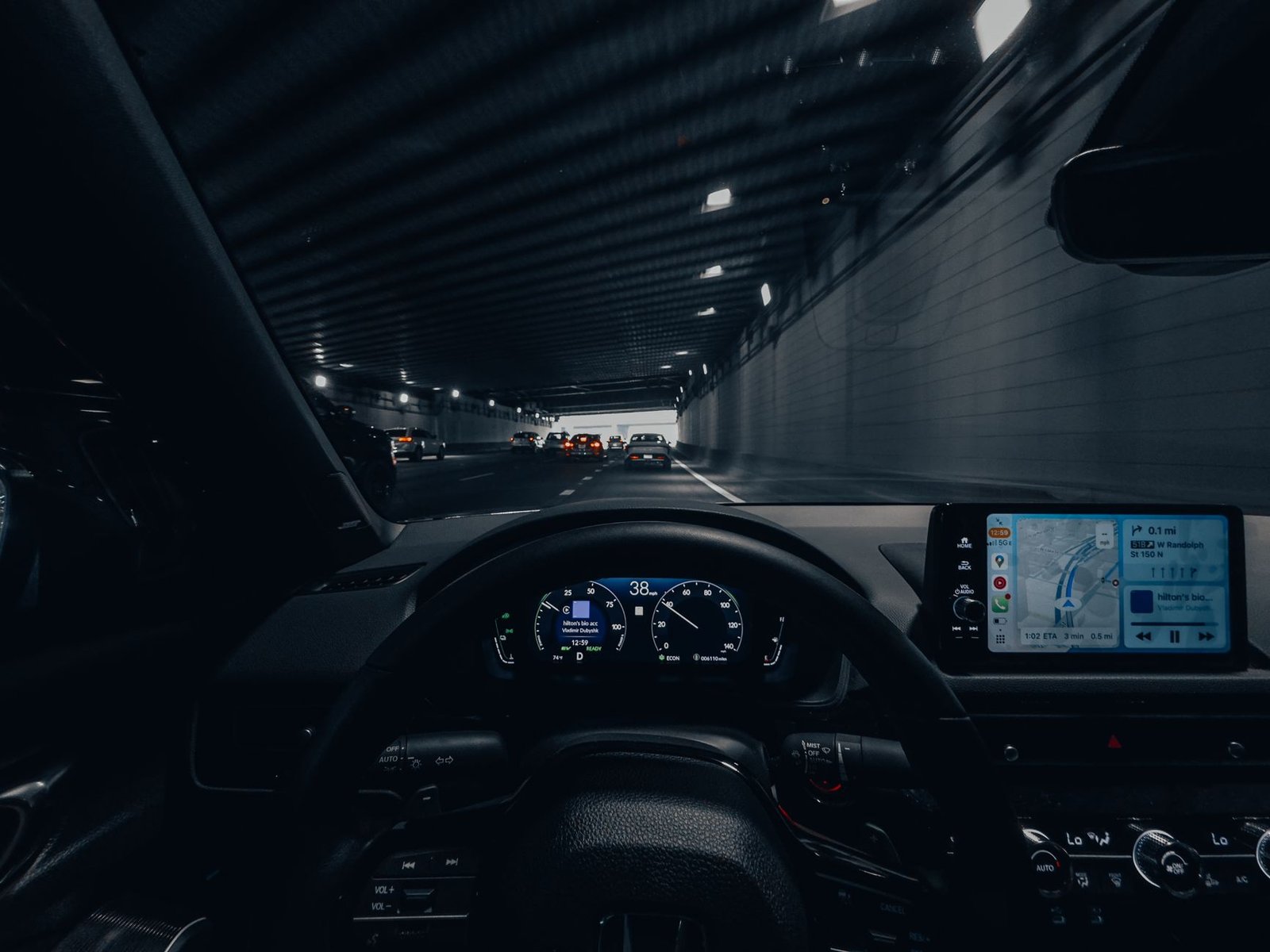
- Waymo has significantly ramped up its lobbying efforts, spending over $1 million in recent months.
- Uber advocates for a gradual introduction of robotaxis alongside human-driven vehicles.
- Waymo aims for a quick transition to fully autonomous taxi services.
- The debate underscores the complexities of regulatory approval for advanced technologies.
- The outcome of this battle could define the trajectory of autonomous vehicles worldwide.
Waymo’s Strategic Spend in the Political Sphere
In an era where visionary technology meets regulatory complexities, **Waymo** is making strategic moves to fast-track its goal of establishing a fleet of driverless taxis. Between April and June, the company, a subsidiary of Google’s parent company, Alphabet, allocated a substantial sum exceeding $1 million towards influencing US policymakers. This financial push more than doubled its lobbying expenses from the previous year and positioned Waymo’s spending nearly on par with **Uber**.
The Clash of Titans: Diverging Visions
The crux of this financial commitment is Waymo’s ambition to realize a reality where **robotaxis**—fully autonomous cabs—rule the streets without any human intervention. In contrast, Uber is advancing a more conservative stance, suggesting that autonomous vehicles should operate alongside traditional, human-driven options. This not only mitigates potential societal resistance but also provides a gradual shift for regulatory bodies and the public to adapt to shared roads with robots.
Navigating the Regulatory Maze
For **robotaxis** to become a ubiquitous aspect of urban transport, they must first navigate a labyrinth of regulatory frameworks. Policymakers are key players in this context as they outline the rules that ensure safety, ethical standards, and public acceptance. Lobbying is a tool companies use to voice their preferences and influence these regulatory decisions.
Much like a game of chess, each company must anticipate the moves of both their competitors and regulators. Waymo appears determined to clear obstacles by actively engaging in discussions that highlight the safety records, technological advancements, and potential benefits of a driverless transportation network. The intense competition with Uber accentuates the complexities and stakes of this regulatory process.
A Real-World Analogy: Air Travel’s Evolution
This struggle might seem reminiscent of the evolution of air travel. Initially, aircraft faced skepticism, but persistent innovation coupled with strategic partnerships led to aviation becoming a reliable mode of transport. Similarly, advocates like Waymo and Uber are striving to turn autonomous vehicles from visionary concepts into everyday realities.
The Road Ahead: Impacts and Opportunities
The consequences of this lobbying war between Waymo and Uber could extend far beyond regulatory landscapes. A win for Waymo’s seamless autonomous future could instigate a paradigm shift, encouraging other companies to expedite their driverless innovations. Conversely, if Uber’s incremental approach prevails, it may foster a more cautious transition, blending human-driven and autonomous options harmoniously.
The race to dominate this sphere is more than just a corporate rivalry—it’s a transformative chapter in the AI revolution. It suggests a future where **artificial intelligence** (AI) transcends screens and sensors, impacting public policy and potentially altering the fabric of urban mobility and infrastructure.
As we stand on the brink of this technological revolution, the stakes are profound. Could this be the moment when AI finally overcomes its strongest barriers, or will it settle into harmony with human collaborators on the roads? Whatever the outcome, the successes or setbacks of Waymo and Uber will undoubtedly carve the paths for future pioneers in the world of autonomous vehicles.
