



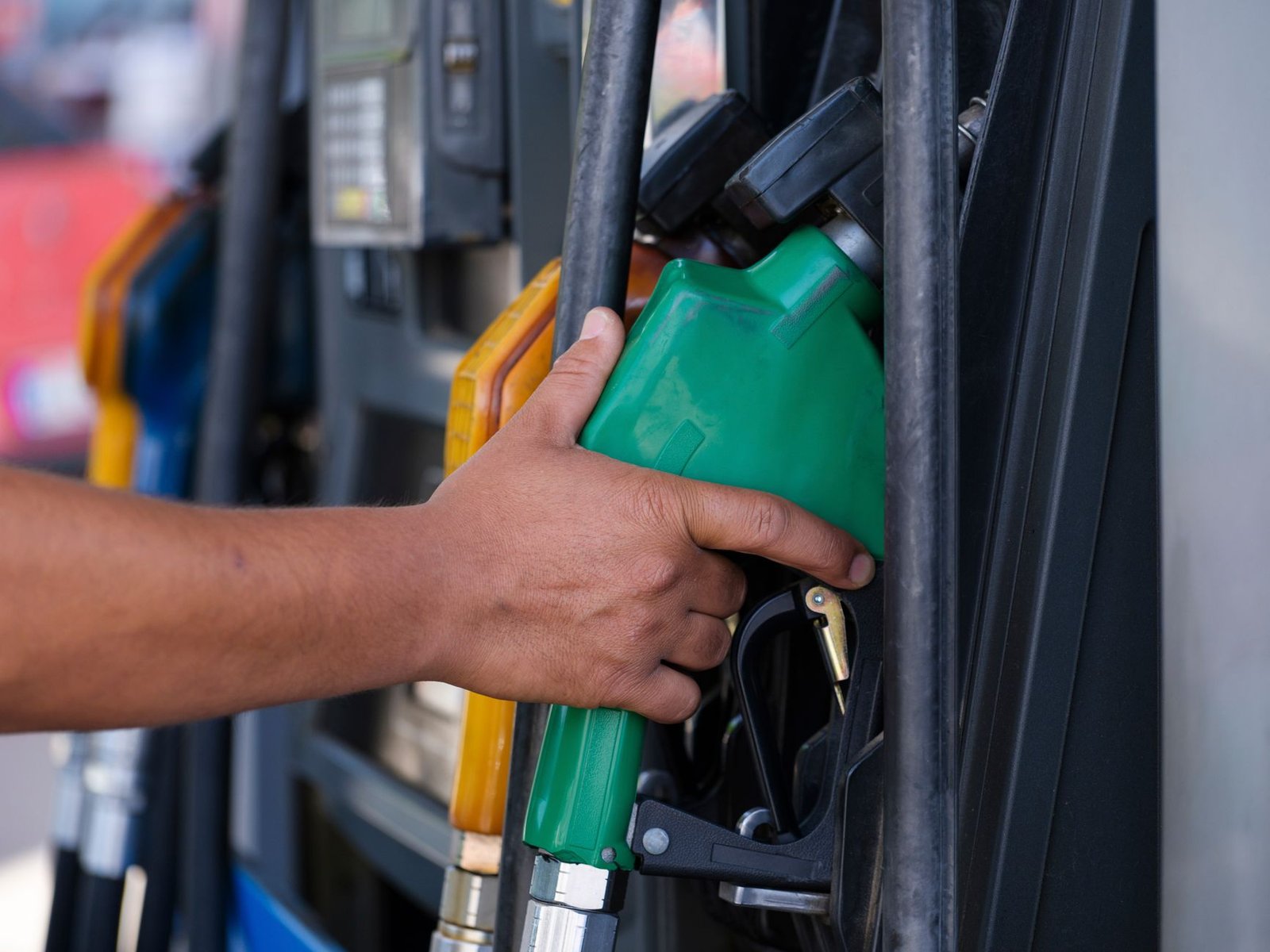
Feeling the pinch at the pump? Imagine a world where you spend less on fuel simply by altering one simple habit. Welcome to the world of physics!

Key Takeaways:
- Driving slower can significantly reduce fuel consumption.
- Understanding the physics behind driving can help save money and the environment.
- Adopting energy-saving driving habits benefits your wallet and reduces emissions.
- The principles of physics apply to fuel efficiency, impacting future transportation technologies.
The Physics of Fuel Consumption
When you press your vehicle’s accelerator, you are engaging in a dance with physics. The more force you apply, the harder your car’s engine must work, translating to higher fuel consumption. This is largely due to the concept of drag, which is essentially air resistance. The faster you drive, the more resistance you encounter, requiring more energy from your engine to maintain speed. This is why even minor reductions in speed can have a noticeable impact on fuel efficiency.
Understanding Drag and Fuel Efficiency
Drag increases exponentially with speed, meaning a small increase in speed can lead to a much larger increase in air resistance. Consider this: driving at 60 mph rather than 70 mph can lead to significant fuel savings because drag and fuel consumption both decrease. Think of it like walking through water; the faster you try to move, the harder it becomes to push through. This analogy highlights how speed influences energy requirement in vehicles.
Real-World Implications and Habits
Imagine driving down a highway. At 70 mph, you are pushing tons of metal through the resistant air, burning more fuel to maintain speed. By reducing speed, not only do you conserve energy but also extend the life of your car’s machinery and preserve your finances. The fundamental laws of physics make it clear: slow down, and you’ll save money.
Adopting Smarter Driving Techniques
Applying practical driving techniques can optimize fuel consumption further. Anticipate traffic flow to avoid unnecessary acceleration and braking. Maintain a steady speed and use cruise control on highways when possible. These strategies all contribute to lower energy consumption and less fuel usage. By embracing such habits, drivers contribute positively to the environment by reducing carbon emissions.
The Future: AI and Fuel Efficiency
As we look to the horizon, the principles of physics don’t just remain theories confined to textbooks. They are being increasingly applied in AI-driven automotive technologies. From self-driving cars that optimize routes to AI algorithms predicting vehicle maintenance needs, the future holds promising advancements in transportation efficiency.
What does this mean for consumers and the planet? Enhanced fuel economy and reduced emissions pave the way towards a more sustainable world. AI is poised to develop smarter systems that analyze countless data points to improve energy efficiency further. As we refine these technologies, driving slower today could signal a much-needed shift in how we think about energy consumption tomorrow.
In essence, by blending traditional physics with modern AI innovations, society moves closer to not just understanding but also evolving our interaction with the world around us. The journey towards energy-efficient transportation is just beginning, and this drive is guided as much by the science of the past as it is by the promise of the future.
