


The world of technology is bustling with innovation, providing us with apps, gadgets, and tools that transform the way we read and learn. For enthusiasts seeking to stay ahead in the AI landscape, understanding and selecting the right tools is crucial. Dive into this expertly crafted guide to navigate the tech ecosystem with finesse!
Key Takeaways
- Discover how AI-powered tools are redefining productivity and learning.
- Learn about smart apps that enhance reading experiences through personalization.
- Understand the significance of integrating tech innovations into daily routines.
- Explore real-world examples of AI applications in tech gadgets.
- Gain insights into future trends shaping the AI and tech industry.
The Intersection of Technology and Reading
As readers in the digital age, we are offered a suite of tools that enhance our reading experiences, making them more engaging and personalized. **Artificial Intelligence (AI)**, a field of computer science that enables machines to learn from data and make decisions, is at the forefront of this transformation. By personalizing content and suggesting new materials based on your reading patterns, AI systems create a unique experience tailored to your interests.
AI-Powered Recommendation Systems
One of the most tangible examples of AI in reading is **recommendation systems**. These systems predict your preferences based on previous interactions with content. For instance, Kindle’s use of AI to suggest books you might enjoy based on your reading habits showcases how AI can make every reading session more rewarding. Imagine walking into a bookstore where every shelf is filled only with books that match your taste — that’s the power of AI in the digital world.
Gadgets that Elevate the Reading Experience
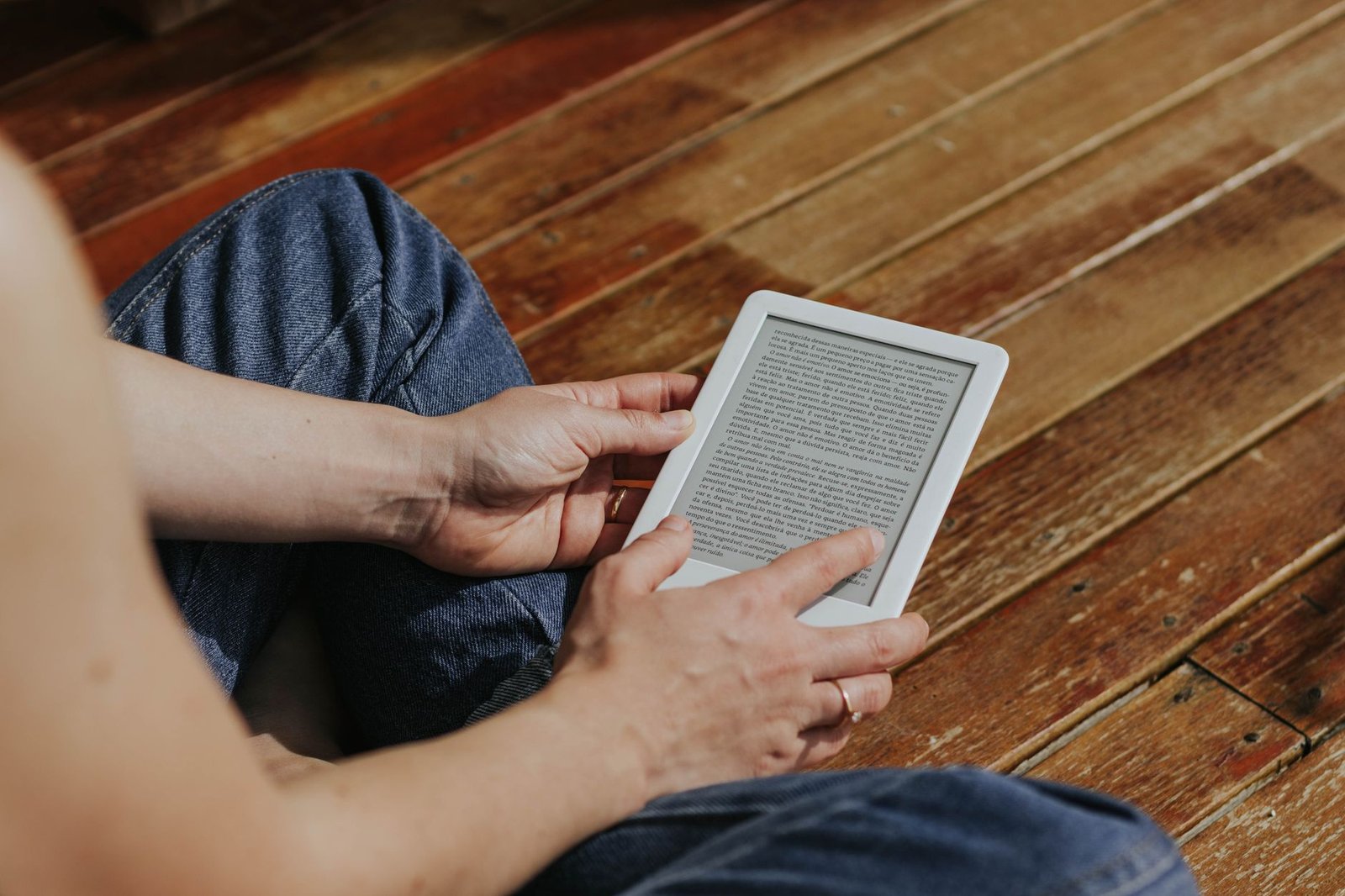
Beyond apps, various electronic gadgets are designed to boost productivity and streamline reading habits. **E-readers** like the Kindle or Kobo support a vast array of formats and offer features like adjustable text size and background color, making reading easier on the eyes. Moreover, some devices come equipped with **text-to-speech** capabilities, which leverage AI to convert written text into spoken words, perfect for multitasking or assisting those with visual impairments.
Integration with Daily Life
Bringing these tools and gadgets into everyday life can significantly impact productivity. For example, using a stylus with a smart tablet allows for interactive reading sessions, where notes can be taken digitally, and key sections can be highlighted effortlessly. These tools not only support learning and comprehension but foster a seamless integration of technology with daily routines.
Looking Ahead: The Future of AI in Reading and Beyond
The future of AI in reading technology promises even more customized experiences. With advancements in **natural language processing** — a subset of AI that helps machines understand and respond to human language — we can expect tools that provide real-time translations, summaries, and even comprehension checks to ensure deeper understanding.
Moreover, as AI continues to evolve, these tools will become more intuitive, learning not just from individual preferences but from global trends, enhancing their predictive abilities. In the coming years, such innovations will not only transform how we read but will redefine learning and productivity in multiple dimensions.
As we stand on the brink of these advancements, embracing the potentials of AI-powered tools is not just about riding the wave of technology but about crafting a future where reading is more personalized, accessible, and enlightening than ever before.
