



Imagine a world where natural disasters are met with swift and precise responses, saving countless lives and minimizing damage. This is the transformative potential of artificial intelligence. Recently, in an effort to harness AI’s capabilities, a collaborative workshop was held between OpenAI and the Gates Foundation, targeting disaster response improvement across Asia.
- AI-transforming response: How AI is revolutionizing disaster management.
- Collaborative efforts: The role of partnerships in optimizing AI applications.
- Simplifying technology: Breaking down complex AI tools for real-world use.
- Real-world impact: Examples of AI in action during emergencies.
- Looking ahead: The evolving future of AI in disaster response.
The Role of AI in Disaster Response
Artificial Intelligence, or AI, is a branch of computer science that involves the creation of machine systems capable of performing tasks that typically require human intelligence. This includes abilities like learning, problem-solving, and understanding language. When applied to disaster response, AI can process vast amounts of data quickly to provide actionable insights, predicting hazardous events and coordinating relief efforts more effectively.
Turning Data into Action
One key application is the use of AI algorithms to analyze satellite imagery and sensor data to detect anomalies and predict disasters. For example, AI can identify potential earthquake patterns or flood threats before they occur, enabling preemptive evacuations and resource deployment. Consider AI as a proactive ally that spots the flicker of a storm long before it becomes a hurricane.
The Power of Partnerships
The collaboration between OpenAI and the Gates Foundation epitomizes the significance of partnerships in advancing AI for public good. These collaborations pool together resources, expertise, and networks to push the boundaries of what AI can achieve in disaster management. By collectively focusing on Asia, where a significant portion of the world’s natural disasters occur, these partnerships aim to mitigate the impact on densely populated areas.
Simplifying AI for Action
Transitioning AI from research labs to real-world applications involves simplifying the technology so it can be accessible to disaster response teams. Initiatives are underway to create user-friendly tools that distill complex AI functionalities into intuitive interfaces. Imagine giving a skilled surgeon an advanced tool that they can use instinctively despite its complex engineering.
Real-World Impact
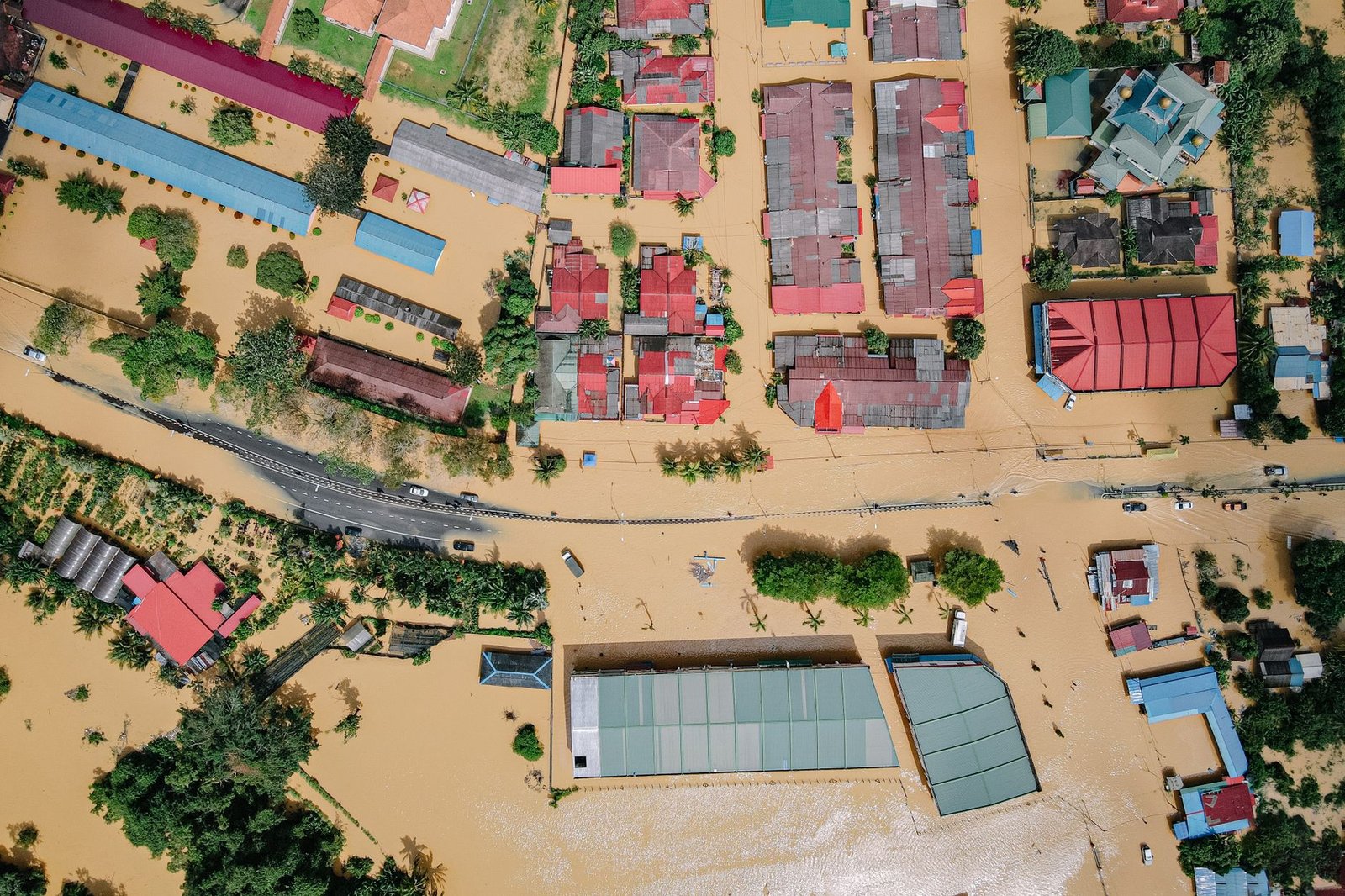
A tangible example of AI in action is its use during the monsoons in South Asia, where flooding devastates communities annually. AI-powered models use historical rainfall data, river levels, and topography to forecast floods and advise communities on evacuation and preparation, significantly reducing casualties and economic loss.
Preparing for the Future
Looking ahead, the future of AI in disaster response is not just about improving technology but also ensuring it is ethically implemented and inclusive. As AI continues to evolve, there is potential for its reach to expand. Autonomous **drones** equipped with AI could soon deliver medical supplies to isolated areas during emergencies. By marrying technological innovation with human expertise and empathy, AI stands ready to redefine how the world responds to adversity.
