



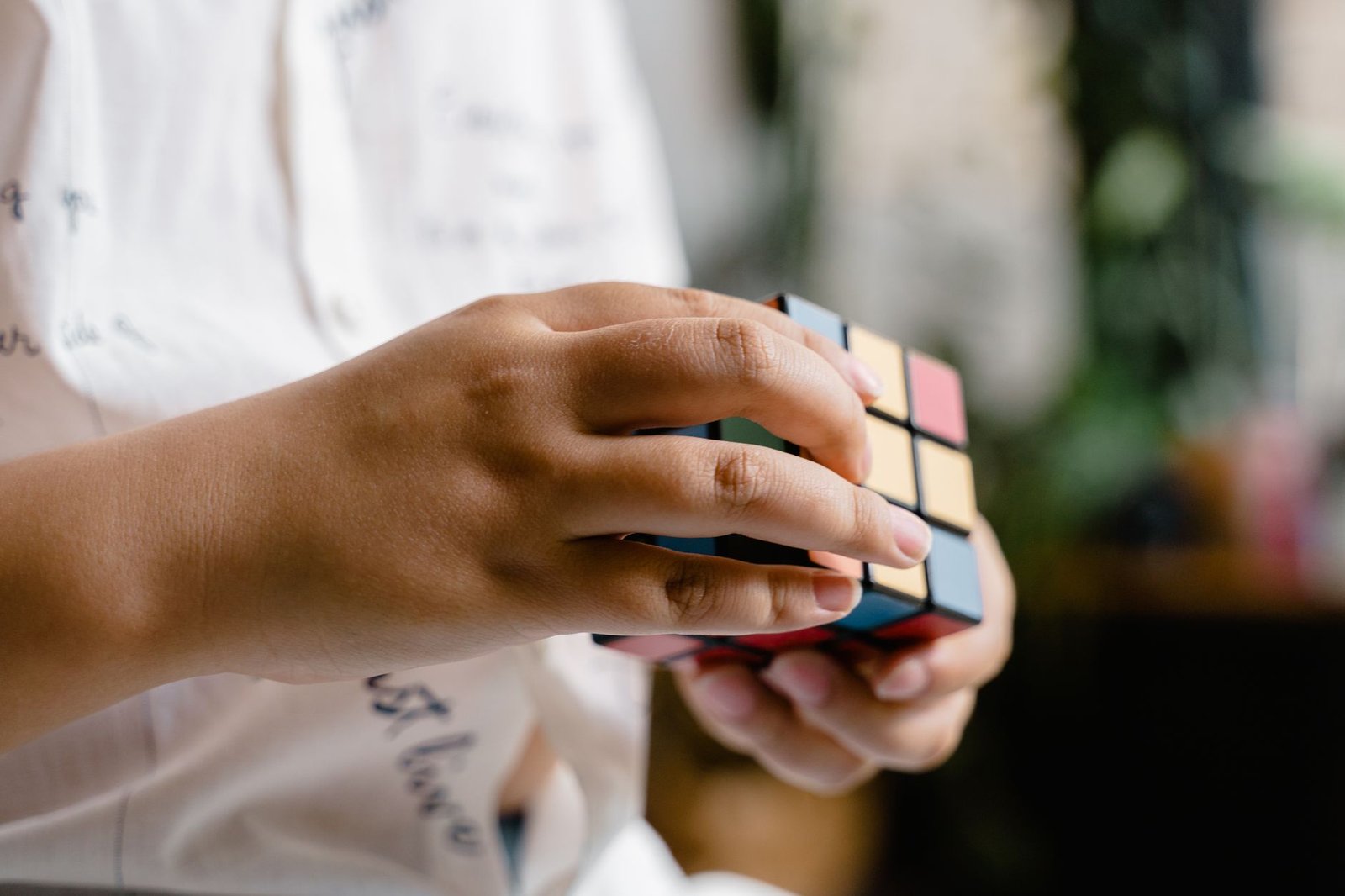
Imagine a robot hand capable of mastering the Rubik’s Cube, maneuvering its colorful faces with precision and speed akin to a human expert. This technological feat isn’t confined to science fiction—it’s the real-world result of cutting-edge AI research that redefines what machines can achieve autonomously.
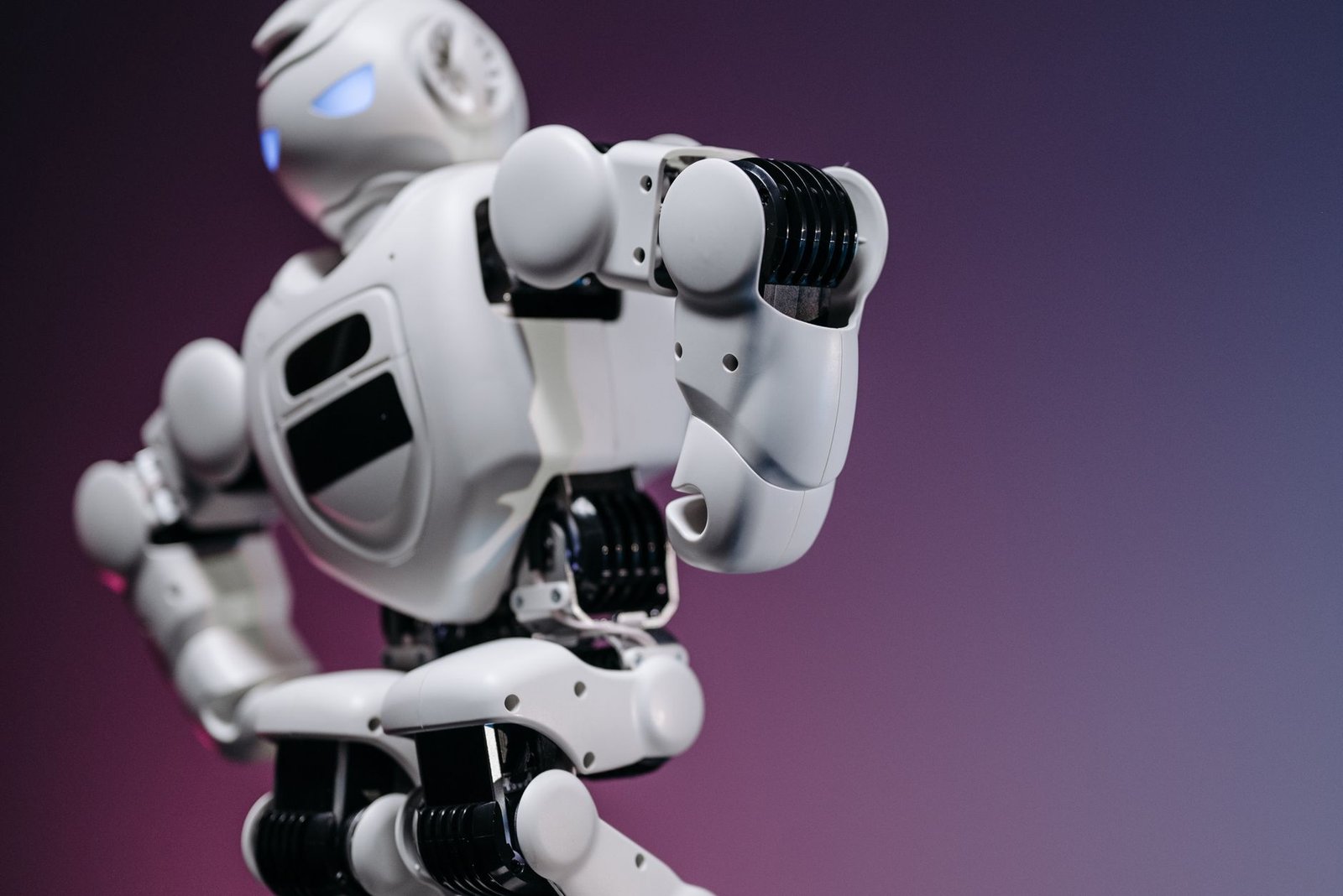
Key Takeaways
- A pair of neural networks empowers a robotic hand to solve the Rubik’s Cube.
- Training occurs entirely in a simulated environment using reinforcement learning.
- An innovative method called Automatic Domain Randomization (ADR) enhances adaptability.
- This approach equips the robot to handle unforeseen disturbances.
- The implications of this technology extend beyond digital realms into tangible problem solving.
The Brain Behind the Dexterity: Neural Networks and Reinforcement Learning
The heart of this groundbreaking development is two sophisticated forms of neural networks, computational models inspired by the human brain’s structure. These networks learn to solve problems by interpreting vast datasets. In this case, they’ve been programmed to maneuver a robot hand through the Rubik’s Cube’s twists and turns. Training takes place in a digital setup rather than a physical lab, utilizing reinforcement learning. This sophisticated technique involves rewarding the network for making correct moves, much like guiding a pet with treats. It gradually learns which actions yield success, refining its strategies through trial and error.
Automatic Domain Randomization (ADR): The Secret to Robust Adaptability
Central to making the robot hand adaptable is a concept known as Automatic Domain Randomization (ADR). In simpler terms, ADR ensures the virtual training environment frequently changes in unpredictable ways. This compels the AI to develop more flexible solutions instead of memorizing patterns. Imagine learning to drive in a simulator where weather, traffic, and road conditions change every session—you’d become a much more adaptable driver! Similarly, ADR equips the robot hand to handle unexpected changes or distractions, like an amusing scenario involving a stuffed giraffe.
Tangible Precision: From Simulation to Real-World Execution
A significant achievement of this project is its transition from theoretical to practical applications. Whereas traditional AI solutions often demonstrate utility only in digital tasks, the Rubik’s Cube robot hand showcases physical dexterity. This leap signifies AI’s burgeoning capacity to address real-world challenges, moving from virtual chessboards to tangible puzzles with practical implications.
Why It Matters: The Road Ahead for AI and Robotics
The success of this robot hand transcends mere entertainment; it embodies a vision of AI tackling physical-world problems with finesse. Picture AI systems capable of assisting with complex surgeries, assembling delicate machinery, or even performing everyday chores with remarkable proficiency. As machines gain dexterous intelligence, our collaboration with them in various facets of life is poised for transformation.
Looking ahead, the possibilities for integrating AI with real-world applications are expansive and exhilarating. We stand at the cusp of an era where AI enhances human capability, potentially leading to a future where technological and biological dexterity are seamlessly intertwined. As AI continues to evolve, the next milestones may involve greater autonomy, precision, and creativity, spurring an age of innovation that challenges and enriches our understanding of both technology and intelligence.
