



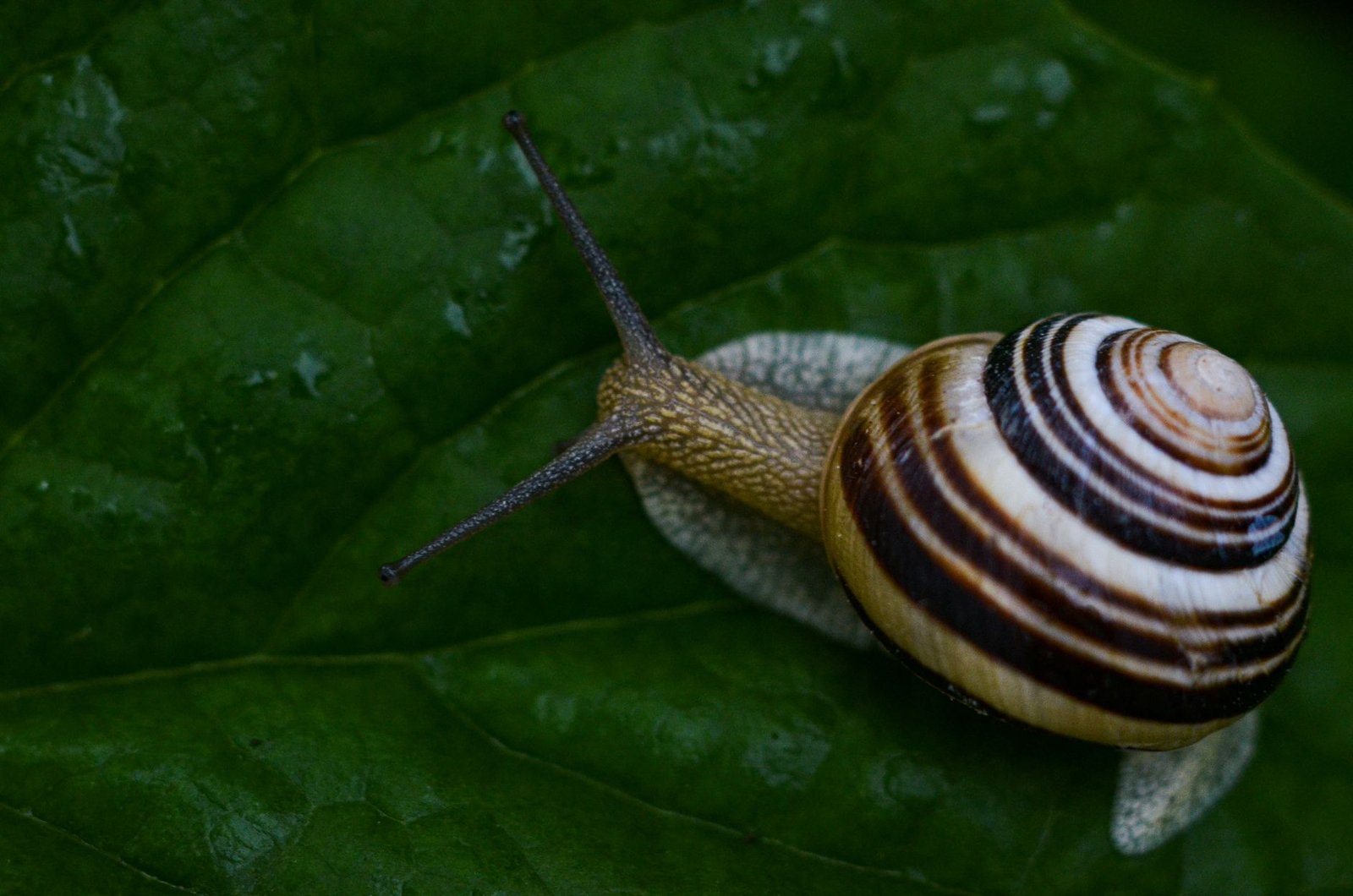
Imagine a world where the sticky trail of a snail could hold the secret to the next big breakthrough in medicine and technology. This isn’t a sci-fi notion but a burgeoning area of research, revealing that these slow-moving creatures are quite the bioengineers.
Key Takeaways
- Snail mucus has unique properties that vary according to function.
- Researchers have uncovered the role of collagen and calcium in mucus adaptability.
- Beyond cosmetics, snail slime has potential for drug delivery and wound healing.
- Three types of snail mucus serve different purposes: hydrating, adhesive, and lubricating.
- Understanding these properties can inspire innovations in biotechnology and AI.
The Marvel of Snail Mucus: More Than Meets the Eye
Snails, often overlooked in the grand tapestry of nature, possess a unique ability to produce slime with varying properties. **Snail mucus** is primarily composed of water, but its slimy nature comes from the presence of **mucins** (specific proteins attached to carbohydrates) and complex carbohydrates. But what truly sets it apart is its **tunability**—the capability to adapt its texture and function to different needs. According to German scientists, this adaptability is thanks to a cooperative dance between **collagen** and **calcium**.
A Closer Look: The Grove Snail’s Secret
Focusing on a particular species, the **grove snail** (also known as the lemon snail), scientists uncovered fascinating insights. These snails can produce five distinct types of mucus, each with a specialized purpose. Similar to their more familiar garden snail cousins, they produce mucus that acts as a **lubricant** to aid smooth movement and an **adhesive** type that helps them cling to surfaces. Additionally, there’s a unique mucus layer called the **epiphragm**. This acts as a protective seal during the snail’s hibernation winter sleep and is enriched with **calcite** to shield it from predators and environmental challenges.
Beyond Beauty: The Therapeutic Promise of Snail Mucus
Although famous in the world of cosmetics for its anti-aging and anti-inflammatory properties, snail slime is proving its mettle in more critical fields. Recent research in 2020 highlighted a surprising medicinal application: combining snail mucus with **gold nanoparticles** accelerated wound healing in mice and showcased anti-inflammatory effects. Imagine snail mucus being a central component in **drug delivery systems**—a notion that is gaining serious credibility due to its unique properties.
A Glimpse into the Future
If you think about the varying functions of snail mucus, it’s somewhat akin to an artist choosing different brushes to create an expressive masterpiece. Each type of mucus plays a role similar to a brushstroke, whether it’s for protection, adhesion, or mobility. This analogy serves as a bridge to the future of **artificial intelligence** and biotechnology. By understanding how these natural processes work, scientists can innovate new materials and technologies. Take, for example, the idea of creating **adhesive materials** for medical use that can mimic the snail’s ability to adhere and release easily as needed.
As our understanding of these natural phenomena deepens, the implications for **AI** are tantalizing. Algorithms could one day model this tunability in **biomedical technologies**, bringing new levels of customization and efficiency. The humble snail, in its quiet journey across our gardens, might well be pathing the way for the next great leap in technological advancement.
