



Imagine having a conversation with a machine that not only understands your questions but can also follow up intelligently. Welcome to the fascinating world of ChatGPT, a groundbreaking technology reshaping our interactions with artificial intelligence.
Key Takeaways
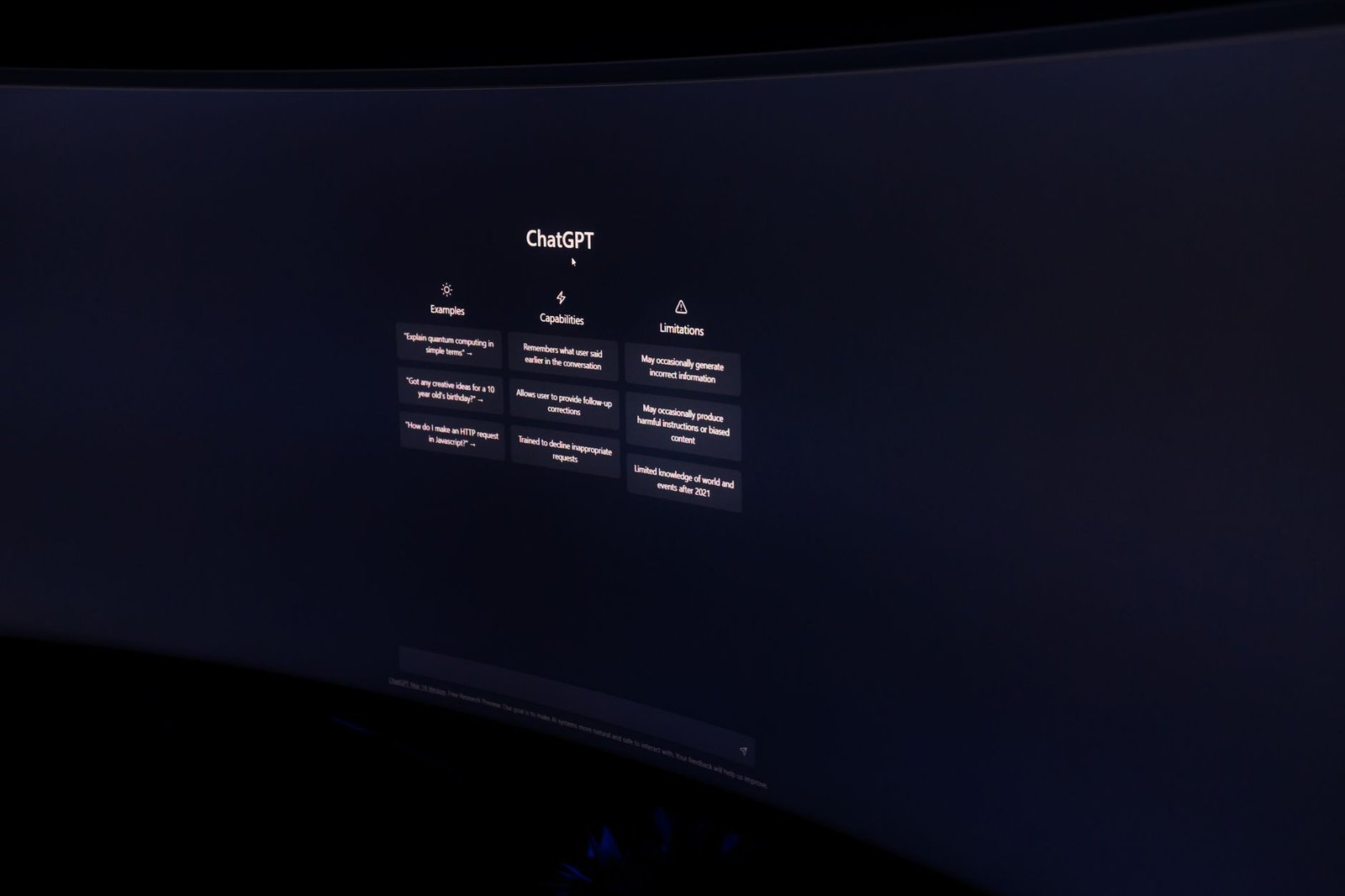
- ChatGPT is designed to carry on natural conversations with users.
- The model can answer follow-up questions and learn from its errors.
- ChatGPT is capable of challenging incorrect assumptions and can say no to inappropriate demands.
- Conversational AI like ChatGPT offers significant advancements in interactive applications.
- The future of ChatGPT will likely see it in more personalized and sophisticated roles.
Understanding ChatGPT: A New Era in Conversational AI
ChatGPT stands at the forefront of conversational artificial intelligence (AI). Developed by OpenAI, this model leverages deep learning to engage with users in a human-like dialogue. The unique thing about ChatGPT lies in its ability to maintain the flow of conversation. Traditional AI models often stumbled when faced with layered questions or subtle contexts. However, ChatGPT’s capability to address complex interactions sets it apart.
How Does It Work?
The engine behind ChatGPT is a type of AI model known as a neural network, which is structured similarly to the human brain. At its core, it uses millions of examples from internet text to learn various ways language can function. When we say the model can understand and produce language, we mean it can recognize patterns in the data it has been exposed to and generate coherent, contextually appropriate responses.
The Power of Follow-Up
A distinctive feature of ChatGPT is its ability to handle follow-up questions smoothly. For instance, imagine asking a virtual agent about the weather forecast and then inquiring about the best time to visit a park based on that forecast. ChatGPT can manage such exchanges seamlessly, making it appear not only useful but also much more intuitive.
Adjusting the Conversation: Correcting and Challenging
Beyond simply responding, ChatGPT possesses the ability to adjust its output based on the input it receives. This means it can admit mistakes, refining its answers for better accuracy. If it identifies an underlying incorrect premise, it can challenge this assumption, fostering a more accurate and informative discourse.
Saying No: Filters and Boundaries
Importantly, ChatGPT is engineered to reject inappropriate requests. It incorporates filters that guide it in avoiding unsafe or unethical responses. While it’s not infallible, continuous updates and training help it stay within a framework of responsible communication.
A Real-World Analogy
Think of ChatGPT as a highly skilled customer service representative. It not only answers your initial query but will follow up with relevant questions to help you further, correct any misconceptions, and even provide you with alternative solutions or suggestions. This level of interactivity and intelligence is something that more traditional scripted systems simply cannot match.
Looking Ahead: The Future of ChatGPT
The potential applications for ChatGPT are vast, from enhancing customer service to serving as a personal AI companion. As this technology evolves, we can anticipate a future where AI not only assists with more complex tasks but does so in a way that feels increasingly personal and meaningful. With ongoing improvements, the capabilities of ChatGPT and similar models are bound to permeate and transform sectors such as healthcare, entertainment, and education.
In conclusion, ChatGPT signifies a leap forward in AI capabilities, promising a future where machines do more than just perform tasks—they engage in meaningful and intelligent interactions, making technology more intuitive and accessible for everyone.
