



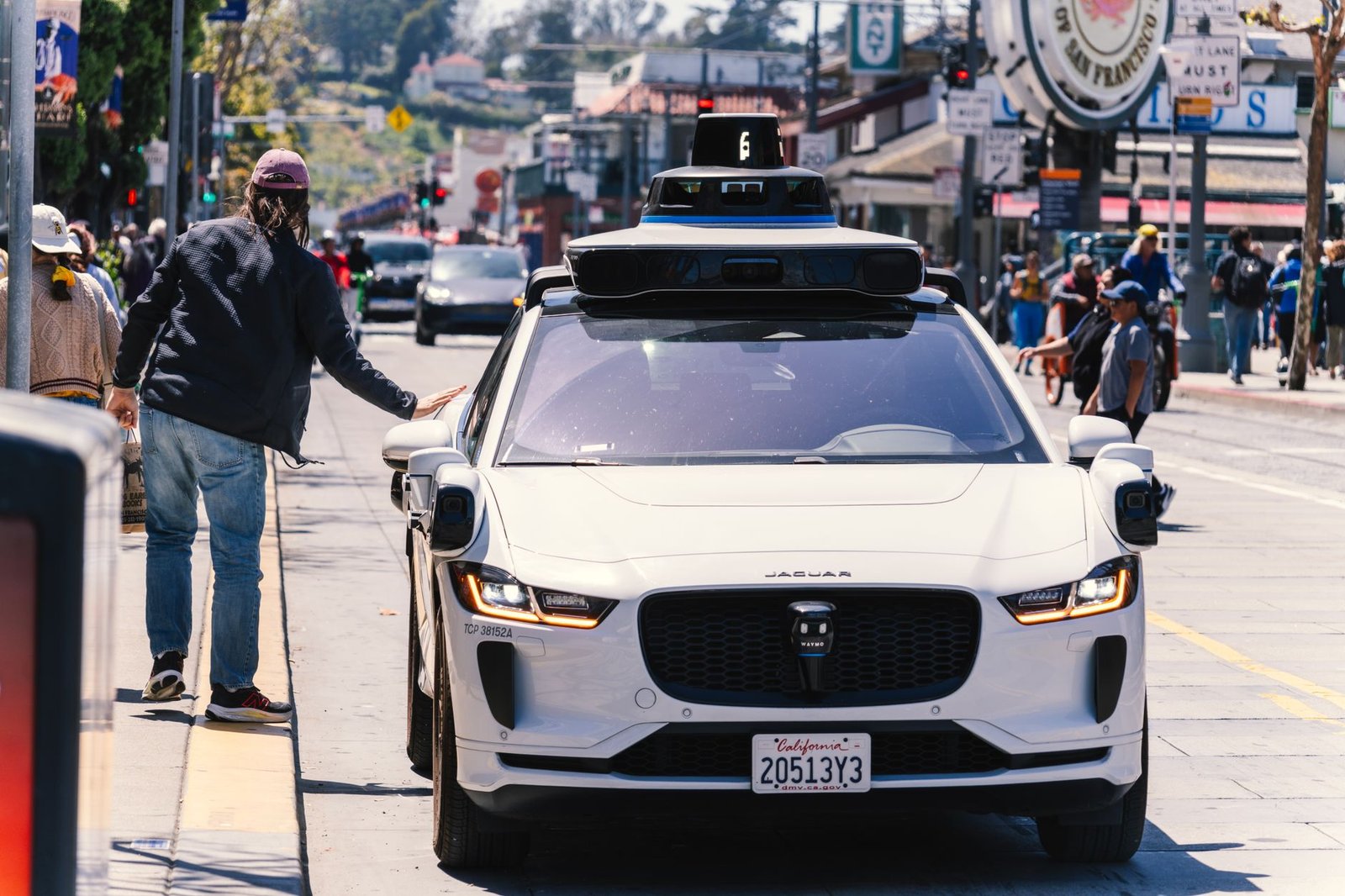
In a surprising turn of events, Santa Monica’s bustling streets have been disturbed by the gentle hum of artificial intelligence making its presence felt. Autonomous vehicles, typically heralded as the future of urban mobility, have found themselves in the middle of a legal squabble. But what does this mean for tech enthusiasts and city dwellers?

Key Takeaways
- A court ruling has restricted **Waymo’s** nighttime charging in Santa Monica due to noise complaints.
- The decision stems from residents’ concerns about light, sound, and traffic disruptions.
- This case spotlights the broader challenges of integrating AI technology into everyday life.
- It raises questions about balancing technological advancement with community harmony.
- Understanding the implications can help prepare for the future of autonomous vehicles in urban areas.
The Clash of Innovation and Daily Life
In a bustling tech landscape, few things catch the public’s imagination like **autonomous vehicles** (AVs), usually described as cars that drive themselves with little to no human input, using cutting-edge **AI technology**. These self-driving wonders have sparked curiosity and excitement, not just among tech enthusiasts but also among urban planners eager to solve city traffic woes. However, a recent court ruling has revealed that integrating these marvels into daily life isn’t without its challenges.
Understanding the Complaint
Residents of Santa Monica have voiced their concerns over **Waymo’s** overnight charging stations, which have allegedly created distractions through light and noise pollution. According to the claims, the continual flow of AVs for charging exacerbates traffic congestion in local streets and alleys. **Judge Bradley S. Phillips** of the Los Angeles Superior Court has sided with these concerns, seeing the setup as a potential “public nuisance,” thereby halting these overnight operations temporarily.
The Technology at Play
When we speak of **autonomous vehicles**, we’re delving into a realm where cars are equipped with sensors and software to interpret their surroundings and drive accordingly. These systems constantly collect data — from radar, cameras, and even **lidar** (a technique that uses laser light to measure distances) — to make split-second driving decisions. This advanced network requires significant energy, hence the necessity for consistent charging solutions.
Potential Impact on Urban Settings
This court decision in Santa Monica highlights the friction between emerging technologies and established communities. It poses the question: can burgeoning innovation find a place in neighborhoods designed long before the AI age? As cities strive to introduce such tech-savvy solutions for modern issues, urban planners must innovate to prevent clashes like these. One way to think about this is like introducing a new roommate into a well-settled household — with mutual understanding and adjustment being key.
Adapting to a Tech-Laden Future
For cities and tech firms alike, this scenario is a vivid reminder of the importance of ensuring that technological advances coexist gracefully with existing urban frameworks. Collaborative solutions between companies and local governments could prove instrumental in creating **smart cities** — urban areas that optimize technology use to conserve resources and improve living conditions.
As for Waymo, this could be an opportunity to innovate further. By rethinking energy distribution models or transitioning to quieter, energy-efficient charging setups, they can demonstrate that technology and community can thrive together.
The Road Ahead for Autonomous Vehicles
This legal battle sheds light on the complex interplay between AI, infrastructure, and societal norms. As autonomous vehicle technology grows, so will the discourse around its implications for our daily lives. While the current scenario in Santa Monica poses a roadblock of sorts, it also underscores the necessity for informed dialogue and creative problem-solving.
Looking forward, we might anticipate more innovative approaches that harmonize the ambitions of tech companies with the peace and rhythms of urban areas. As autonomous technologies mature, the lessons learned from this case could pave the way for smoother transitions into our digital future, ultimately benefiting everyone from daily commuters to tech aficionados.
