



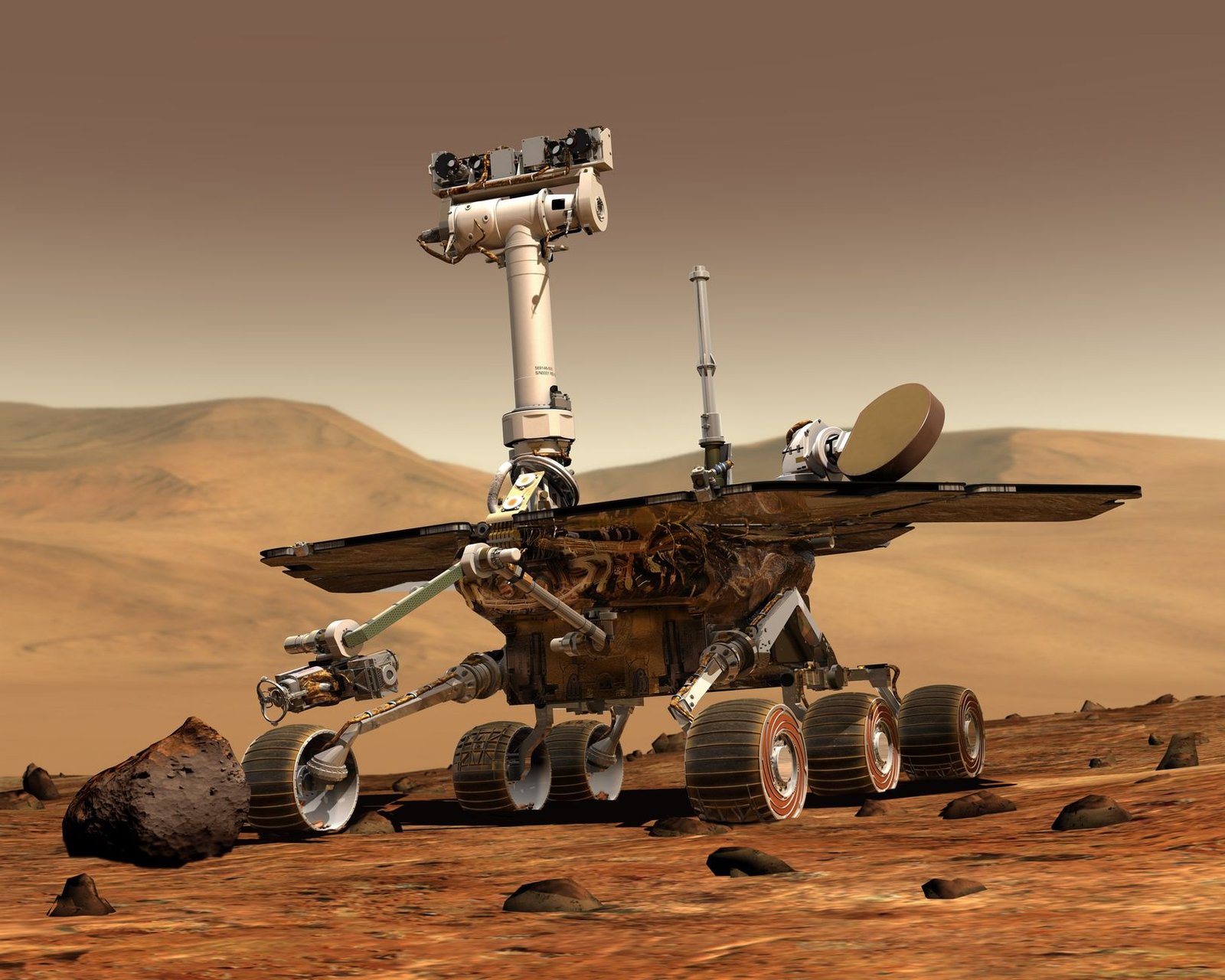
In an unprecedented shift, NASA is steering away from deploying new landers or rovers on the Martian surface, focusing instead on the unparalleled potential of **aerial drones** to explore the Red Planet. This marks a bold new chapter in extraterrestrial exploration.

- NASA embraces drone technology for Mars exploration.
- The upcoming SkyFall mission will deploy the first science drones to Mars.
- **Nuclear electric propulsion** will be demonstrated with the SR-1 Freedom mission.
- This shift showcases innovation by repurposing existing technologies.
- Helicopter success on Mars could redefine planetary exploration methods.
Why Helicopters, Not Rovers?
Traditionally, rovers have been the pioneering vehicles leading the charge for Mars exploration. These trusty machines have given us unprecedented insights into the Martian climate, geography, and potential for ancient life. Yet, while robust, rovers come with limitations, primarily their slow movement and terrain-specific restrictions. Herein lies the allure of **helicopters**—these compact aerial explorers can traverse difficult terrains that wheels simply cannot.
The Game-Changing SkyFall Mission
The **SkyFall mission**, slated for a late 2028 launch, represents NASA’s first significant foray into deploying drones specifically for scientific exploration on Mars. It comprises a trio of helicopters, pioneering a concept that was little more than science fiction just a few years back. These drones will hitch a ride with the **Space Reactor-1 “Freedom” mission (SR-1)**, whose primary goal is to utilize nuclear electric propulsion as a reliable power source for spacecraft venturing deep into space.
From Cancelled Projects to New Opportunities
The ambitious timeline for SR-1 Freedom is a testament to NASA’s agility and vision. The initiative has repurposed the core module initially designed for the now-cancelled Gateway lunar space station, transforming it into a testbed for groundbreaking technology. The mission is budgeted at an estimated $2.1 billion and showcases NASA’s adeptness at pivoting from setbacks to new opportunities.
Learning from Ingenuity
NASA has drawn invaluable lessons from the success of **Ingenuity**, the first helicopter to fly on Mars. Ingenuity demonstrated that controlled, powered flight is feasible on another world—a feat that was previously uncertain due to Mars’ thin atmosphere, which offers only about 1% the density of Earth’s. By expanding on this milestone, SkyFall aims to collect higher volumes of data from more varied locales, enhancing our understanding of Mars in ways previously unimaginable.
A Real-World Analogy
Imagine the difference between exploring a vast city on foot versus using a drone. While walking gives details from the ground, a drone provides a comprehensive aerial view, capturing aspects traditional exploration might miss. Similarly, Mars helicopters will offer new insights into the planet by accessing places that ground-bound rovers simply can’t reach.
Looking to the Future
It’s increasingly clear that as **artificial intelligence (AI)** evolves, its role in missions like these will expand exponentially. From autonomous navigation to advanced data processing, AI could drive significant efficiencies and breakthroughs in planetary exploration. As SkyFall and similar missions unfold, they not only promise to unlock more secrets of Mars but also redefine our tools and strategies in exploring extraterrestrial worlds.
