



Imagine a world where your child can turn their wildest imaginations into tangible reality with just a few clicks. This isn’t some distant sci-fi dream—welcome to the world of 3D printing, where the line between dreams and reality blurs wonderfully. But should you bring this burgeoning world into your home?
Key Takeaways
- 3D printing offers educational benefits that can spark creativity and critical thinking.
- The technology has become more accessible and affordable for families.
- Careful consideration of safety and supervision is essential.
- Understanding the necessary maintenance can prepare you for challenges.
- Introducing kids to 3D printing could open doors to future career opportunities.
Why Consider a 3D Printer for Your Child?
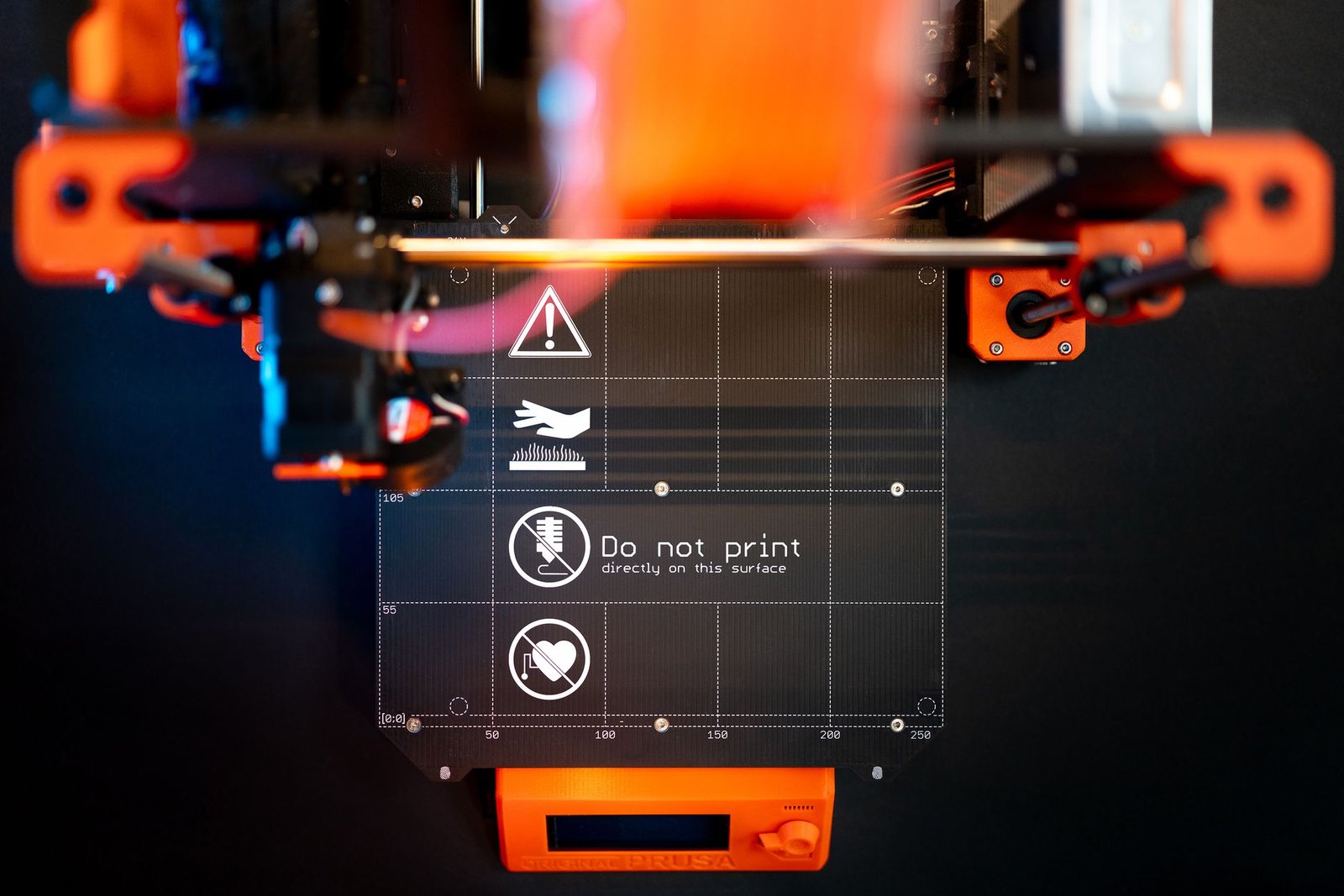
3D printers have become the modern equivalent of a magic wand, and introducing your child to this technology can be a transformative experience. These devices enable the production of physical objects from digital designs, a process termed as **additive manufacturing**. It’s like giving children the power to bring their imaginative designs to life, layer by layer.
Unleashing Creativity and Imagination
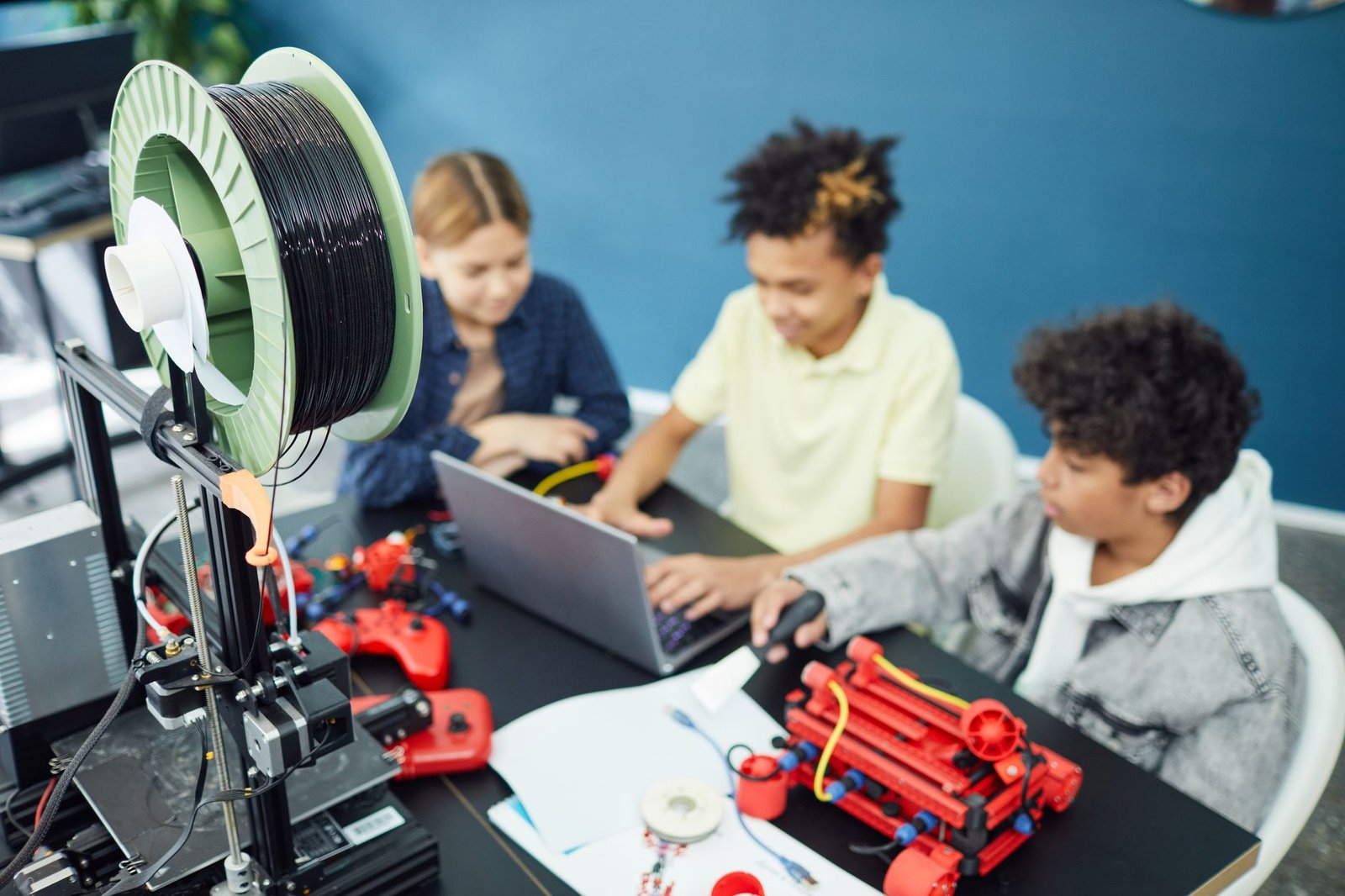
Much like artists have canvases to express their ideas, a 3D printer serves as a canvas for your child’s imagination. The ability to design and print toys, models, or even school projects encourages critical thinking and problem-solving skills. It’s akin to building a world within the sandbox of their own design, which helps nurture **spatial understanding** and **creativity** in ways traditional methods might not.
Educational Enrichment and Curriculum Integration
Beyond creativity, 3D printing introduces complex subjects in an engaging manner. Schools increasingly incorporate this technology into their curriculums, highlighting its potential in teaching STEM (Science, Technology, Engineering, and Math) topics. For instance, mathematical concepts related to volume and structure become more intuitive as students create physical models.
The Practical Aspects: Cost and Maintenance
Gone are the days when 3D printers were prohibitively expensive. Prices have plummeted, and basic units for home use are now available at a price similar to that of a regular gaming console. However, remember, the initial purchase is just the beginning. **Maintenance** involves not just replacing printing materials but also ensuring the printer’s mechanical parts run smoothly. Having a bit of tech know-how or the willingness to learn can be useful for troubleshooting at home.
Ensuring Safety and Responsibility
Though 3D printers are relatively safe, there are hazards associated with their use. Supervision is crucial, especially for younger children, as these devices involve high temperatures during the printing process. Setting up a **safe space** for printing, educating your child about the do’s and don’ts, and ensuring they use the printer under guidance can foster responsible behavior.
Real-World Applications: Bringing Concepts to Life
Consider the case of a kid who loves playing with action figures. With a 3D printer, they’re not just limited to what’s available in stores. They can design and print unique figures based on their own characters—a hobby that doesn’t just entertain but may ignite a passion for design, engineering, or storytelling.
Prepping Kids for the Future Workforce
As industries lean more on additive manufacturing, skills in 3D printing could be pivotal. Giving children a head start in learning these skills might just open doors to lucrative careers in engineering, product design, and beyond.
In conclusion, deciding to buy a 3D printer for your child comes with a wealth of benefits and considerations. Embrace this opportunity as a gateway to developing problem-solving skills, technical knowledge, and creative thinking. The world of AI and additive manufacturing is rapidly expanding, and your child’s engagement with such technology today could pave their way as innovators of tomorrow.
