




Picture this: an invisible force lurking in cyberspace, capable of breaching the digital fortresses of communication apps we rely on daily. The U.S. government is now offering a staggering $10 million reward for any information that could help unmask a Russian state-sponsored hacking group responsible for infiltrating thousands of Signal and WhatsApp accounts belonging to investigative journalists and U.S. government officials.
Key Takeaways
- The U.S. is offering up to $10 million for information on a Russian cyber group.
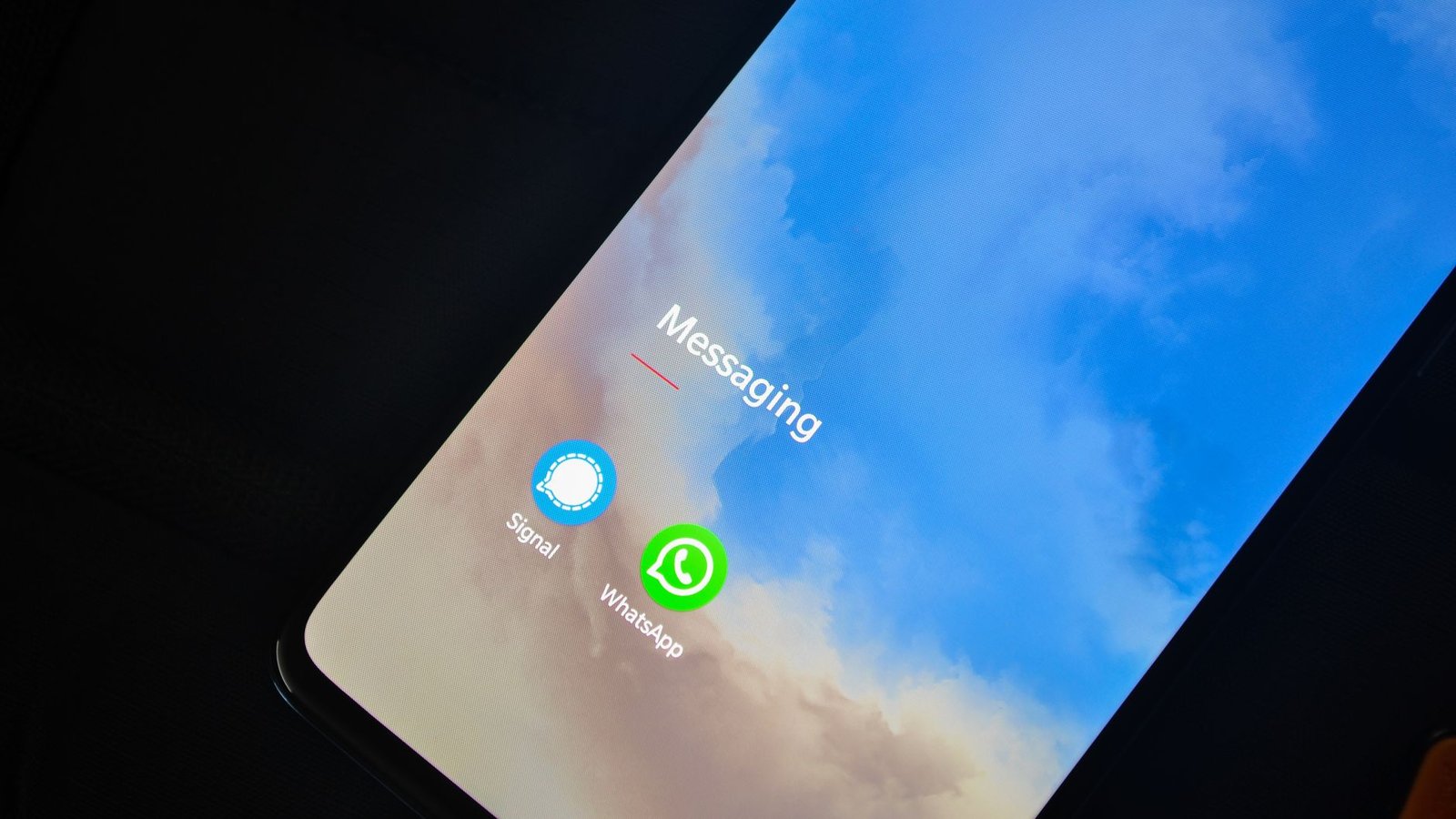
- The group has targeted Signal and WhatsApp, popular secure messaging apps.
- The operation has been ongoing since March, targeting high-profile individuals.
- Phishing tactics are being used to trick users into giving up access to their accounts.
- This incident underscores the critical need for enhanced cybersecurity measures.
The Chilling Operations of an Elusive Cyber Group
Since March, a shadowy operation linked to Russian intelligence services has been sweeping through Signal and WhatsApp accounts. **Phishing**, a deceitful tactic where attackers send seemingly harmless messages posing as trusted entities, is at the heart of this operation. These messages, disguising themselves as automated support notifications, coax users into clicking links or entering sensitive information like verification codes or account passcodes. Once victims comply, their accounts are at risk of being hijacked—like unwittingly giving a stranger a key to your home.
Phishing Explained
Think of phishing as a digital trap. It’s akin to receiving a call from someone claiming to be your bank, urgently requesting private details to “verify your identity.” Responding carelessly would endanger your finances, and in the digital realm, it could lead to complete control of your online accounts by cybercriminals. Staying vigilant against such schemes is crucial, especially in protecting accounts containing sensitive information.
The High Stakes of Cybersecurity
With targets that include investigative reporters and U.S. government personnel, the implications of these breaches are massive. Secure messaging applications like Signal and WhatsApp are often the first line of defense for communication involving confidential or sensitive information. **Encryption** is a term that frequently pops up in conversations about these apps. It’s a method of transforming readable data into an unreadable format to anyone except those with special access (analogous to a secret code used by spies). Breaching such platforms suggests a high degree of sophistication on the part of the attackers.
Real-World Analogy: The Vault Breach
Imagine a high-tech vault designed to protect invaluable treasures. The vault itself is impervious, but attackers find a way to trick the guard—or in this case, the account owner—into unlocking it. This is similar to how hackers bypass technological defenses by exploiting human error or unfamiliarity with security protocols. No matter how advanced the software, the human element remains a critical factor in cybersecurity.
Navigating the Future of AI and Cybersecurity
As AI continues to advance, its role in cybersecurity will be pivotal. AI-driven systems are increasingly being used to detect and fend off phishing attempts by recognizing patterns that human analysts might miss. However, as AI becomes more sophisticated, so too do the tactics employed by cybercriminals. This evolving cat-and-mouse game signals that the future of cybersecurity will depend heavily on cutting-edge technology powered by AI innovations.
While the digital battleground grows complex, the reward for information on this elusive group highlights a global recognition of the importance of securing digital spaces. It serves as a wake-up call to individuals and organizations alike to adopt robust cybersecurity measures, bolstering defenses against the cyber threats of tomorrow.
