


In our world of constant app notifications and limitless scrolling, regaining control over digital distractions has never been more essential. A simple yet ingenious tool now offers a tangible solution to digital overindulgence.
- A $9 NFC key can help curb your app addiction by acting as a physical barrier to digital distractions.
- The device uses Near Field Communication (NFC) technology to lock specific apps, requiring a scan to access.
- This gadget offers a real-world approach to disconnecting and focusing more effectively.
- Understanding how NFC works can broaden your appreciation of its applications beyond contactless payments.
- Tools like this could foster new environments of mindful app usage and digital well-being.
What Exactly is This $9 Key?
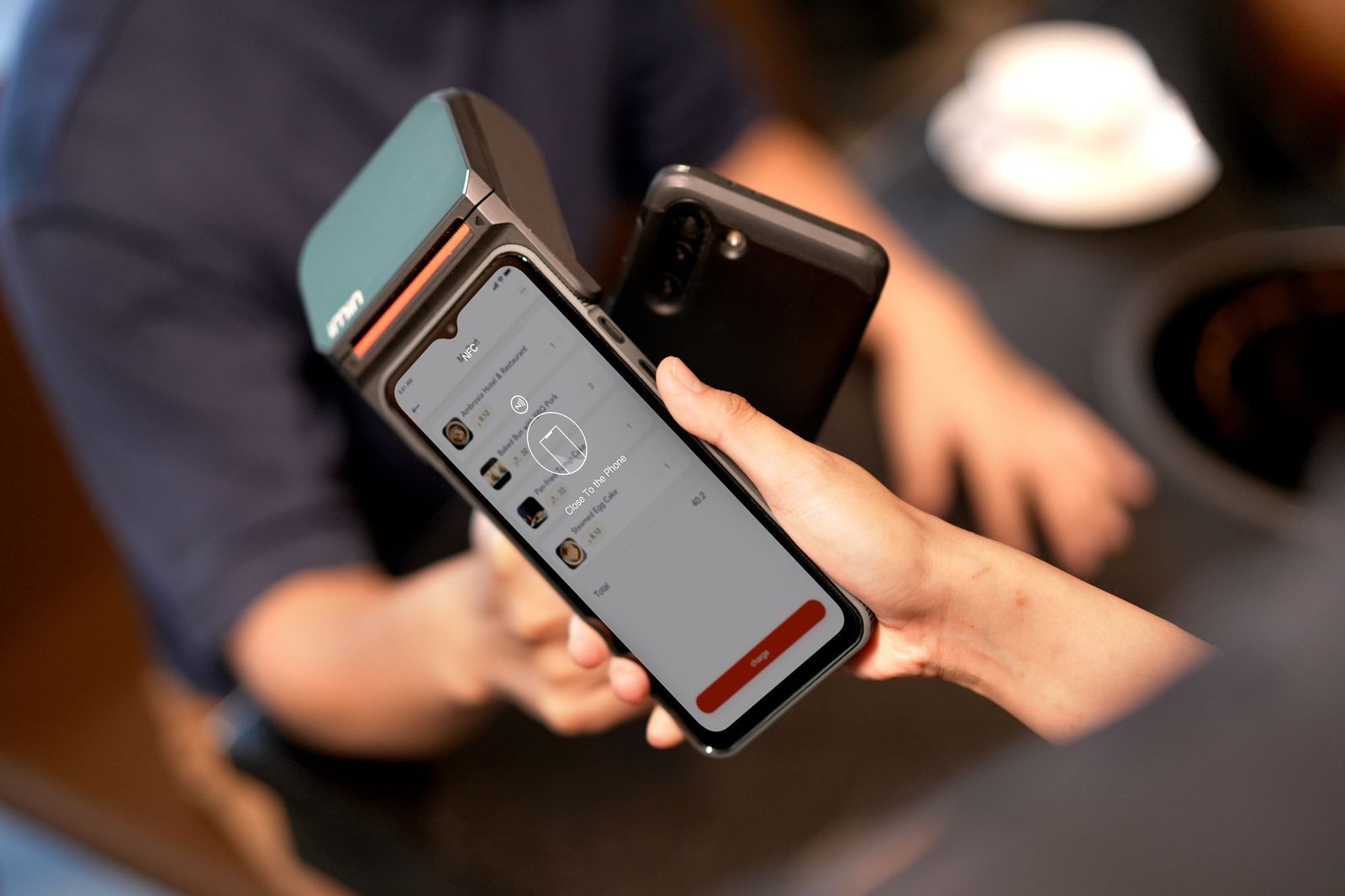
Imagine a tiny key that, when waved over your smartphone, grants you access to the apps you can’t help but endlessly browse. This unassuming piece of technology isn’t just a *key*; it’s a physical gateway to digital *self-control*. Rooted in **Near Field Communication** (NFC)—a technology that enables devices to communicate when they’re brought within a few centimeters of each other—this tool requires you to actively scan it to unlock your most distracting apps.
The Mechanics of NFC
You’ve likely encountered NFC in the form of contactless payments, like tapping your card to complete a purchase. But its uses extend far beyond your wallet. NFC is designed to facilitate seamless communication between devices by using electromagnetic induction to transfer data at high frequencies over short distances. It’s this short-range, interactive communication that transforms a key into a smartphone gatekeeper.
How This Tool Changes Your Digital Routine
Once you configure the NFC key with your smartphone, specific apps become inaccessible unless this physical key is scanned. The psychological impact here is powerful. By introducing an additional step, the gadget amplifies our sense of control—adding a moment’s pause into what would typically be an automatic behavior. **It’s like having a lock on your cookie jar; you can only indulge if you really want to, and that extra step helps determine if it’s worth it.**
Real-World Application
Consider Sarah, a student struggling to concentrate on her studies because of constant alerts from social media. By implementing the $9 NFC key into her daily routine, she has managed to segment her time better. Whenever she feels tempted to scroll, the extra step of reaching for the key makes her reconsider her priorities. For her, the key isn’t just a technological device; it’s a **behavioral checkpoint** that reinforces her focus and productivity.
What This Means for AI and the Future
As **Artificial Intelligence** continues to integrate into our day-to-day lives, products like the NFC key illustrate a growing trend: using technology to help counter its own addictive tendencies. Tools that offer purposeful interaction with technology encourage mindful usage rather than mindless consumption.
Looking forward, we might expect to see more innovations that leverage simple technologies like NFC to cultivate healthier relationships with our devices. This evolution hints at a future where AI doesn’t just seduce attention but works in tandem with humans to steward it wisely. Allowing us an environment to focus, grow, and thrive, without being shackled by constant digital noise, brings hope for a balanced, future-centric approach to technology.
