



Imagine a world where the virtual and the real blend seamlessly, but the risks of such an interplay are not always apparent. The recent experiment with AI-generated images in Google Earth showed us how this innovative technology can both amaze and alarm. Let’s delve into the potential and perils of AI-generated imagery within digital globes.
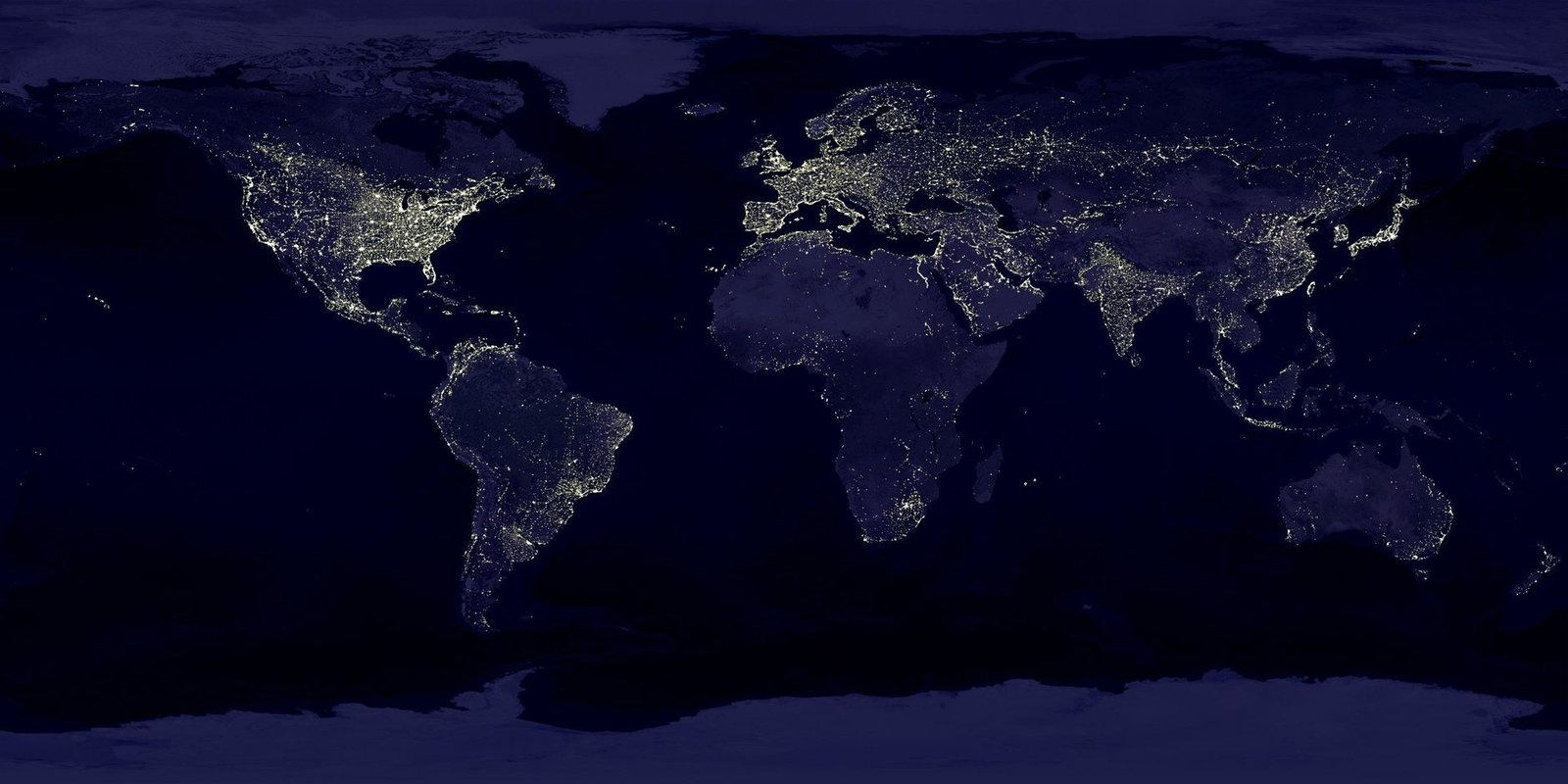
Key Takeaways
- AI image generators can create incredibly realistic yet fictional satellite images.
- Misinformation risks arise when AI-generated images are indistinguishable from real photographs.
- Google employs digital watermarks to identify AI-altered images, aiding in the fight against misinformation.
- User education and vigilance are crucial in navigating AI-generated content responsibly.
- Ongoing technological advancements may fine-tune the precision and application of AI-generated imagery.
The Intersection of Reality and AI Creativity
In recent years, **Artificial Intelligence (AI)** has revolutionized how we create and perceive images. With tools like Google Earth’s experimental feature, it became possible to generate astonishingly realistic yet entirely fictitious satellite imagery based solely on a simple text prompt. Consider how this ability to manipulate and transform visual data might help urban planners visualize future developments or historians recreate ancient landscapes.
The Dark Side: Misinformation Threats
However, the same technology that fuels creativity can also encourage misinformation. Digital Digging’s Henk van Ess used this now adjusted feature to fabricate realistic scenes, such as “refugees near the Mexican border” and a “bomb crater near a hospital in Gaza,” underscoring the ethical dilemma of **AI-enhanced reality**. These images, although not real, illustrate the power of AI in shaping narratives, potentially swaying public opinion based on emotional and visual cues.
The Safety Net: Digital Watermarks
Google’s response to these concerns was swift. To combat the spread of misinformation, they developed a tool called **SynthID**, a digital watermark that marks an AI-generated image, making it detectable through Google’s Gemini app or Lens in Search. This proactive approach allows users to verify image authenticity, which is crucial in maintaining public trust in visual information.
Analogies in Action
Imagine an AI-generated image is like a beautifully crafted counterfeit bill. Without a sophisticated system to detect its falseness, commerce would be chaotic, and trust in currency would erode. Similarly, without tools to distinguish AI creations from reality, our trust in digital media could falter.
The Future of AI and Digital Imagery
The conversation surrounding AI image generation is only beginning. As we stand on the brink of a future where AI seamlessly integrates with daily digital interactions, these challenges highlight the need for transparent guidelines and enhanced technological safeguards. In this new frontier, the balance between innovation and ethics will be key. As AI continues to evolve, the lessons from Google Earth’s experiment will serve as a touchstone for responsible advancement, ensuring that technology enhances rather than undermines our shared reality.
