



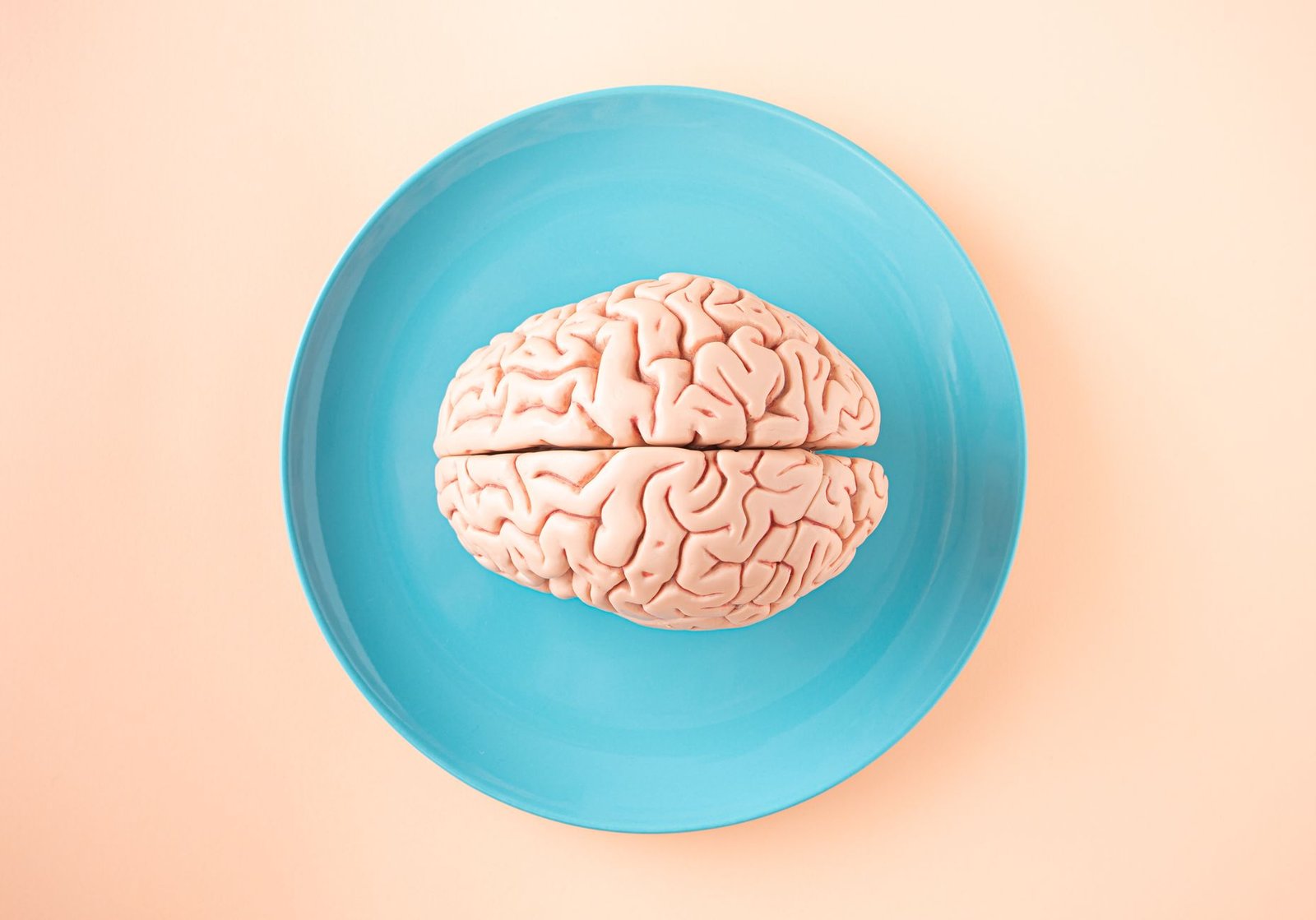
Imagine if you could hit the pause button on reality, taking a deep nap while your brain’s connections play musical chairs—and yet, upon waking, every cherished memory remains intact. This concept, once relegated to science fiction, is now a frontier of neuroscience research involving tiny mammals and the hidden mechanisms of memory.
Key Takeaways
- Memory storage involves strengthening neuron connections, which are constantly changing.
- Inducing hibernation-like states in mice can radically alter synapse arrangements.
- Despite synapse alteration, mice appear to retain their memories.
- The study unveils potential advances in understanding memory resilience.
- This research may inform future developments in AI memory systems.
Understanding Memory and Synaptic Plasticity
At the core of memory storage lies a fascinating process: when we learn something new, the connections between neurons—or synapses—become stronger and more substantial. This strengthening, crucially, forms the physical basis of memory. Yet, these synaptic arrangements don’t remain static; they’re highly plastic, meaning they can change shape and strength over time.
The Challenge of Synaptic Change
Dr. Kazumasa Tanaka from the Okinawa Institute of Science and Technology Graduate University in Japan emphasizes the dynamic nature of synapses: “If you compare the arrangement of these connections on day one with the same on day four or five, it’s very, very different.” This variability raises a perplexing question: how can our memories endure on a ‘hardware’ that changes every few days?
The Dramatic Shift: Inducing Hibernation
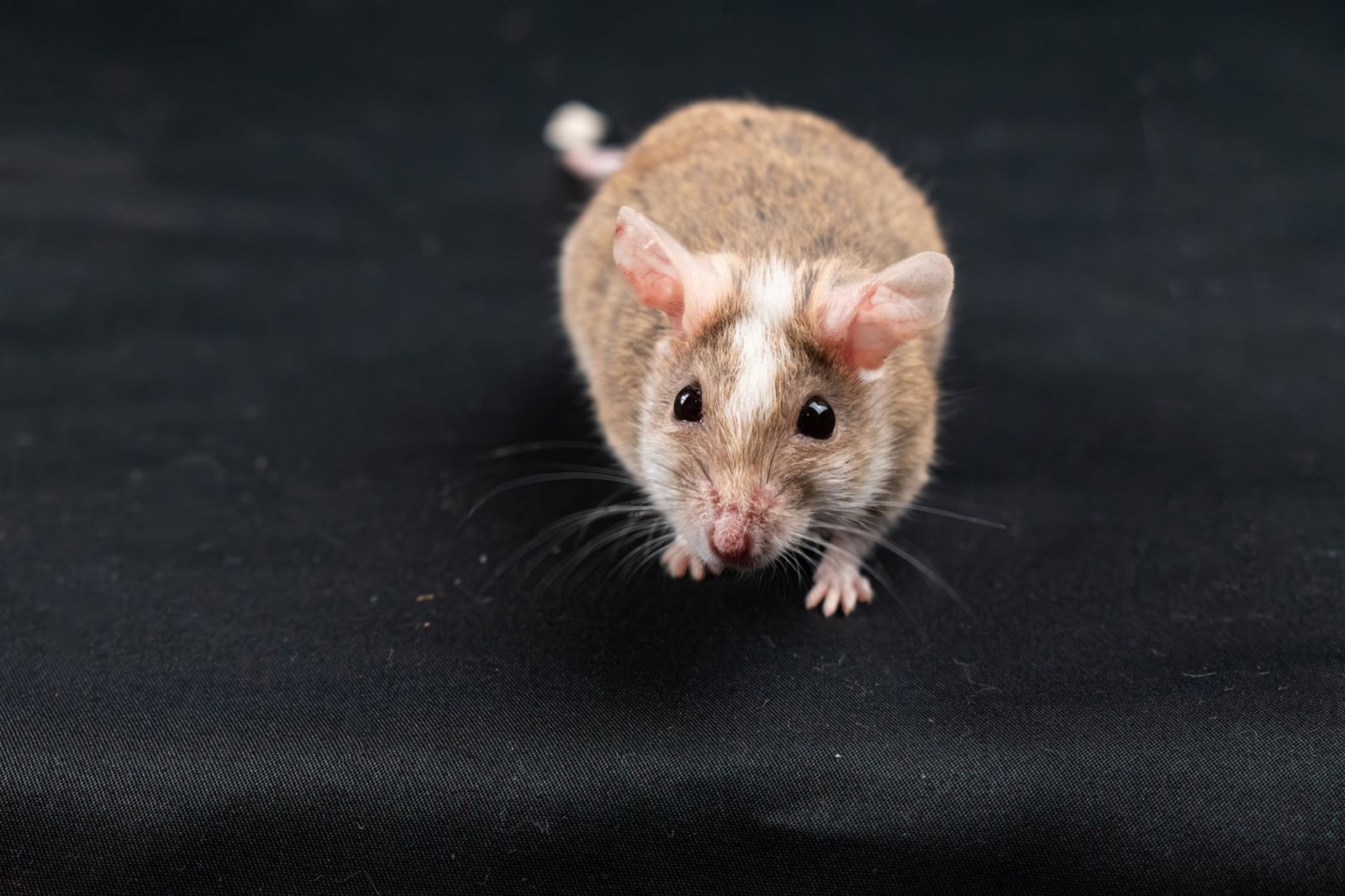
Tanaka’s team approached this question with an innovative experiment: they created a more pronounced shift in synaptic connections by inducing a hibernation-like state in mice. During hibernation, mammals reduce their metabolic rate and enter a state of torpor, essentially going ‘offline’ for a period. Surprisingly, this hibernation-like state obliterated over half of the mice’s synapses—yet the mice seemed to retain their memories.
Hibernation Across Species
Hibernation is typically associated with creatures like bears and squirrels, designed for survival through harsh conditions. However, the neural circuits that initiate this state seem to be conserved across mammals. In 2020, a research team led by neuroscientist Takeshi Sakurai at the University of Tsukuba uncovered a method to artificially trigger this hibernation mechanism in species that don’t naturally hibernate, such as mice. By activating Q neurons in the hypothalamus, they effectively simulated hibernation in these rodents.
Real-World Analogies
To illustrate the resilience of memory amidst changing synapses, think of it like a bustling city where roads are constantly rerouted and buildings moved, yet somehow, everyone still remembers how to navigate home. This persistence suggests an underlying organizational framework strong enough to withstand significant changes and still maintain its core functions.
The Implications for AI
The intriguing findings from this study could have profound implications for artificial intelligence. As AI systems evolve, understanding how to build models that retain memory even when the underlying system architecture changes could be crucial. This is especially relevant as we develop more sophisticated AI capable of learning, adapting, and functioning in dynamic environments.
Looking ahead, this research opens exciting avenues for both neuroscience and AI. By unlocking the secrets of synaptic resilience and memory retention, we stand on the brink of revolutionary advancements in machine learning and computing systems that mirror the adaptable brilliance of the human brain. The future of AI could very well reside in its ability to thrive on change while preserving the essential fabric of learned knowledge.
