




Imagine a world where our thirst for technological advancement starts to compete with our most basic necessity—water. As artificial intelligence continues to grow, this scenario is becoming all too real. Data centers, the backbone of AI, are under scrutiny for their significant water usage, crucial for keeping their operations cool. So, how big of a problem is AI’s water consumption?
Key Takeaways
- The rapid expansion of data centers has led to increased focus on water consumption.
- Water is used to cool processors, functioning much like sweat cools the human body.
- Reports on AI’s water usage vary widely, leading to confusion and misinformation.
- Transparency from tech companies is lacking, making it difficult for the public to assess the situation.
- Understanding AI’s environmental impact is crucial for sustainable development.
The Role of Data Centers in Water Usage
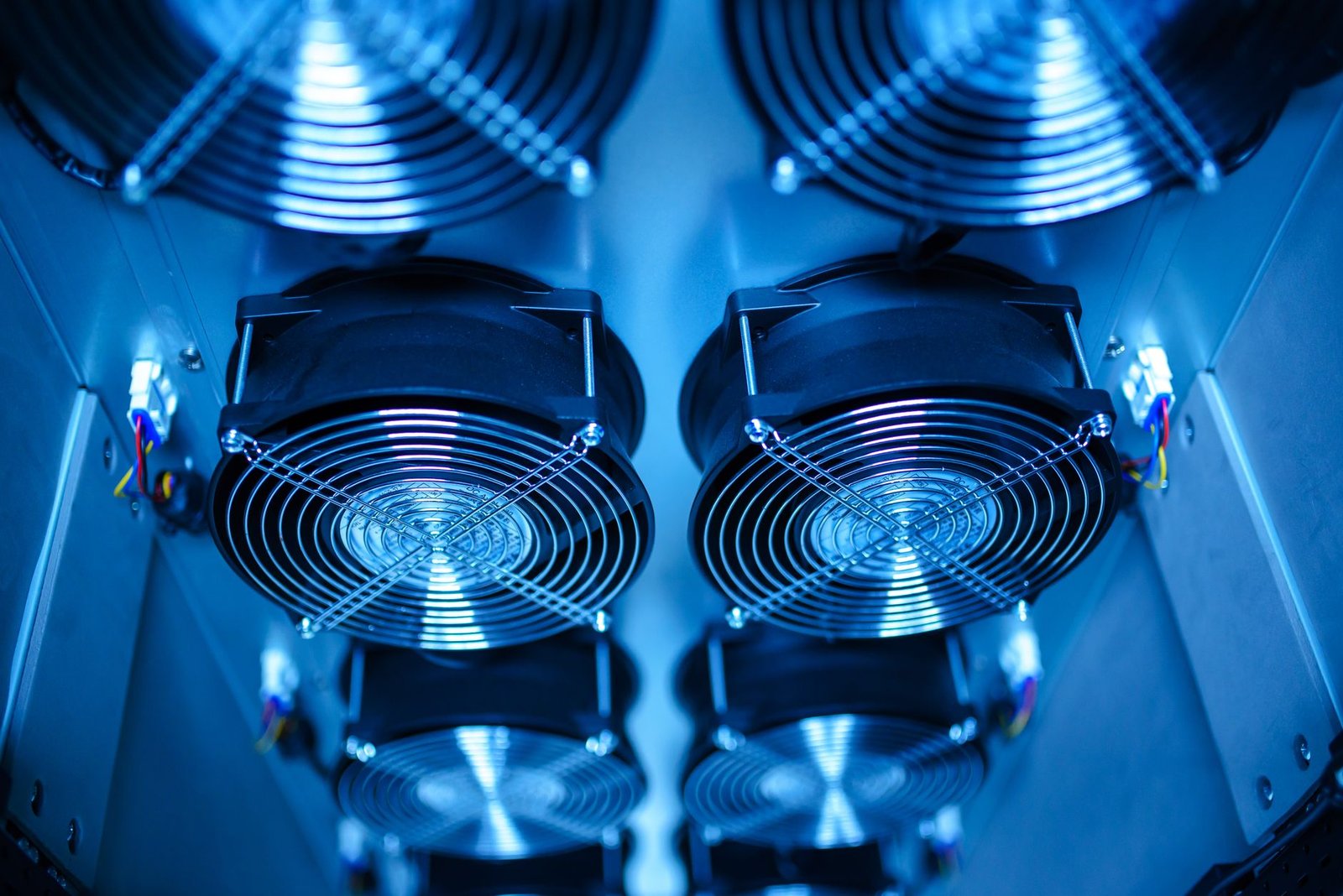
Data centers are complex facilities that house powerful processors responsible for managing, processing, and storing massive amounts of data. These processors generate a lot of heat, much like a laptop does when it’s overworked. To prevent overheating, these centers rely on cooling systems, many of which use water. Just as humans sweat to cool down, water evaporates in these systems to absorb and dissipate heat, keeping everything running smoothly.
Conflicting Claims and Data Inconsistencies
With the increased concern over environmental issues, particularly in regions like Texas, New Mexico, and Arizona, conflicting information about AI’s water use has surfaced. Some circulate claims suggesting chatbots consume up to 500 ml of water per query, while others argue that the impact is negligible. The truth remains elusive, as few tech companies provide comprehensive, consistent data on their water usage.
Understanding the Numbers
It’s important to dig into why there’s so much confusion surrounding these numbers. One reason is the lack of industry-wide standards for measuring and reporting water consumption in data centers. As a result, figures tend to vary based on what and how different companies choose to report them. This often leads to misinformation, making it challenging to form a clear picture of AI’s actual environmental footprint.
A Real-World Perspective
Think of a data center as a city’s power plant. Both are necessary for modern living, both require resources, and both need efficient ways to manage waste and cooling. A city’s power plant may use water to cool its systems, much like a data center does for its processors. The challenge is similar: how do you balance operational needs with conserving precious water resources? Just as cities innovate to reduce their environmental impact, data centers, too, must evolve.
Looking Ahead: Navigating AI’s Sustainable Future
As AI continues to advance, the responsibility falls on both tech companies and regulatory bodies to ensure that its growth doesn’t come at the expense of our natural environment. Transparent reporting, innovative cooling technologies, and industry-wide cooperation will be vital in addressing these concerns. In the future, we may see more tech firms exploring alternative cooling methods or investing in sustainable water use initiatives, ensuring that AI’s development aligns with our planet’s environmental needs.
