



The intrigue surrounding **Apple** and **OpenAI** escalates as Apple broadens its investigation into potential trade secret misappropriation. As new allegations surface, this case promises to shed light on the often-complicated relationship between technology firms and intellectual property.
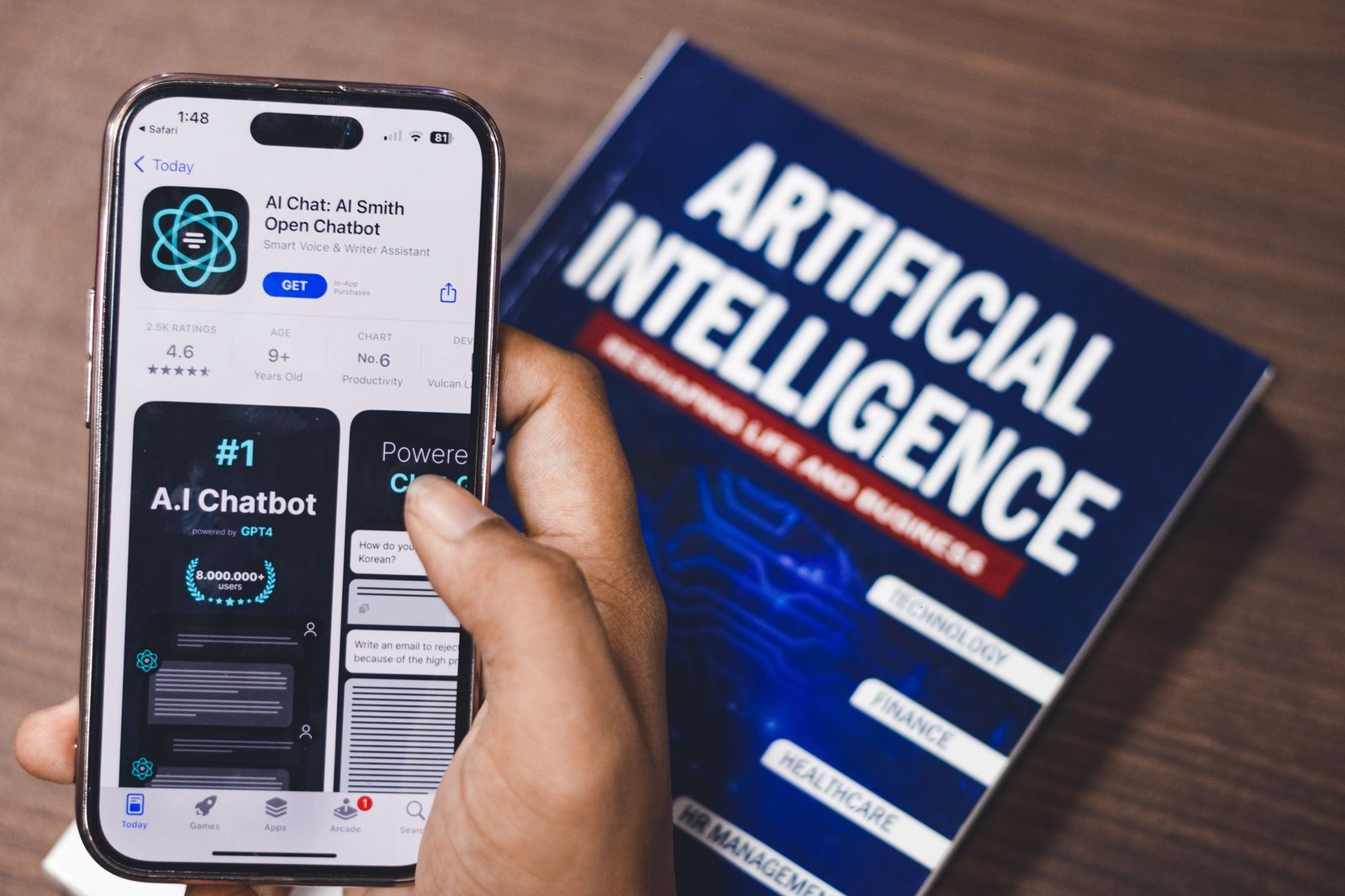
Key Takeaways
- The investigation targets ex-Apple employees potentially taking confidential information to OpenAI.
- Trade secret breaches are serious but not uncommon in competitive tech industries.
- The situation reflects broader industry challenges regarding employee transitions.
- Evolving case outcomes may influence future corporate policies on data security.
- The resolution could impact how intellectual property law is interpreted in tech.
The Expanding Scope of Investigation
Apple’s scrutiny over its former employees has intensified, as more names are added to their list of suspects possibly involved in sharing **confidential data** with **OpenAI**. Initial suspicions have blossomed into a more extensive inquiry, suggesting deeper issues at play. This development underscores the **importance of safeguarding trade secrets**, which are vital for maintaining competitive advantage in technology sectors.
What Are Trade Secrets?
For those unfamiliar, trade secrets are **proprietary techniques, processes, or information** not generally known to the public, granting businesses a competitive edge. Think of them as a secret recipe like **Coca-Cola’s formula**. In tech companies, such secrets often include software code, algorithms, and specialized processes.
The Broader Implications of Intellectual Property Conflicts
The unfolding scenario between Apple and OpenAI serves as a microcosm of what many tech firms face today. The balance between protecting **intellectual property** and fostering an innovative environment that encourages employees to explore their full potential elsewhere is delicate.
The Fine Line of Employee Mobility
Moving between jobs is commonplace, but when employees switch roles within fiercely competitive industries, questions arise. Can they truly leave behind their learned skills and knowledge, and do they unintentionally carry confidential information? Apple’s legal approach highlights the fine line companies walk to manage these transitions without stifling human capital development.
A Real-World Parallel
Consider the world of professional sports, where athletes frequently move between teams. These athletes bring with them a wealth of personal experience and knowledge acquired over their careers, sometimes including team strategies or playbooks. Similarly, in tech, employees may carry intrinsic expertise with them, but drawing the line between personal proficiency and confidential knowledge can be tricky.
Lessons in Data Security
As Apple’s investigation unfolds, companies are reminded of the **crucial nature of data protection practices**. Implementing robust data security measures, clearly defined NDAs (Non-Disclosure Agreements), and employee training on intellectual property governance are necessary to mitigate risks. The ecosystem needs to ensure fair competition without infringing on legal and ethical boundaries.
The Future of AI and Intellectual Property
What does this mean for the future of AI and similar fields? The outcome of Apple’s investigation and any ensuing legal decisions may set precedents, influencing how corporations handle intellectual property rights and employee transitions. As AI continues to evolve rapidly, this case urges firms to reassess their strategies around protecting intellectual assets without hindering innovation.
The resolution of this case might reshape corporate policies and redefine the boundaries of intellectual property in high-tech realms. As AI becomes ever more central to our lives, understanding these dynamics is essential for anyone interested in the future of technology.
