

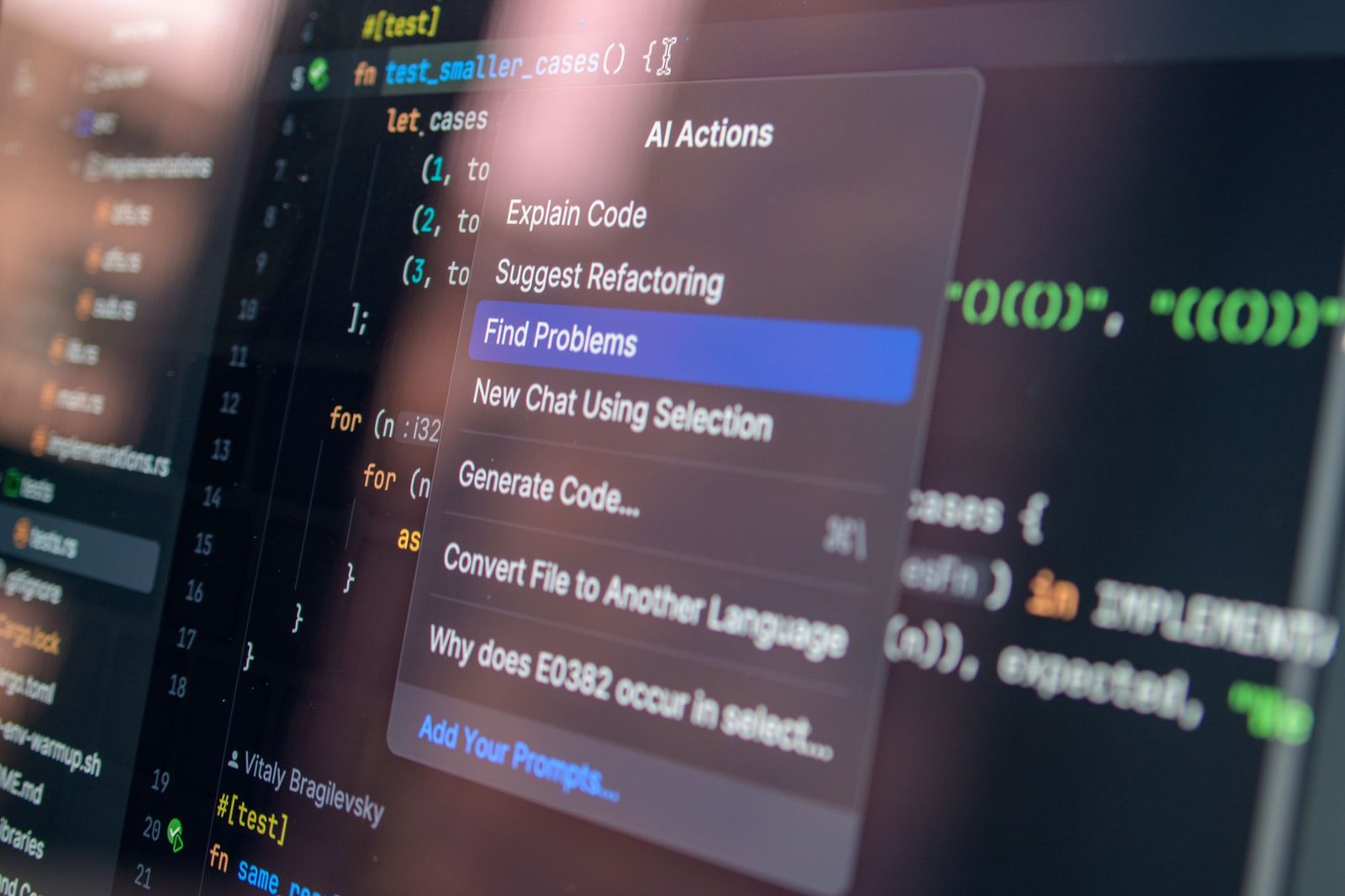
The landscape of AI code assistants is rapidly changing, and a new contender is challenging the norms with a compelling proposition. Goose, a free open-source AI coding tool, offers developers powerful coding capabilities without the hefty price tag of similar platforms.
Key Takeaways:
- Goose provides an AI coding assistant that runs locally on your own computer, ensuring data privacy.
- The tool is completely free, with no usage caps or subscription fees.
- It can perform complex coding tasks, offering autonomy in workflows.
- The open-source model runs on local hardware and is supported by community contributions.
The Cost of AI Coding Tools: A Barrier to Innovation?
As AI continues to revolutionize the coding landscape, tools like Claude Code have become invaluable to developers. However, their pricing—ranging from $20 to $200 monthly—limits accessibility. Developers require tools that enhance productivity without breaking the bank. Enter Goose, developed by Block, offering similar features cost-free.
Why Goose is Gaining Popularity
Goose’s appeal lies in its ability to run entirely on a user’s local machine, providing unrestricted access to AI coding capabilities. Unlike its commercial counterparts, Goose demands no subscriptions or cloud dependencies, keeping your data secure and your wallet intact. This freedom makes Goose especially appealing to developers frustrated with the usage caps imposed by proprietary tools like Claude Code.
Technical Insights: How Goose Works
Goose operates by enabling local execution of language models, which means your device handles all computations. To accomplish this, Goose uses an infrastructure known as an on-machine AI agent, activating open-source language models on your local server. Technical details aside, imagine if your smartphone could transform into a mini supercomputer, handling tasks without external assistance—this is Goose’s foundational promise.
Setting Up Goose: A Simple Guide
Setting up Goose is a breeze, requiring the installation of Ollama, a tool for running open-source models on personal computers, and Goose itself. However, adequate memory is crucial, as running complex models uses substantial RAM. Recommended systems should boast at least 32 gigabytes to manage larger models. Even if you’re starting small, remember, advanced setups can elevate this experience to a practical everyday tool.
Real-World Example
Consider a freelance web developer who frequently travels. With Goose, they could debug software 35,000 feet in the air, miles from Wi-Fi, using only their laptop’s processor. Such scenarios empower coders to work independently of restrictive cloud services, transforming their workflow dramatically.
The Competitive Edge of Goose
Open-source communities thrive on collaboration and constant evolution, making Goose a continually improving tool. Its compatibility with multiple language models offers flexibility unmatched by subscription-based services. Although openness and flexibility come at the cost of needing sufficient local hardware, for many, this remains a worthwhile trade-off.
Looking Ahead: The Future of AI Coding
As open-source options like Goose continue to mature, the AI coding tool market is set for transformation. With each iteration, these models narrow the gap with their proprietary counterparts, foreshadowing a future where costless, high-caliber tools are universally accessible. The implications are significant, as they indicate an industry shift towards decentralization and greater freedom in tech development. Don’t be surprised if the era of expensive AI coding tools gives way to one where Goose and its open-source kin shape the new industry standard.
