
The rise of AI-generated music is creating a new detective genre, as musicians become sleuths in search of originality. How are artificial intelligence tools reshaping the music industry, and why is their impact proving so profound?
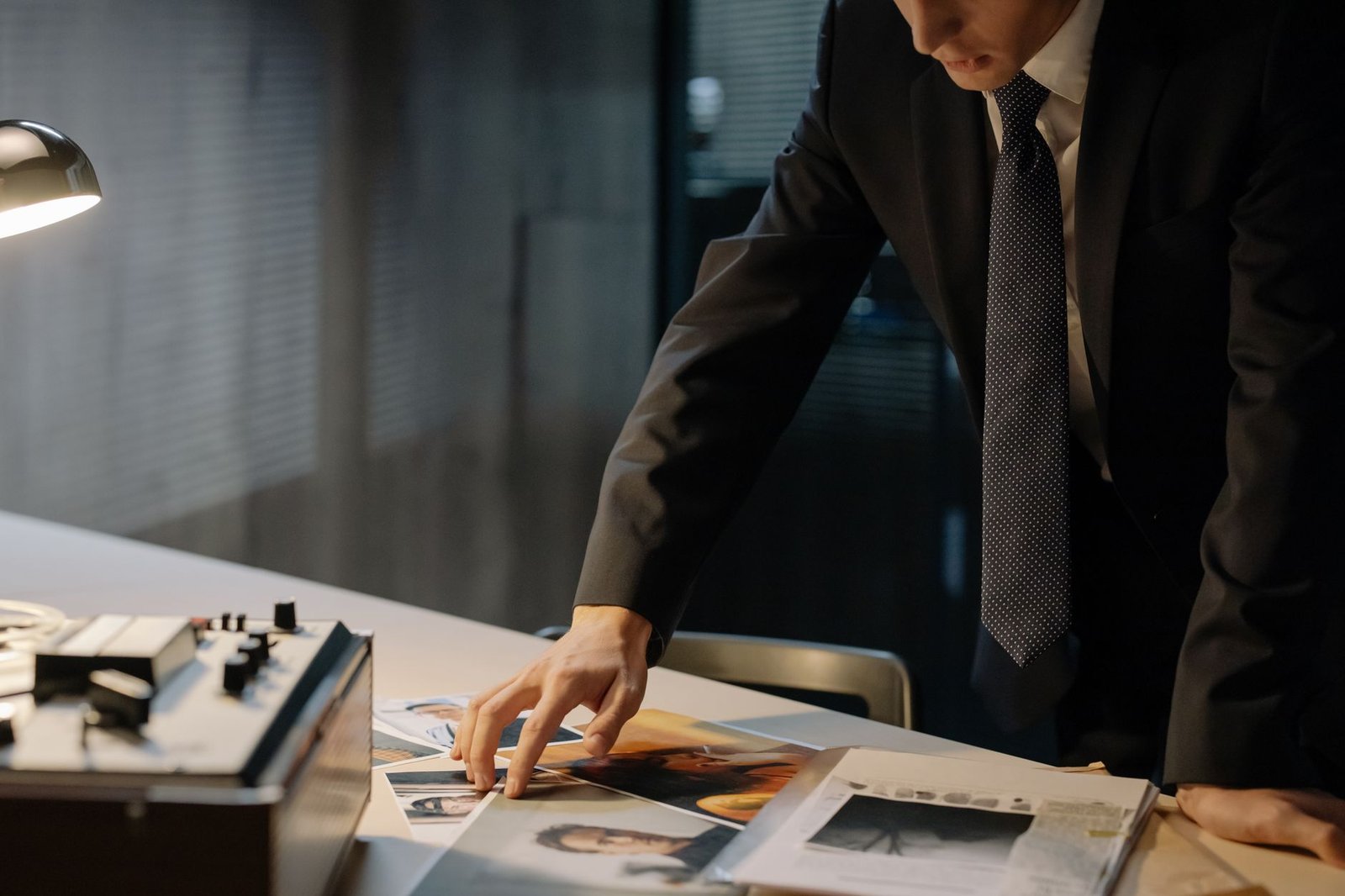
- AI-generated music is becoming more prevalent, leaving artists cautious.
- Musicians are motivated to unveil when AI is used without transparency.
- The debate over what is considered “real” music intensifies.
- Technology like AI reshapes how artists and audiences interact with music.
- Future of AI in music promises both challenges and incredible opportunities.
AI in Music: A Growing Phenomenon
With AI’s ability to create **music**, the sound landscape is evolving at an unprecedented pace. Today, **generative tools** are capable of producing melodies and vocals that sound remarkably human. These tools use complex algorithms—sets of rules or instructions for problem-solving by computers—to draw from existing music created by human artists.
The Blurred Lines
The digital deluge of AI-generated music has musicians asking, “Where do we draw the line between human creativity and machine output?” It’s particularly pressing in genres like electronic dance music, where technological manipulation is already an integral part of the creative process.
Consider this: AI tools are much like skilled impressionists. They can mimic famous artists’ styles convincingly, but the magic of human touch and the moments of spontaneous creation cannot be entirely captured by code.
Unmasking the AI Creators
Some content creators willingly acknowledge their use of AI in music production. However, there’s a rising trend where others disguise or deny their computational assistance. When unraveling the authenticity behind a track, musicians are now playing the role of **detectives**, analyzing compositions to differentiate synthetic elements from human inputs.
Techniques Musicians Use
Musicians have developed several strategies to discern authentic music from its AI-generated counterparts. **Pattern recognition** is a key skill; artists notice repetitive patterns and overly predictable transitions that may highlight non-human creation. Also, musicians are exploring the databases of known AI-generated works to compare and contrast.
The Debate: AI vs. Human Creation
As this technological shift unfolds, a crucial debate surfaces: what does it mean for music to be “real”? Purists argue for a human-centric approach, emphasizing that authentic art stems from human emotion and imperfection, not algorithms.
On the flip side, proponents of AI-generated music celebrate the innovation and new possibilities that technology introduces. They argue that AI can serve as a tool for inspiration and collaboration, pushing the boundaries of what music can be.
Analogy: The Painter’s Brush
Think of AI like a new type of paintbrush. Traditional brushes require skill and an artist’s touch. Similarly, AI is a tool that, when used creatively, can produce stunning art. But the challenge lies in ensuring that the integrity of the artist remains visible in the end product.
Looking to the Future
As AI continues to intertwine with artistic fields, the potential for creativity and innovation expands. However, this potential must be coupled with discussions on ownership, transparency, and ethics. The future of music lies not in eliminating AI, but in harnessing it to complement human artistry, thereby transforming both how we create and how we listen.
AI is reshaping the art world in unprecedented ways, prompting both excitement and caution about the musical frontier ahead.
