



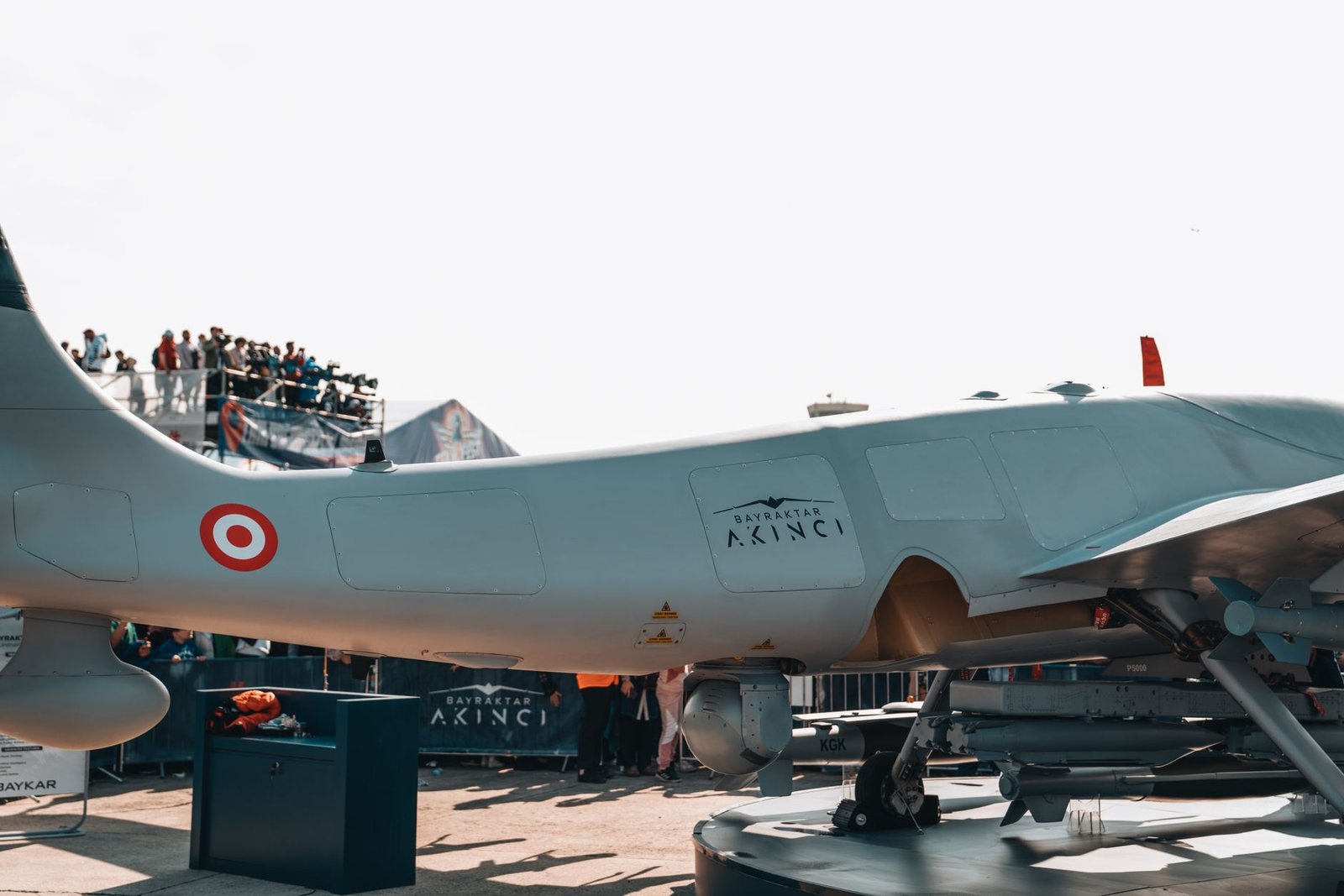
Imagine a scenario where an entire brigade of armored vehicles can be easily overpowered by drones—this is not a sci-fi movie plot, but a reality demonstrated in a recent military exercise. As drones soar to new heights in strategic importance, their role reshapes the very landscape of warfare.
Key Takeaways
- Modern drone warfare is evolving rapidly, impacting military strategies globally.
- Ukrainian drones showed their efficiency by “destroying” a complete brigade of US Army tanks in a simulation.
- The exercise highlighted both the prowess and vulnerabilities of existing military technologies.
- Resilience and adaptability are crucial in training as warfare technologies advance.
- The scenario underlines an urgent need for updated counter-drone measures.
Drone Warfare: A Game-Changer
This year’s Combined Resolve military exercise, held in Germany, illustrated a pivotal moment in drone technology application. Participating Ukrainian drone teams demonstrated how effectively unmanned aerial vehicles (UAVs) could dismantle complex armored systems. These drones employed strategies that mirror actual battlefield tactics used in Ukraine—such as dropping ordnance from above or executing kamikaze-style maneuvers to incapacitate vehicles.
The Essence of Modern Conflict
In military jargon, the idea of getting “respawned” references a scenario often found in video games: players coming back after being eliminated. During the exercise, US soldiers absorbed this experience firsthand by seeing their virtual “deaths” and reentries into the simulation. This cyclical learning opportunity allowed them to adapt to the unforeseen challenges posed by the drones.
Advanced Learning through Simulation
The troops from Fort Hood, Texas, participating in the exercise, gained invaluable insights by facing these simulated drone attacks. As the frequency and prowess of UAVs rise, so does the urgency for developing efficacious countermeasures. Understanding the capabilities of drones isn’t merely about combat effectiveness—it’s about recognizing the new paradigm they’ve introduced to warfare.
The Broader Implications
What happens when warfare elements, traditionally strong and safeguarded, become vulnerable? This exercise serves as a wake-up call for military strategists worldwide. The ability of small UAVs to disrupt armored brigades speaks volumes about the lethality and efficiency of drones. A compelling analogy would be how chess, a game of predictable moves, changes when you introduce new dynamic pieces with uncertain capabilities.
Preparing for the Future
As we interpret these findings, it becomes evident that military tactics need a substantial rewrite to stay relevant. Every leap in technology prompts a leap in counter-strategy. It’s not just about building better drones or vehicles; it’s about fostering innovation that anticipates the next move—something AI significantly enhances through its predictive power.
The Role of AI in Shaping Warfare
Artificial intelligence plays a crucial role by improving **autonomous decision-making** and refining **targeting algorithms**. What sets AI apart is its ability to process vast amounts of data rapidly, increasing the effectiveness of drone deployment strategies. In this sense, AI is not merely a participant but an essential architect of future conflict scenarios.
It is clear from these exercises that we stand on the brink of a new era in military engagements—one where technology and quick adaptation determine dominance. Looking ahead, the integration of AI in war games and real-world strategies will continue to shape how nations defend themselves, innovate, and challenge adversaries in uncharted ways.
